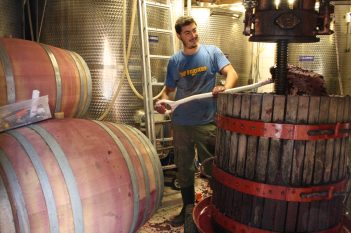
To pilot any company for over three centuries is an extraordinary feat. I am in awe of the history of Taylor’s Port which has navigated all the pitfalls of a turbulent history and independent, family ownership. To put it in perspective, in Israel we have Zion Winery, our oldest existing winery, which was founded by the Shor family in 1848. There, after 177 years, the owner, the senior management and the winemaker are still from the family. Carmel, the historic winery of Israel, was founded in 1882 and while it was a cooperative, its shareholders were largely the same families for five generations.
In my own career I have witnessed the sadness of famous old businesses not surviving the vagaries of time. Bass Charrington was one example. Bass was founded in 1777 in Burton on Trent and Charrington in 1757 at Mile End, London; Two breweries, with such history and longevity. Bass owned Hedges & Butler a wine and spirit shipper founded in 1667 with cellars under Regent Street. Though there is still a Bass Ale and H&B Whisky, in essence the three companies no longer exist in the form that made them famous. So, one should not take survival for granted. Seagram the drinks giant founded by the Bronfmans, the Jewish family, did not last beyond the third generation.
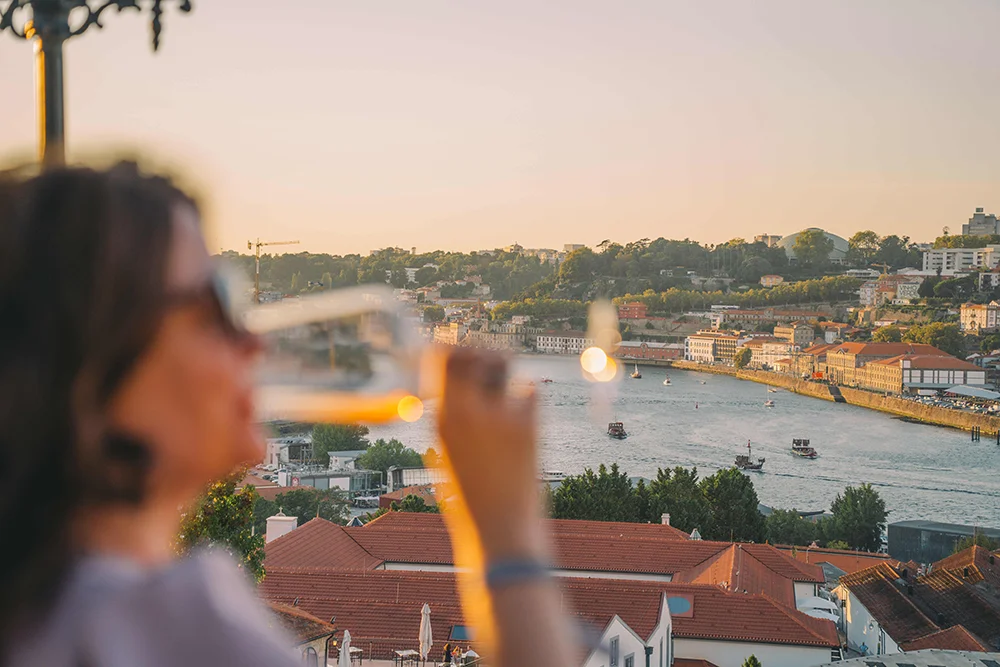
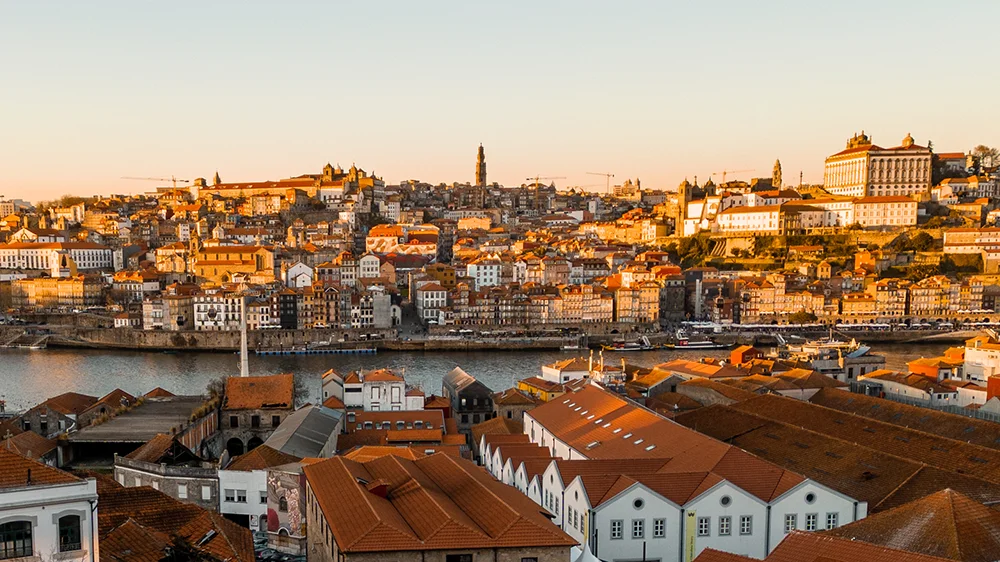
Taylor’s Port has lasted for 333 years, remained independent and is still family owned. Now the owners have to decide how to navigate the future and it is not simple. Port is declining in its traditional markets and there is less interest in sweet, fortified dessert wines as a category. However, the product is still unique, undoubtedly one of the great wines of the world and no doubt it comes from a magical place, the Upper Douro; one of the most beautiful and unique wine regions in the world. The wines are matured in cask or large vats and blended in Vila Nova de Gaia. This is where the Port Lodges are situated, with their names painted in large white letters on the sloping rooves so they can be seen from Porto on the other side of the river. This is better described as being where all the wine warehouses and storage facilities are situated. From there Port is exported worldwide. The Port Lodges are a stone’s throw or rather a very easy bridge walk, from the city of Porto (which is called Oporto by the British.) The views of the Port Lodges from Porto and of Porto from the Port Lodges are iconic and classic postcard fodder. (That is if anyone remembers what a postcard was!) Maybe selfie views, is more contemporary.
Three facts coincided. The UNESCO World Heritage city of Porto is swamped by tourists, Vila Nova de Gaia is awash with wine, and Adrian Bridge is a man of extraordinary vision and drive. He is the CEO of The Fladgate Partnership, owners of some great names of Port like Taylor, Fonseca and Croft. He is from the owning family and he is a force of nature. We all know that wines taste better where they are produced and visiting a winery brings about an intimacy and loyalty, like shaking hands with a politician used to be (that is when politicians were more honorable!) So, Bridge decided to reach deep into his imagination to bring the two together by introducing luxury, hospitality, culture, tourism and gastronomy to a place full of history and steeped in wine, but only the visionary would see that an area of old warehouses could be transformed as though he was in front of a canvas with paintbrush in hand. Now we can look back in hindsight and see how wise it was, but fifteen years ago, only a seer would have seen it.
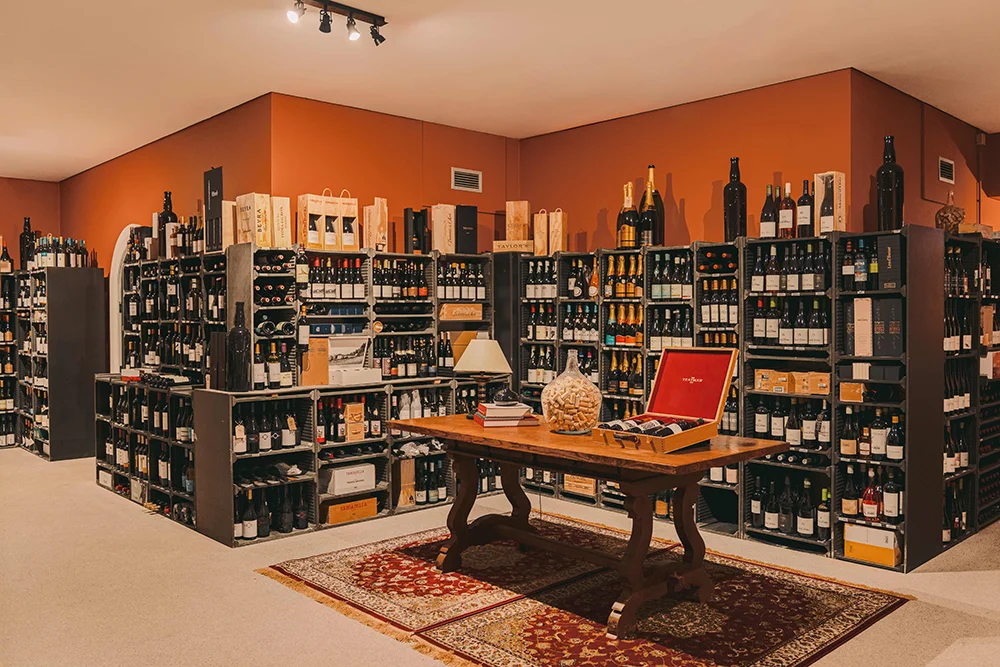
First, he built a luxury hotel called The Yeatman. It is on a hill above the Port Lodges on the south bank of the river. The full company name of Taylor’s Port is Taylor, Fladgate and Yeatman, honoring the family names, which have steered Taylor so successfully over the years. This is a wine hotel par excellence. Bridge could have been satisfied building a hotel themed on wine, but no, instead he reached to the skies and built one of the great wine hotels in the world with a dream view from their decanter shaped swimming pool of the Douro River and the city of Porto. To build a quality place is one thing, but to introduce and maintain the standards is another task altogether. This hotel provides super luxury accommodation; a Two Star Michelin Restaurant and different wine experiences cleverly geared to each food and beverage outlet. The hotel has a mission which is to advance Portuguese wine. Each room is sponsored by important wineries from all the wine regions of Portugal, and the hotel showcases a country of enormous variety of both wines and vineyard regions. The hotel holds frequent wine events, wine tastings, master-classes and winemakers’ dinners. There is even a wine school on site. The wine cellar has 30,000 bottles and they offer the most comprehensive list of Portuguese wines in the world. Of course, the hotel is virtually submerged in port wine, so it offers a rare and exclusive selection of ports from all the famous houses. The classic regions of Europe and most exciting wines of the New World are also featured. The building, gardens and internal design exude style, luxury and good taste. The Yeatman, opened in 2010, has at a stroke, changed the image of the surrounding area. Already it is considered the finest quality hotel in the wider Porto area. “Build and they will come” is a slogan of visionaries. This was certainly true of the hotel, but it is even more appropriate with Adrian Bridge’s next initiative.
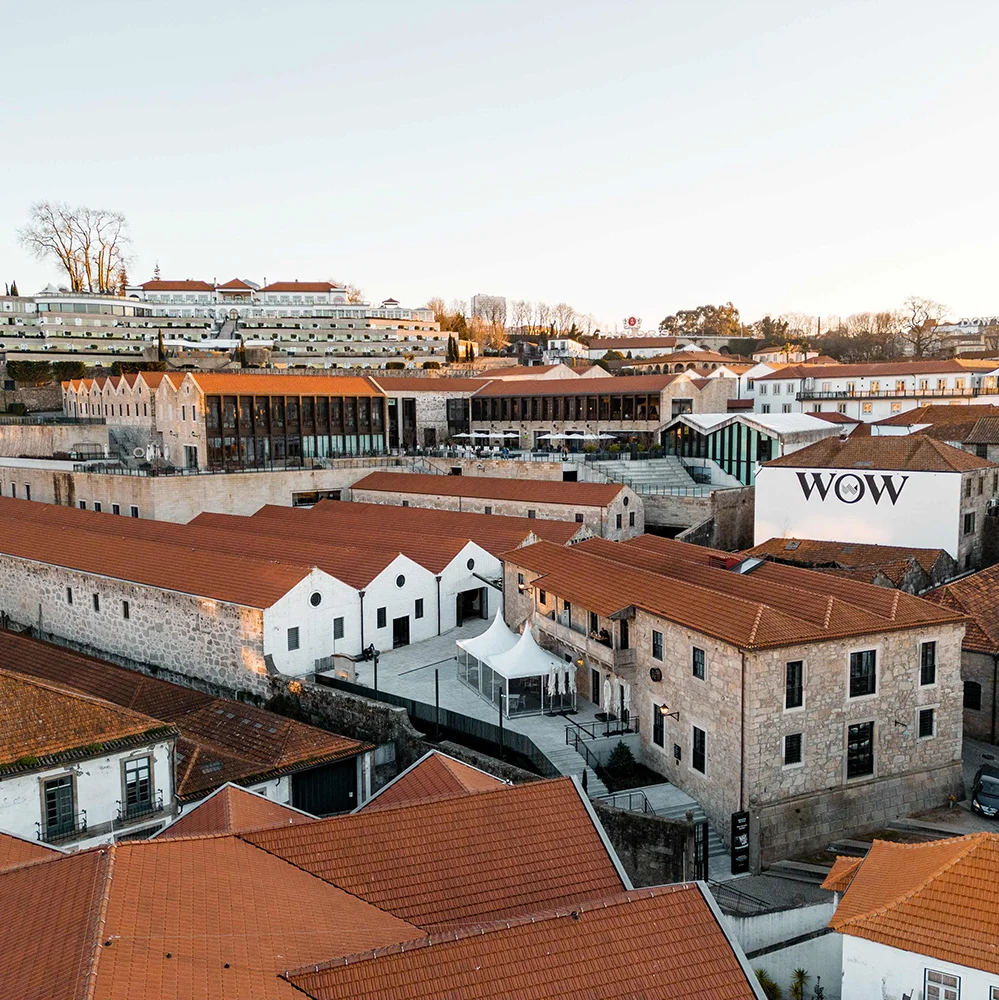
In 2000, with the horrible luck of opening during Covid, Bridge opened a new cultural district in refurbished and preserved wine cellars under the broad heading of World of Wine. It is known and marketed as WOW, and it really is a big wow! The complex includes seven museums, twelve restaurants, bars, shops, a wine school and a gallery for temporary exhibitions. I visited three of them: The Wine Experience, Planet Cork and The Art of Drinking. The Wine Experience is an interactive modern museum, explaining wine from vine to wine. Interesting to those curious and wanting to learn, it is also fun and enjoyable for wine professionals. I particularly liked the large-scale grape, broken down into its different parts hanging from the ceiling, and the fun series of original paintings exploring and explaining the character of the different grape varieties. On the first floor is an amazing exhibition illustrating the different wine regions of Portugal delving into style, architecture, design, cuisine and character. It is imaginatively conceived and brilliantly implemented. It does not need to focus only on port and the Douro, because of course the area is surrounded by the visitors’ centers of all the famous Port Lodges.
Planet Cork emphasizes how cork is so important for the wine industry and explains how it is used. Of course, Portugal leads the world in the production of corks and though most of the cork trees are grown in the Alentejo region, the industry is in the Porto area. It is also fascinating to see how extensive the use of cork is beyond wine. The replica of a giant cork tree in the middle of the exhibit seemed to create the most interest.
The Art of Drinking was the most amazing exhibition. This is the personal collection of Adrian Bridge. It contains rare and priceless pieces. There are over 2,000 cups, glasses or drinking receptacles on display from 9,000 years ago until the present day, covering the history of drinking in different countries and cultures. It is so extensive, that we were pleased to have an arranged tour from one of the curators, who was passionate, incredibly knowledgeable and well equipped to share her enthusiasm and explain the wonder of the highlights. I did not see any Kiddush Cups in the exhibition, but it seems to cover every other possibility. It is a wonderful exhibition, which is both rare and unique. It is an astonishing collection.
The other exhibitions are a history of Porto across the ages, which is all encompassing. Of course, it not just the city of Port, it is also relatively close to a number of Portugal’s most important regions. So, it is a perfect base for wine tourism. There is the Chocolate Experience, for chocoholics. Chocolate of course goes very well with port. Most relaxed and informal is the Pink Palace, an exhibition designed to be fun and interactive about rose wines. This is popular with the younger crowd and there are many selfie opportunities. A swimming pool of pink balls is the main attraction.
The Atkinson Museum is a historic building built in 1760. It hosts revolving art exhibitions. In short, there is something for everyone, young or old, wine professionals or amateurs and tourists wanting to learn about the region. Any tourist would find something of interest. Each exhibition has its own shop on the theme of the exhibition and there are tastings and samples at each stop. The standard and depth of each exhibition reaches high levels and these are not old, style fuddy-duddy museums, but they are modern in style with opportunities for immersion, interaction and personal involvement. In addition to this, there is a WOW Wine School with training rooms, tasting rooms and a kitchen. There are courses and workshops, and for those that want a qualification, they offer WSET courses.
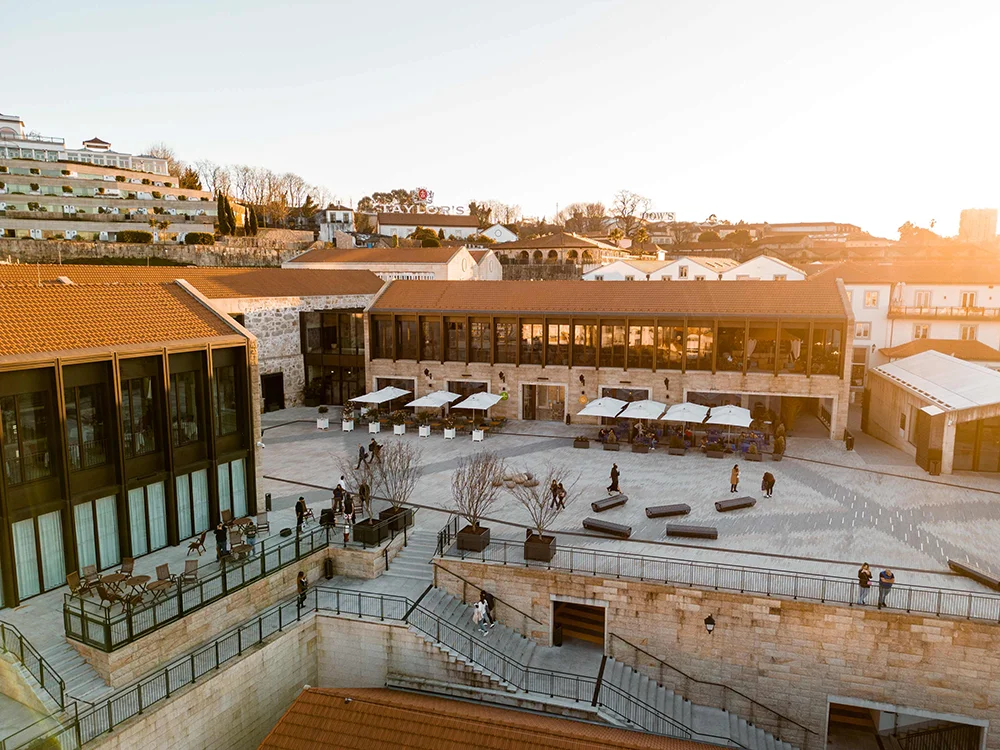
The attractive open-air plaza overlooks the Douro River and the classic Porto skyline. Then there are all the restaurants including fine dining and more casual fayre. There is a steak restaurant (1828), fish restaurant (The Golden Catch) and one offering Portuguese food (T&C – meaning Typically Portuguese.) For those who want an all-hours brunch, they are catered for too (Root&Vine). There is even a restaurant for young families (PIP) offering pizza and pasta. For casual meetings, there is also a café and wine & cocktail bar (Angel’s Share). When we were there, the area was throbbing with tourists, locals and it appeared to be a meeting place for youngsters. Of course, only a walk away, is the famous Baroa Fladgate Restaurant at the Taylor’s Visitors’ Center. To summarize, you won’t go hungry if you visit the WOW complex or Port Lodges.
The most impressive wine museum I have seen up to now, was La Cité du Vin in Bordeaux, but that was built from scratch in a derelict area. Here they took the route to plant this exciting new cultural area in the midst of historical old buildings, which one would think would be impossible to incorporate without destroying the integrity and authenticity of the place. We all know the dangers and difficulties of refurbishing old buildings. Well, they have carried it off with style and panache. The Fladgate Partnership is now heavily invested in tourism and hospitality. For them it is a new business, but it is also a stroke of genius which will advance port, Portuguese wine and Porto. As for Taylor’s Port, it is a very subtle, indirect way to introduce a new generation to port. It seems the company has made some important steps to keep port alive as the company navigates its fourth century. The complex is of the highest standard. A must visit destination. Suddenly, there is so much more to see when you visit the absorbing city of Porto.
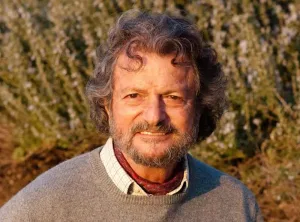
Adam Montefiore is a wine trade veteran and winery insider turned wine writer, who has advanced Israeli wines over four decades. He is referred to as the English voice of Israeli wine and is the Wine Writer for the Jerusalem Post. www.adammontefiore.com