






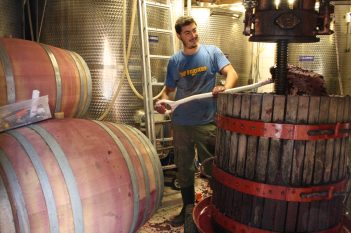
I have been in Israel for 36 years. In the UK I was the Jew, but here I am the Brit. Something to do with the accent which I would still have even if I lived here 100 years. Time does not assuage the longing for some things I left behind in Britain. The list won’t surprise other Brits. They include Tetley’s tea, Coleman’s mustard, Branston pickle, Chivers marmalade and something most people outside the sceptered isle, can never understand, Marmite. I would have to add mature cheddar cheese and ripe stilton to the list. If I delve further I would include cricket at Lords and Real Ale (aka cask conditioned ale) in a British pub. Delving into the wine trade, which is the bubble I live in, I so much miss the easy availability of Port, Sherry and Madeira, which I love.
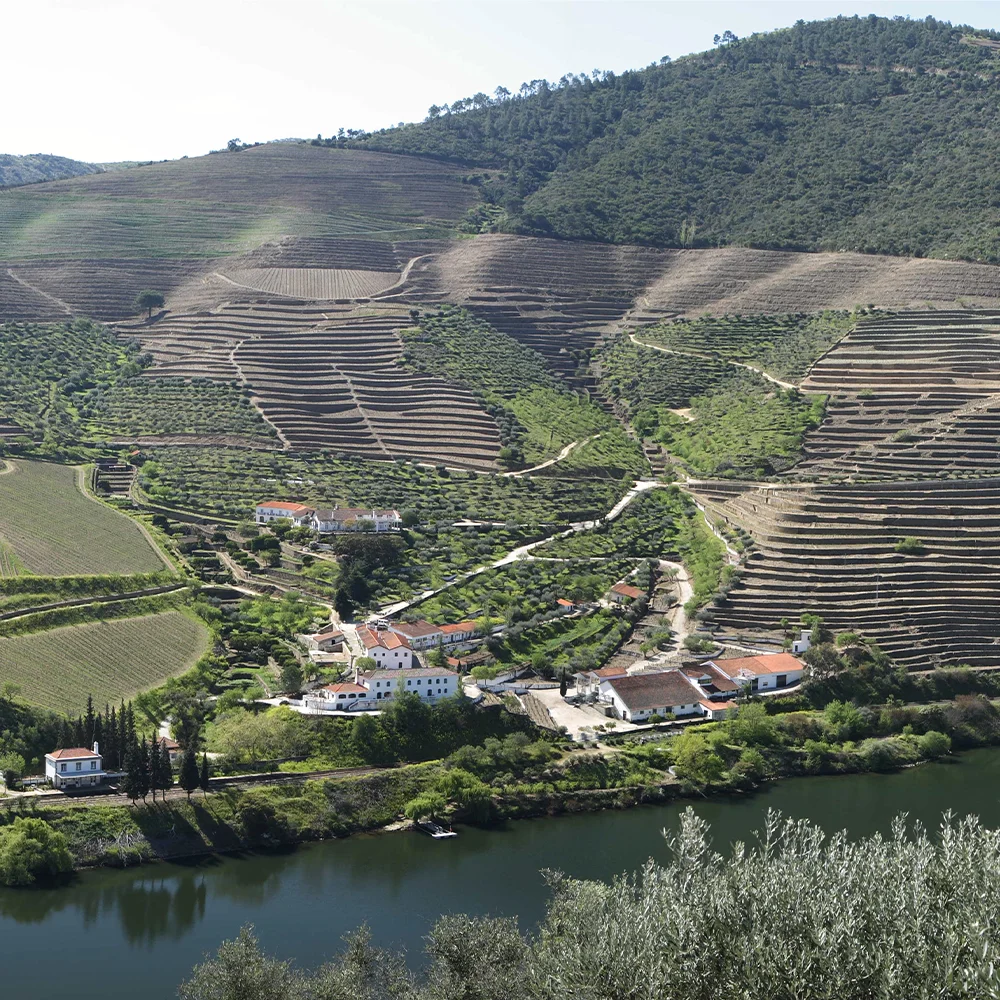
We recently went to Portugal for the Gourmand Awards, the Oscars for food and wine books. My books were nominees in three categories and it was a big surprise when I won two of them. I was walking on air. Fortunately we had left a day before the skies closed because of the Israel-Iran war. Getting back was more challenging, but I can think of many worse places to be stranded in than Portugal. A wonderful country! A side benefit of this visit was that we visited the Douro, where I had been before, and also Porto, for the first time. This is the city that gives its name to the world’s most famous fortified wine, Port. The grapes are grown on steep slopes on schist soils in the Upper Douro Valley of northeast Portugal, a wine region of breathtaking beauty. It also has a long history. The first shipments of a wine called port date back to 1678. In 1756 the Douro became the first wine region anywhere to be demarcated by law.
I first came across Port during my early days in the drinks industry with Bass Charrington. They were the largest owner of pubs (public houses) in the UK. I remember “port and lemon” was a popular staple of regulars of a certain age. This was a Ruby Port served on ice, topped up with lemonade. Furthermore if you were ill, the standard knee jerk recommendation of the amateur doctors in pubs was for a Port and Brandy. One of the more palatable old wives remedies! Samuel Johnson was quoted as saying: “Claret is the liquor for boys, port for men; but he who aspires to be a hero must drink brandy.”
My son David had a very generous godmother who laid down a bottle of vintage port at Berry Brothers, every year on his birthday until he was 21 years old. She was not to know he would end up in the wine trade with a WSET Diploma. He was kind enough to share them with his old man. I had two experiences with 30 year old vintage ports worth relating. The first was when we opened a Warre’s 1977. The wine was a revelation. We opened and decanted it into my grandfather’s cut glass crystal decanter before the meal intending to drink it after dinner. We could not resist a quick taste. However it was so fresh, balanced and tasty and that we simply continued to drink it throughout the meal. As happens with good wine, one glass follows another without thinking. It matched the food, was not too sweet and cloying and was a revelation. By the time of the pudding course, with stilton suitably at the ready, there was none left.
The second one was a Taylor’s 1980. We opened this and it was tight and closed, but still with a coiled fist of potential. Had we committed fratricide on a 30 year old bottle by drinking it too young? This underlined for me the outstanding aging potential of this wine. The difference between the Port and lemon and a thirty year old vintage port explained the enormous variety and broad possibilities of this famous wine so steeped in history.
My distinguished forebear, Sir Moses Montefiore, the English philanthropist and forerunner of Zionism, drank a bottle of port every day and lived to his 101st year. An astonishing age in those days! Just before he died, he asked for some port and was able to enjoy three glasses before he slipped away. He lived from 1784-1885. In this era port became the drink of English gentlemen. What port did Montefiore drink? I have no idea. It would be nice to think it was port made by two famous port houses with family names hinting at possible crypto Jewish roots such as Fonseca or Ferreira. Or it could have been from a British company like Taylor, who were around long before Moses Montefiore was born and are still going strong after 333 years. I was fortunate to be able to visit them during my sojourn in Portugal. Taylor is an island of England in Portugal. It has deep English roots, is family owned and has remained independent all these centuries. Their ports are the benchmark for the whole sector.
Taylor is quite simply the premier cru of the Port world. The Chateau Lafite of Port if you like. It was founded in 1692. Their story echoes the history of Portugal, and is a lasting symbol of Portuguese and British cooperation that began in 1703 with the Methuen Treaty. They have experienced ebbs and flows of port’s fortune and witnessed a most turbulent history including wars, invasions, dictatorships and revolutions. When the multi nationals swept in to swoop up many of their brethren, Taylor’s stayed aloof and independent, focused only on making the best port possible.
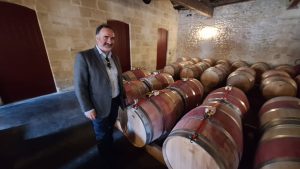
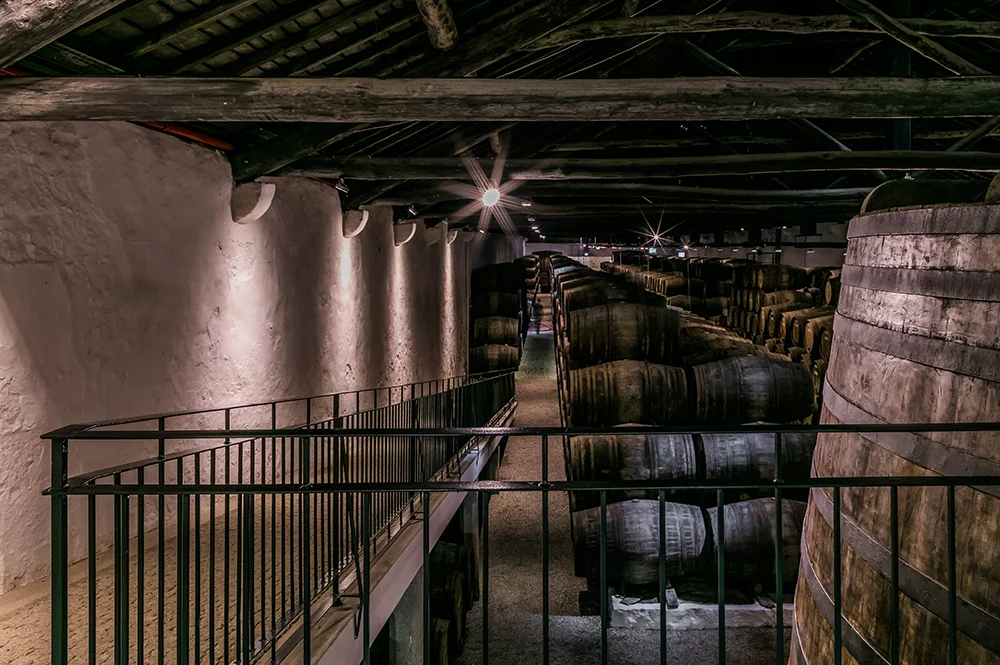
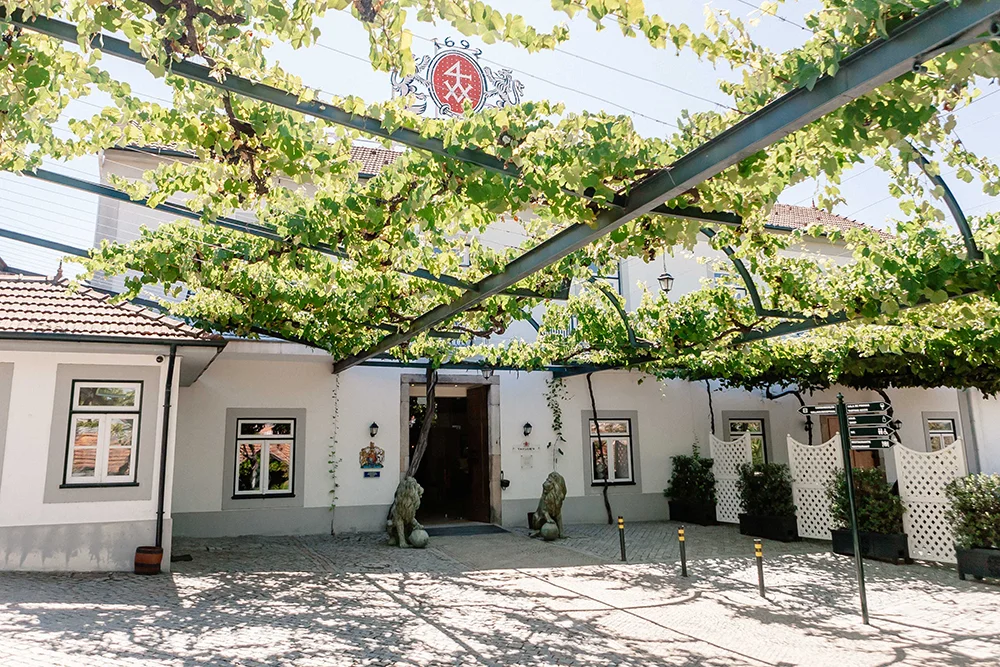
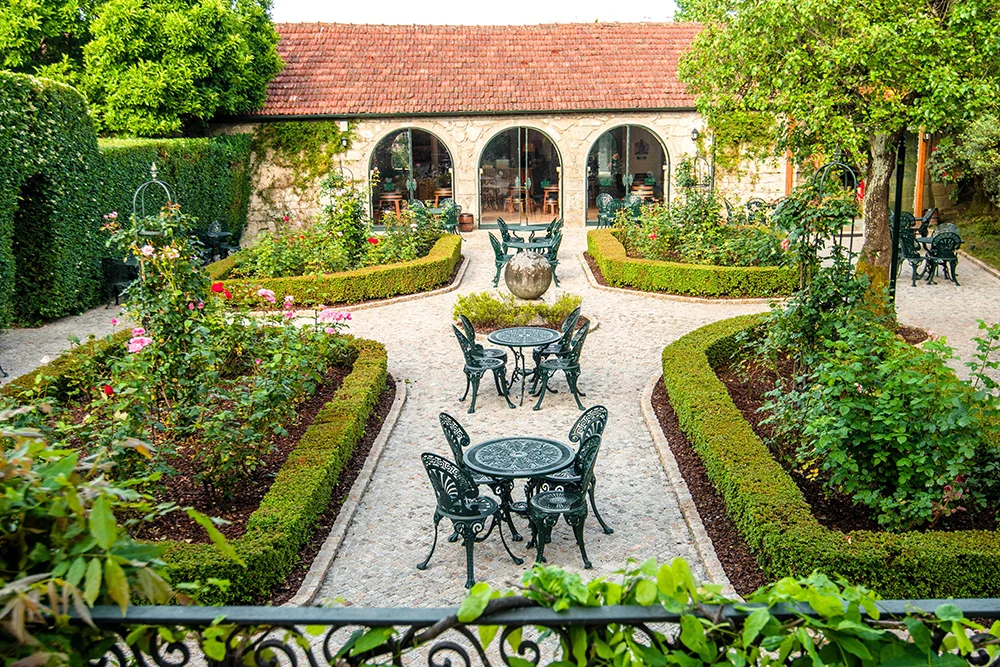
The full name of the company is Taylor, Fladgate and Yeatman, but it is known as The Fladgate Partnership. They also have Fonseca and Croft in their stable. The Taylor’s Lodge in Vila Nova de Gaia is an experience not to be missed. It exudes quality and authenticity, but in a homey, languid, laid back sort of way. The tours and tastings are educational and there is a mini museum telling the story with style and all the detail you would want. It reeks of history, and it is quite a jolt to find something as modern as a selfie spot amongst the sleeping casks and barrels.
Taylor’s has always been a pioneer. In 1934 they were the first to market a dry white port. It remains until today and is called Taylor’s Chip Dry Port. It is drunk as an aperitif or as a long drink with tonic added. In the 1970s Taylor’s were the first to produce a Late Bottled Vintage. LBV was a commercial savior to many port houses providing a ready to drink offering at the midway point between Ruby and Vintage Port. They have a larger than most inventory of aged Tawny Ports and at the top of the tree are their Vintage Ports, which over centuries have created the quality standard for the industry. The group was also the first to produce a port rose, known as Croft Pink.
Most ports fall into two categories. There are primarily wood aged ports and bottle aged ports. The base is Ruby, which is fruit forward and full bodied or Tawny, which is rich and mellow. The names give the clue to the color of these respective ports. The grapes come from the Upper Douro, with its steep slopes, unforgiving soils, baking hot summers and harsh winters. Not an easy place to grow the fruit of the vine. The fruit is traditionally treaded by foot in large granite basins called largares. Then the fermenting wine is fortified by grape spirit which stops the wine fermenting dry. This gives port its sweetness and alcohol content, between 18-20%. The wines are aged in Port Lodges at Vila Nova de Gaia, overlooking Porto.
Ruby Port is aged for 2-3 years in large vats. It is fruity, easy drinking, designed to be drunk young. If you want a long drink, try adding soda instead of the lemonade preferred by our grandparents. Most port houses have a reserve or proprietary brand which is an upgrade in quality from basic Ruby, but it is still designed to be drunk young. LBV Port is aged for 4-6 years in large vats, has a vintage year on the label, but may be opened young without decanting.
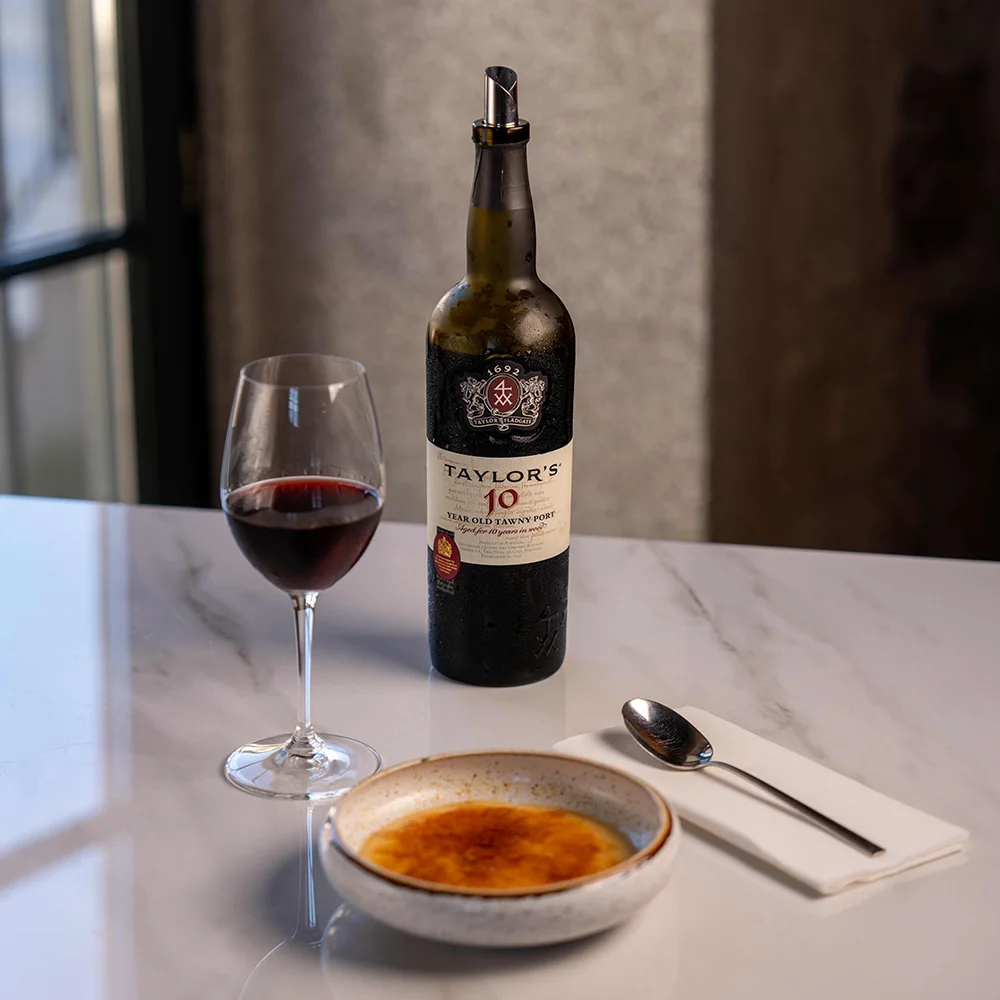
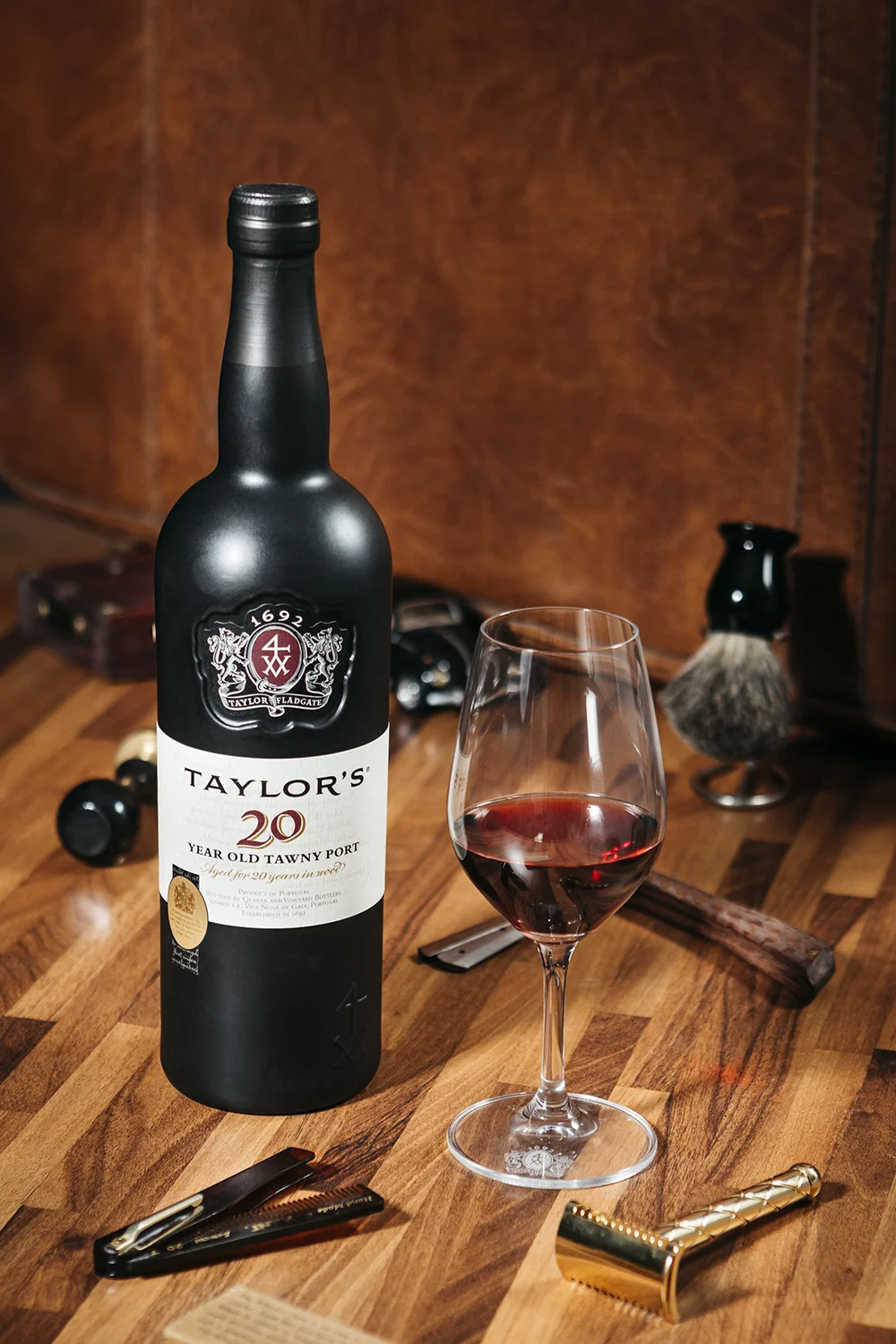
The Tawny Ports begin with a basic wine that is aged in cask for at least two years. The better expressions will stay there. They then may be found with age statements of 10, 20, 30 and 40 years old. The wines are tawny in color with a rich nuttiness and flavors of caramel, dried fruits and vanilla. A Colheita is a single harvest tawny, aged for a minimum of seven years in cask.
The crème de la crème is Vintage Port. These are only released in the finest vintages, sometimes only three times in a decade. A Vintage Port is aged in vats for only 2 years and then aged in bottle for as long as you like. It requires decanting and may be enjoyed for up to forty years or more. A great vintage port is sublime, but they also have a freshness and fruitiness that can be beguiling even if opened young. A Single Quinta Vintage will come from one property, of which the Quinta de Vargellas is considered the most classic.
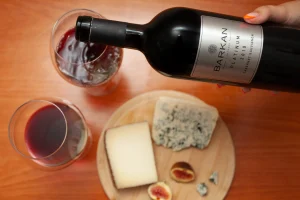
Port should not be served at room temperature. The Ruby family should be served with a faint chill on them. Tawnies should be served cold, they will soon warm up in the glass. Ports are wines for sipping not slurping. You need time to savor the elixir. It is not quick fix alcohol, or wine to quaff. These are contemplation wines, which match with blue cheese, chocolate desserts, or best of all, they should be enjoyed slowly after dinner. As for White or Rose Port, they should be served very cold. These lend themselves to cocktails. Here the so called ‘port-tonic’ is par for the course. These are good aperitifs. A port glass has similarities to the sherry copita or the ISO Tasting Glasses that wineries used in the visitors’ centers in the nineties. If not, a white wine glass will suffice.
The first port I saw in Israel was Sandeman, but that was because at the time they were owned by Seagram, then a Jewish owned company. There was no market as such. It was simply sold alongside Chivas Regal and Sabra. The first attempt to market port seriously was by Shaked, our number one wine importer. In the 1990s they imported the Graham’s Ports, owned by the Symingtons. Graham has Scottish roots. Symington Family Estates is the largest vineyard owner and biggest player in port sector. However port is not a big seller in Israel. Unfortunately Jews develop a fixed preconceived idea of sweet red wines, after receiving a lifetime of abuse from Kiddush wines and it is not complimentary. After being weaned on the likes of Palwin, Kedem and Manishchevitz, they want to avoid anything that reminds them of sacramental wines. Like a Brit Mila, it has a bad connotation and brings back bad memories. I have heard more than once people lament that port is a glorified Kiddush wine. Unfortunately they are missing the point and could not be more wrong. Anyway, the basic Tawny port is the biggest seller here. For the Jewish market, primarily based in New York, Paris, London and Tel Aviv, there was a kosher expression once produced called Porto Cordovera. Now there is another called Alma do Mar, also imported by Shaked. It is a basic Ruby Port giving the kosher clientele the opportunity for an introduction to port.
Portwine is so classic, has been around so long and every wine lover should visit the region if possible. The Fladgate Partnership is a symbol of stability over centuries, and Taylor’s Lodge is a kind of port heaven.
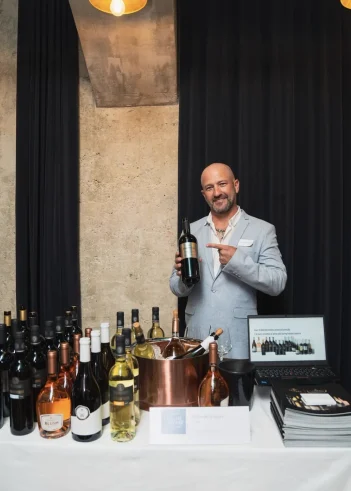
Adam Montefore is a wine trade veteran and winery insider turned wine writer, who has advanced Israeli wines for 38 years. He is referred to as the English voice of Israeli wine and is the Wine Writer for the Jerusalem Post. www.adammontefiore.com