


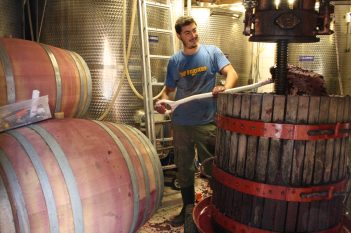
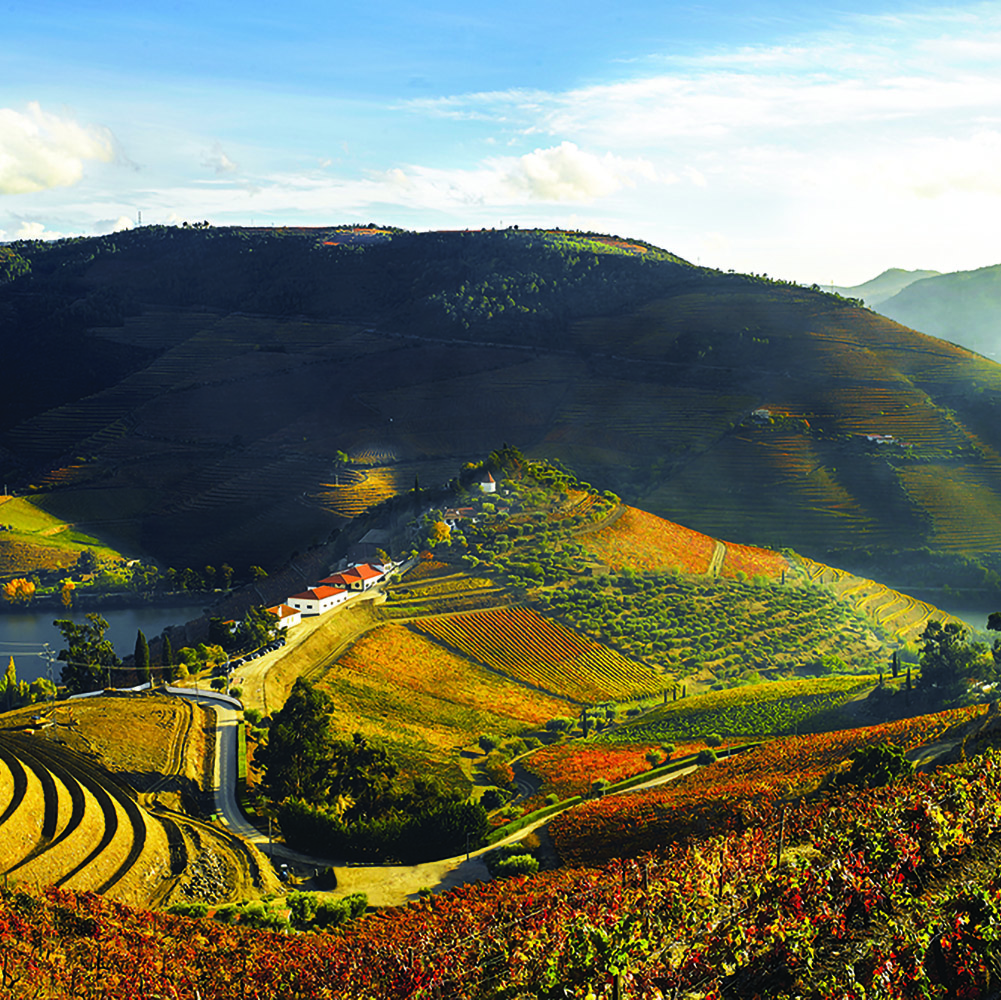
I have written in the past that Portugal is the next big thing in wine countries. I still believe this today. It is a country with many different and unique wine regions, their own indigenous grape varieties and wines to satisfy all tastes. Prices are also very reasonable. The problem is that so much good wine is made in Europe, demand if anything is dropping and it is hard for the Portuguese to muscle their way onto the stage. However, if there was ever a country that merits exploring for the wine lover, it is this one.
My baptism on Portuguese wines came in the 1980s. Then the group I worked for were agents for Mateus Rose, one of the most successful brands in the world and Aveleda, the largest producer in the Minho Region. Mateus peddled frizzante rose with sweet notes and Aveleda, Vinho Verde, light off dry wines with a light spritz. Both were incredibly popular, but this was before the quality wine revolution. Of course, most associated Portugal with Port Wine. We used to market Warre’s, which was established in 1670, and remains the oldest British Port company in Portugal. They built their Port Lodge in Vila Nova de Gaia back in the 18th century. Our working brand was Warre’s Warrior Reserve Ruby Port. This is oldest Port brand of all which dates from the 1750s. Mateus Rose though declined from its salad days, is still probably the largest selling Portuguese wine and it is produced by Sogrape, by far the largest wine producer. Aveleda is a giant winery showing the new variety of the Minho. The Vintage Ports of Warre’s, now owned by the Symington family, are still some of the best. Perhaps my most memorable port experience was with a Warre’s Vintage Port.
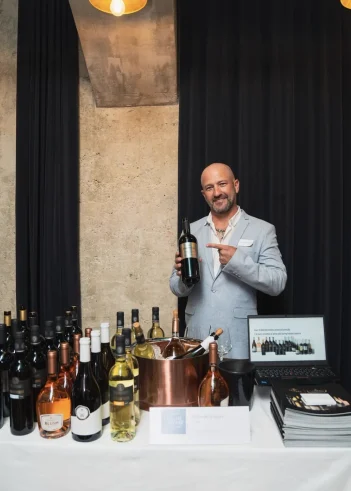
Just over twenty years ago, I was representing Carmel and Yatir Winery at the Enotria Annual Tasting at some posh venue in London. They are one of the leading importers and distributors in the UK. On the table to my right, was a Portuguese producer I had never heard of, called Quinta do Crasto. One of the benefits of tastings and exhibitions is the fun of meeting and schmoozing with new people and having the opportunity to taste wines, which one would not otherwise meet. The winery executives were so friendly and impressive, but it was their wines I remember. They just blew me away. The interesting thing was they were from the Douro Region, but they were producing table wines. That was new to me at the time. I determined I would visit them one day.
It has taken twenty years. In that time Portuguese wine has bloomed and blossomed, and previously underplayed regions have come to the fore. It is no longer a country just of Port and Mateus Rose! Furthermore, the Upper Douro is no longer a region of just the most famous sweet fortified red wine in the world. The first dry red from the Douro was the iconic Barca Velha first produced in 1952, but it was not until the 2000s that the floodgates opened.
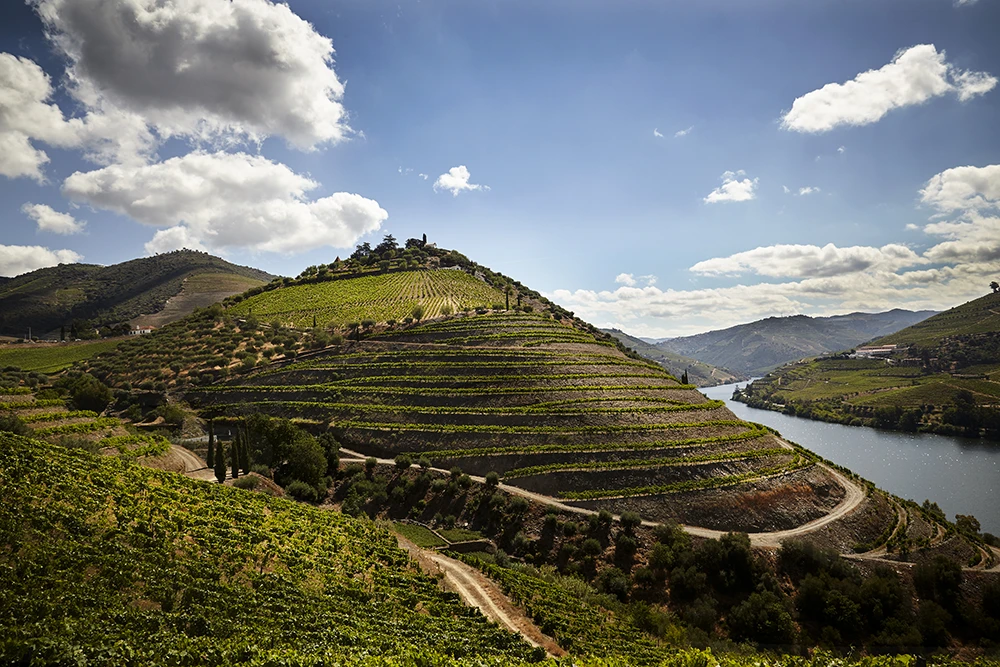
Quinta do Crasto started making table wines in 1994, then making one table wine only. In 2003, the Douro Boys was founded. This was a consortium of five wineries devoted to bringing table wines of the Douro to the fore. To put it in perspective, it was the same year I founded Handcrafted Wines of Israel, a consortium that included Castel, Flam, Margalit, Tzora and Yatir. Today the Douro Boys has four members. These are Quinta do Vallado, Nieport, Quinta do Vale Meao as well as Quinta do Crasto. It is similar to Judean Hills Quartet (Castel, Flam, Sphera and Tzora) in that it is devoted to advancing wines of a region. I visited Vallado a few years ago and was mightily impressed with their wines. At the time, we made a pit stop at the Pinhao Railway Station and I saw the picturesque azulejos blue tiles showing different scenes of vineyards and harvest. One clearly depicts Quinto do Crasto, perched on the back of a ridge like a camel’s hump. A few years later, I now had the opportunity to fulfill my 20 year old personal commitment to visit Quinta do Crasto. I was not disappointed.
I found myself again in the Douro Wine region, but this time driving along some sharp and windy roads, to find the winery I had vowed to visit so many years previously. Quinta do Crasto is located on the north side of the Douro River, between Regua and Pinhao. Eventually we saw the entrance sign and were quite relieved to find it. We had arrived. There are two revealing dates on the entrance gates. One is 1615, the earliest mention of Quinta do Crasto. The other is 1918, which was when the winery was bought by Constantino de Almeida. It is now run by his descendants, the Roquette family.
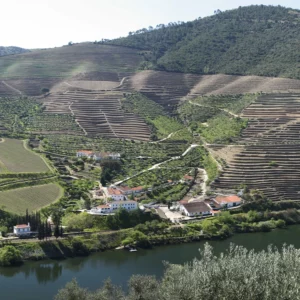
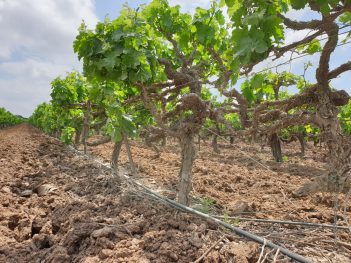
The winery and estate must be one of the most beautiful in the world. The buildings are built on a ridge that falls away on both sides to swirling vineyards filling the contours of the plunging slopes that fall to the inscrutable winding Douro River. The first stop is a visitor’s center, reception and shop. These lead to the winery buildings, which are us up to date as tomorrow, yet still with a nod to tradition and history. There is a space-age stainless steel tank room with a traditional wooden roof. The lagares, the ancient way of treading grapes in granite basins, are temperature controlled. Yet the place reeks of history. A granite post marks the first demarcation of the Douro as a wine region in 1756 by the Marquis de Pombal. Many of the surrounding vines are a hundred years old, some with man-made terraces with stone walls. As you climb the gentle slope of the hump back, you reach the private house. At the crest of the hump is a beautiful infinity swimming pool, which is strategically positioned to overlook the curve in the river. It is dreamland with a touch of the divine. Above everything is a small chapel.
The winery is a pioneer of wine tourism, but only in the most professional, stylish and authentic way possible. Visitors can choose from a number of unique wine experiences, including tastings, tours of the vineyards and boat trips on the Douro. They offer regional gastronomy, have suites that can be booked and all the time you are surrounded by a mosaic of some of the most beautiful vineyards in the world, all grown with different aspects in different ways. It forms a tapestry of beauty that is heaven made.
All this is before you taste the wines, which are divided into categories. Those called Crasto are entry level wines whose fruit comes from Castro and their sister property Cabreira in the Douro Superior region. Castro Superior wines are likely to come from Cabreira and if Quinta do Castro is on the label, they are estate wines from the vineyards surrounding the winery. The wines are imported to Israel by Hacarem, one of our leading importers, with their own impressive history in our terms. It is a family-owned company that was founded in 1921.
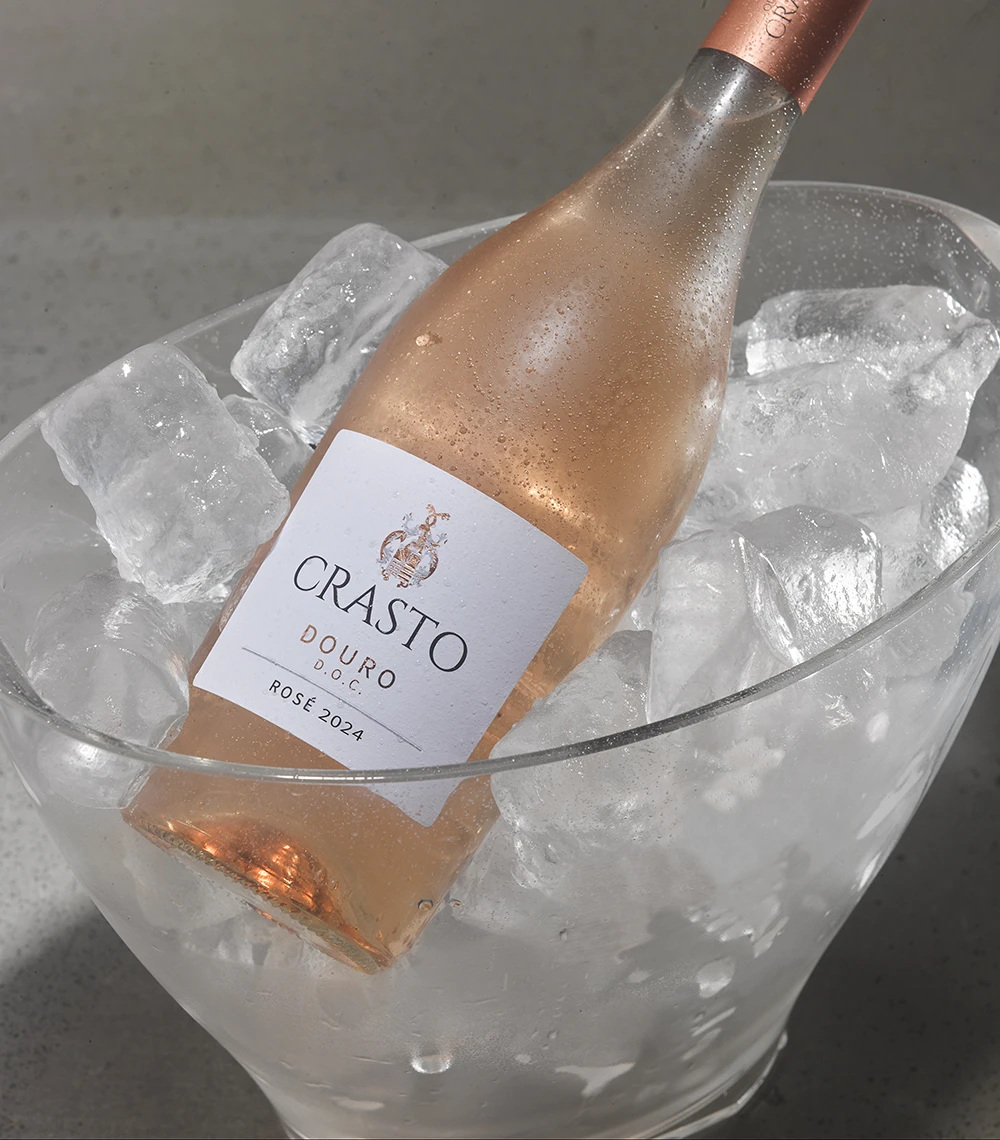
One fears that Douro wines will be big and bold and lack freshness and drinkability. The place can be baking hot in summer, and the Port wine developed here for a reason. How wrong can you be. Our welcome was with the Crasto Rose 2024, made from Touriga Nacional and Tinta Roriz (aka Tempranillo.) It was salmon pink, crisp, fresh with mineral notes; as delightful an aperitif as you could expect. This was followed by the Crasto Superieur White 2024. It was fragrant, with fresh citrus and floral aromas, an engaging texture and a clean refreshing finish. An engaging high quality white wine.
The Crasto Altitude 430 2021 comes unsurprisingly from vines at 430 meter altitude. The grapes are 70% Tinta Francesca, the most planted variety in the Douro, and 30% Touriga Nacional. Some of the vines are planted straight up and down the slope, others are in terraces of one row of vines on its own. The wine is a delight and a surprise. Fresh with red fruit and spice, the wine was medium bodied, refreshing with an elegant and very drinkable finish. It was one of my favorites of the tasting.
The best buy is the mid-priced Crasto Reserva 2022. Not a variety in sight. I love that about Portuguese wine. It is so often about the blend but the focus is on the wine not the varietal. Here we have a knee jerk reaction. We have to ask immediately for the variety and percentage. However this is a field blend, which means the different varieties are harvested and fermented together. The wine just hit the mark with color, fruit, depth and complexity and length all in sync together. It was elegant, velvety and showed good drinkability. By that I mean, you wanted another sip.
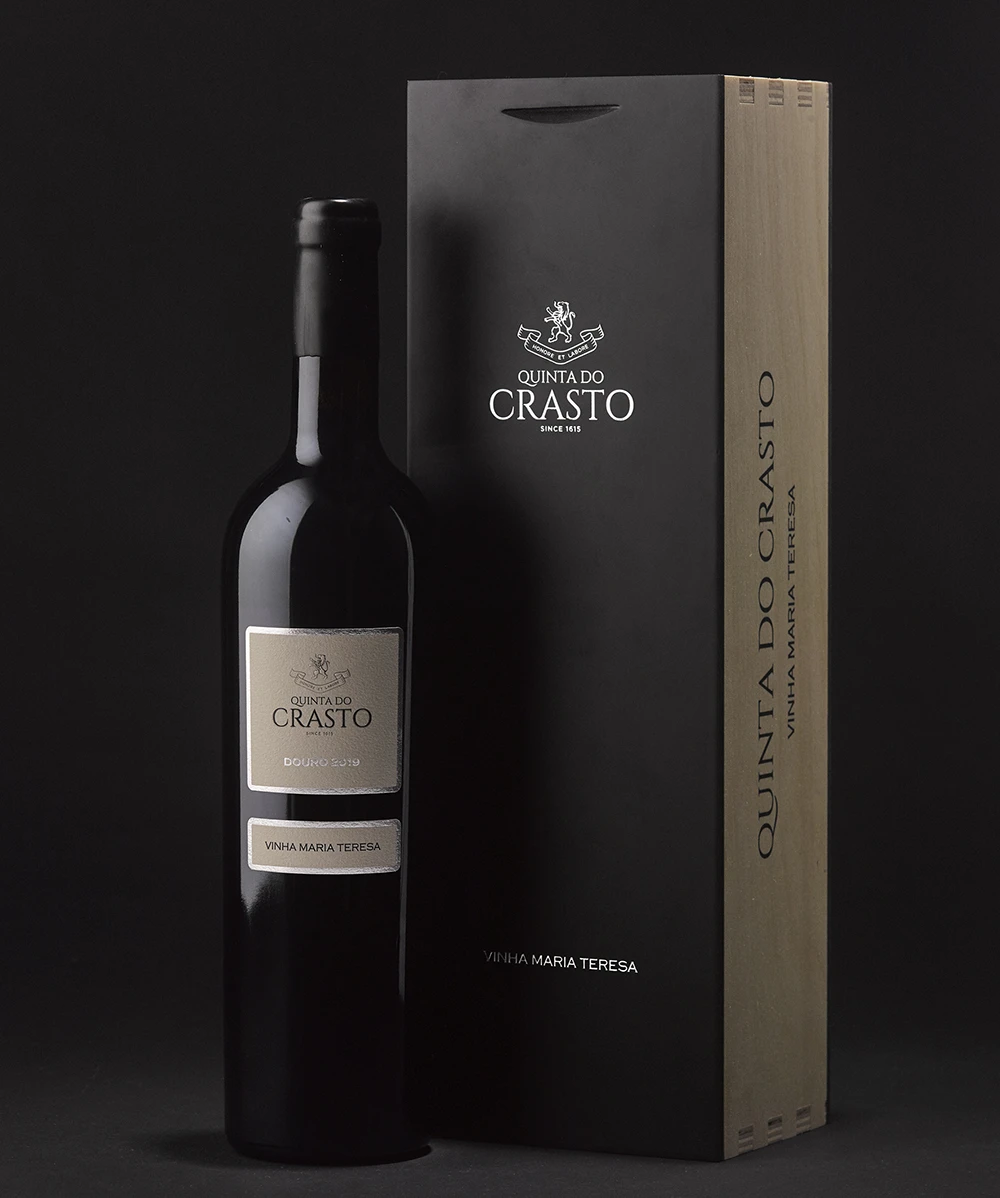
Varietals are not common in Portugal, but I liked the Touriga Nacional 2019 very much. This is Portugal’s most famous variety. The wine had deep berry fruit a whiff of violets and a well-placed structure, with some soft tannins. It was a wine you felt needed time. La piece de resistance is their flagship Vinha Maria Theresa 2019. The fruit comes from the old vineyard literally overlooked by the winery. This is a blend which is so Portuguese in character. Firstly, the vineyard is over 100 years old. The vines are laid out on ancient terraces. It is a field blend and the grape varieties are not mentioned on the label. In fact in recent years, they have studied the different varieties, and have identified 55 varieties in the vineyard! These include many known Portuguese varieties and some unknown. The list funnily enough includes Syrah, though no-one knows when it was planted. The grapes are brought directly to the winery a few meters away, where they are destemmed and trodden in a lagar (the stone troughs), as is traditional in Portugal) and then transferred to their temperature controlled stainless steel tanks. The wine is aged in new oak barrels, 90% French and 10% American. The wine simply has layer upon layer of aromas and complexity. It is supple and sublime with a vibrant freshness. It is a wine with status and a reputation. It is one of Portugal’s finest and it also illustrates the fulfilled potential of table wines from the Douro.
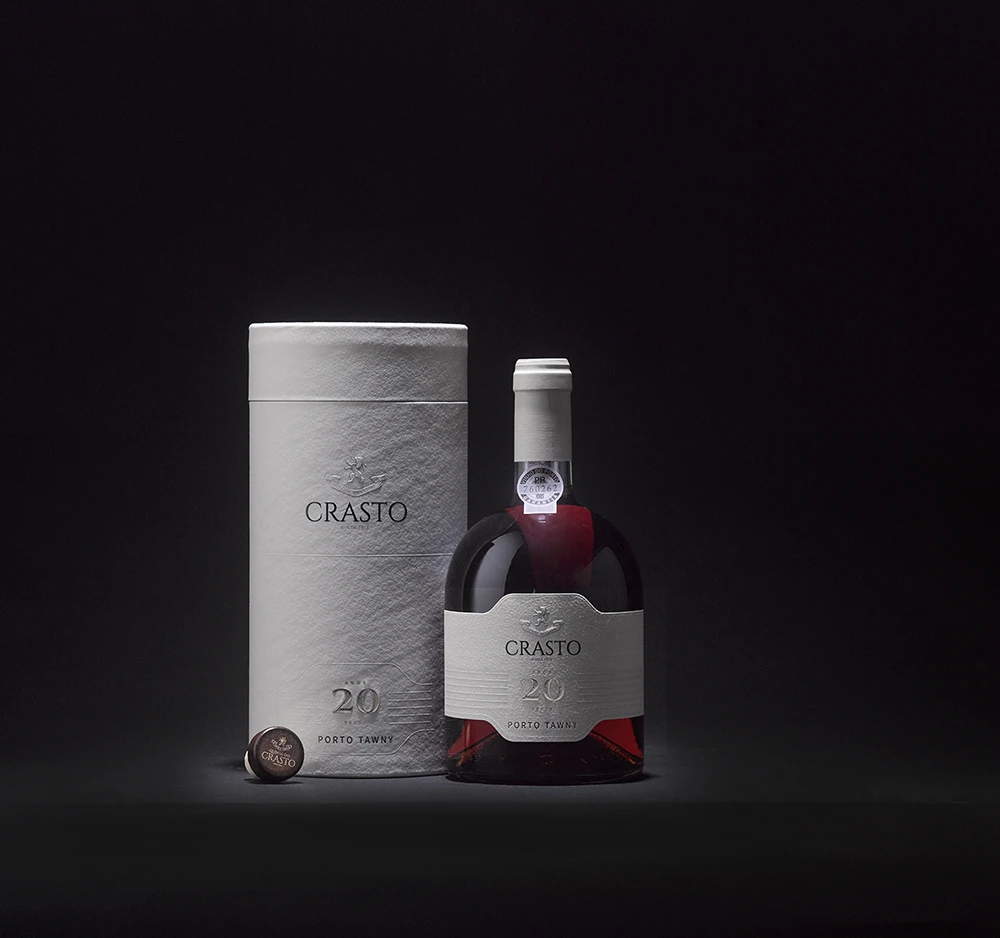
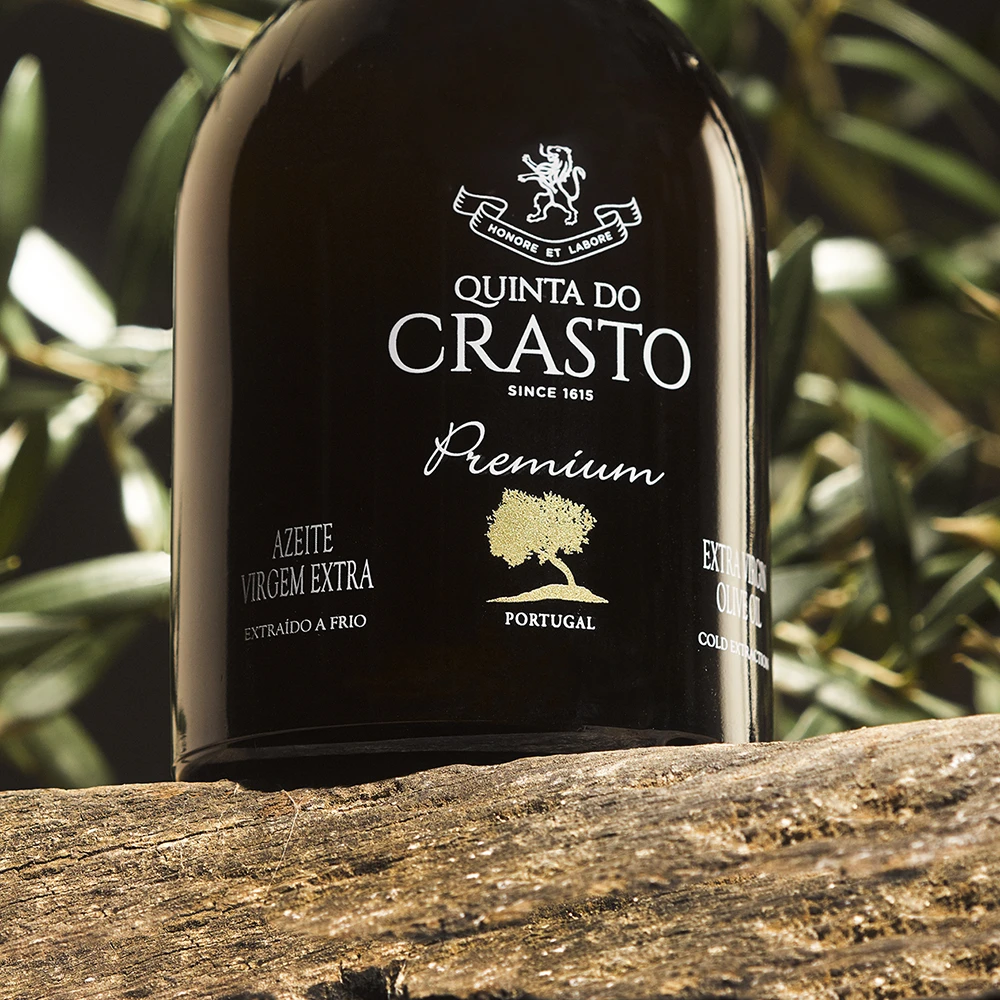
But that is not all in the wonderland estate. They also produce ports, though this is the small part of the production. Their 2015 Vintage Port was fruit forward and fresh and their 20 Year Old Tawny Port was nutty and enticing with dried fruit notes. Last but not least, they produce two beautifully fruity olive oils where the balance between fruit and bitterness is exactly right. These I valued as much of the wines.
I heartily recommend a visit to this little haven of heaven on earth. All the wonders of the Douro shine at this well run estate. The vines, wines, vineyards, and river, all wrapped up in a long history, make a symphony that is hard to beat.
Adam Montefiore is a wine trade veteran and winery insider turned wine writer, who has advanced Israeli wines for 38 years. He is referred to as the English voice of Israeli wine and is the Wine Writer of the Jerusalem Post. www.adammontefiore.com