





I was born and brought up in England and came to live in Israel. Not a great combination of countries for gastronomy wonks. These were once considered two of the worst possible countries for fine cuisine. English cooking was the butt of jokes, especially by supercilious Frenchmen, and Israel was not much better. Bernard Lewin of The Times of London once visited Israel and he despaired of finding somewhere half normal to eat as he searched for a restaurant. His witty riposte was: “Doesn’t anyone here have a Jewish mother?”
We were fairly food challenged in the old days. Do you remember when there was only a choice of white cheese, yellow cheese or salty cheese in Israeli supermarkets? Quality wines were few and far between. Big brands were Adom Atik and Carmel Hock. Olive oil was something one bought in a plastic soft drink bottle in local Arab villages. Bread was limited to a rather basic version of black bread. Fish, whatever it was, was called just that, ‘fish’ on a menu. Meat was invariably cooked ‘very well done’ with the result it had the texture of the sole of a shoe. Beer came from one brewery. We were in the dark ages, apart of course, from the Israeli breakfast, which was always revered.
The change for the better began in the 1980’s and crystalized in the 1990’s. In wine it was the Golan Heights Winery which brought about change, followed by the boutique winery boom. The changes and development in the production of bread, cheese and olive oil occurred at the same time. Fine dining arrived in Israel as Israelis travelled and experienced the dolce vita all over the world. They became eager customers and followers of new restaurants and innovative Israeli chefs. The new Israeli wanted to live to eat rather than eat to live.
Israeli chefs became celebrities, known by the general public. Cooking programs swamped the television channels. Israeli restaurants stopped trying to ape French cuisine, and instead a new Eastern Mediterranean Israeli fusion cuisine was developed, combining ideas and ingredients from North Africa, the Levant and Turkiye, with a heavy influence of the experimental cooking taking place in Jerusalem and Tel Aviv. Israel became a must visit destination for foodies. Whilst this was happening, London became the culinary center of the world. How things can change on a plate in half a lifetime.
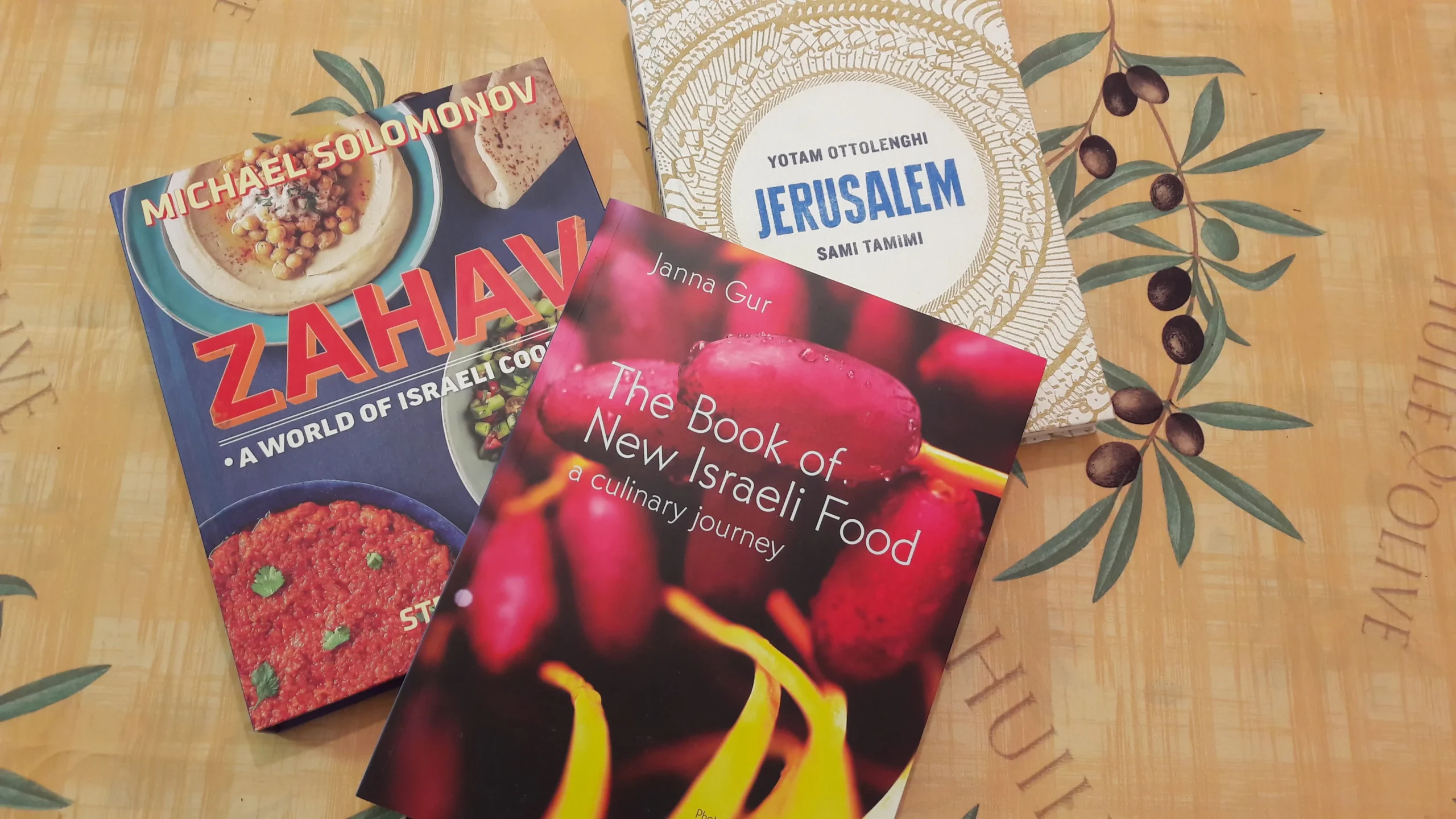
The next manifestation of the Israeli culinary revolution was the export of the Israeli chef who has become synonymous with chutzpa, creativity, energy, innovation and quality, not just in New York and the United States, but also in the capitals of Europe. Yotam Ottolenghi was the first to knock down doors and he was followed by others. Janna Gur’s “The Book of New Israeli Food” was the first book to document the new culinary story. Still a great read with recipes that work every time.
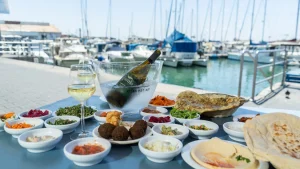
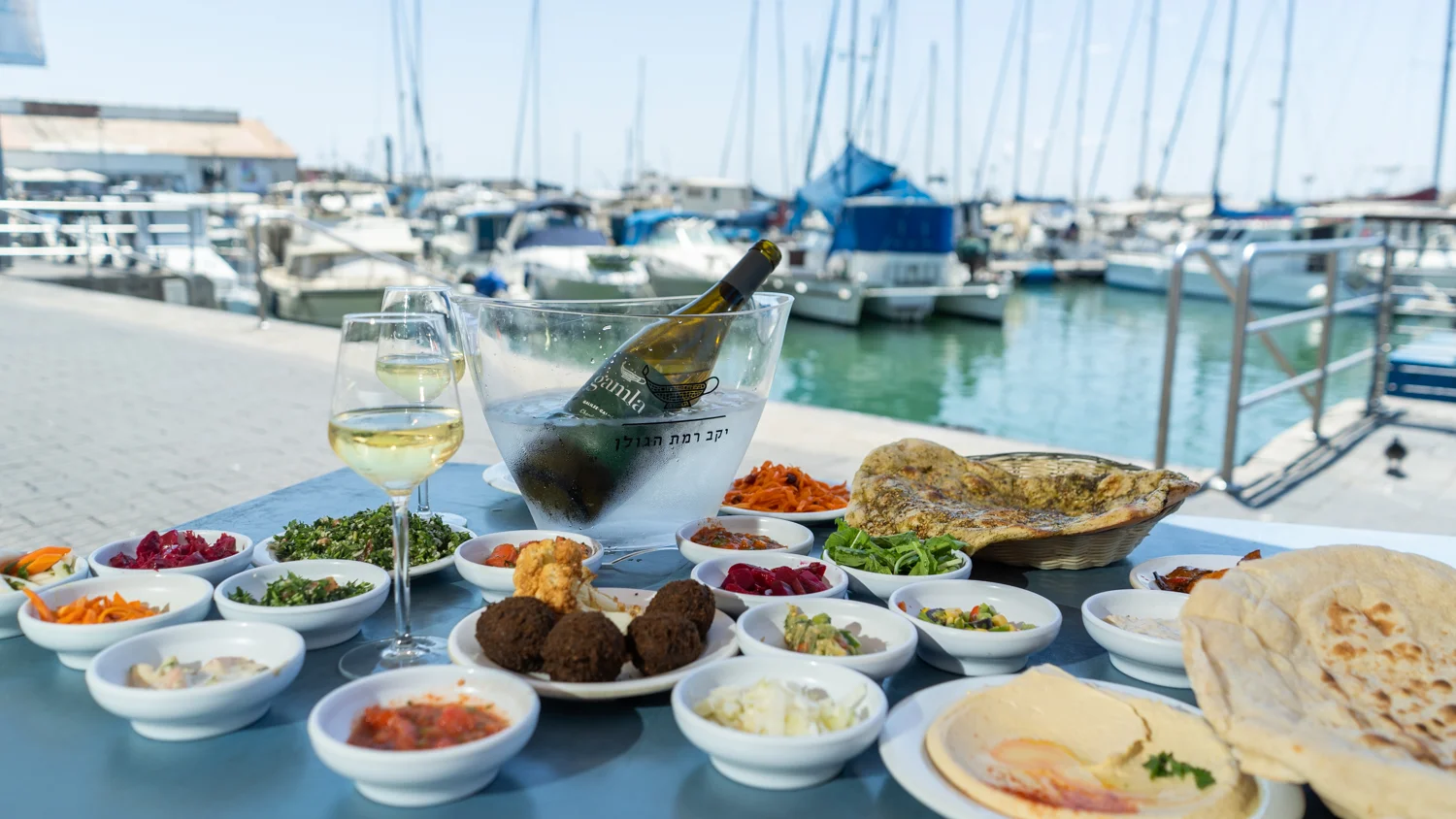
Israeli inspired restaurants sprang up in most capitals around the world. These days Israel is under siege and the mere mention of the name is a lightning rod for all the dregs of society. However, no doubt an Israeli, Levantine, Eastern Mediterranean restaurant would in normal times always be more authentic when accompanied by wines from Israel, along with other wines from the region. Wine is a bridge after all and should be above politics.
Whilst Bernard Lewin’s comment was intended to scorn Israeli cuisine, the core of his quote paid an enormous compliment to the Jewish mother and grandmother. What he knew then, is now more respected and cherished here. Home cooking and family roots in the kitchen is now finally receiving the credit it deserves. It is from there where many of the new chefs received their inspiration. Covid for some necessitated more home cooking and three years of on and off war has encouraged more eating at home…even though you would not know it if you try to book a restaurant in Tel Aviv!
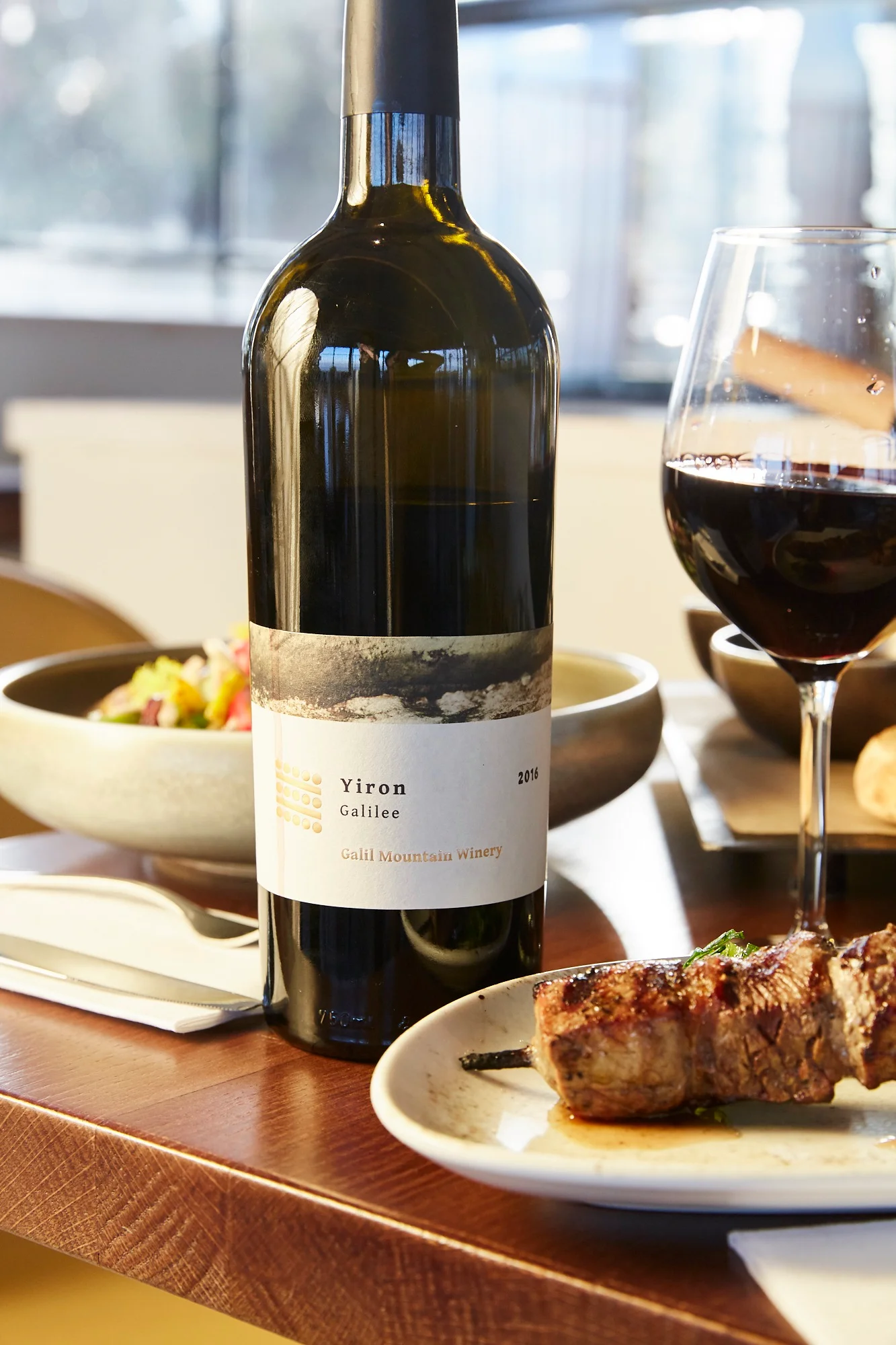
Wine is regularly used in the kitchen by professional chefs. It acts as a catalyst for flavor, in the same way that salt does. It tenderizes meat, adds both color and moisture, and increases the depth and length of flavor. The great French Chef Jacques Pepin has said: “Wine can bring as much pungent flavour to a recipe as a rich stock. Its acidity is similar to a tang of vinegar or citrus, only milder and less aggressive.” Cooking with wine is immortalised in dishes like Coq au Vin and Boeuf Bourguignon, where it has become part of the name. Cooking reduces the liquid, concentrates flavour and removes the alcohol. Wine can also be brought into your home cooking. Its uses are varied and wine may be used for flambéing, glazing, de-glazing, macerating, marinating meat, sautéing vegetables, poaching fish or making stock.
Wine is an ingredient like any other used for cooking. Most think of using the opened and forgotten wine for cooking. Or the unfinished bottle that no-one liked. Beware of this easy solution. You would not cook with poor ingredients, so don’t cook with bad wine or with sour left-overs. Indeed, any wine that you would not be prepared to drink should be discarded. Cooking concentrates a wine’s flavor, so a wine that is acidic, vinegary, mouldy or corky will only be worse when cooked. In the same way, positive features like sweetness and fruit aromas will be enhanced.
However, for those who boast about the wines they use in the kitchen, I would take their opinion with a pinch of salt! I advise that you never use an expensive wine in cooking. To do so, is extravagant and quite frankly, less than sensible. I would never use a Burgundy for either Coq au Vin or Boeuf Bourguignon, even though this is what the traditional recipes demand. Burgundy would be too expensive and I am not convinced that a Pinot Noir is the best cooking wine for either dish. In any case, once it is cooked, a wine loses its alcohol and changes its taste. A wine of great quality will not be apparent in the taste of the final dish. Believe me, no wine expert will taste a casserole and rave about the quality of the wine used. The wines will not even be recognizable, apart from perhaps sweet wines like Port or Madeira or very aromatic ones like Muscat or Gewurztraminer.
Big, fruity, spicy red wines, with not too much tannin, make the best cooking partners. Avoid wines that are too oaky, where the effect of aging in oak barrels is more dominant than the fruit. Wine is an important coloring agent, so you also need a wine with a deep, bold red color as opposed to a light, insipid young red. Wine also adds acidity to a dish. Think of a squeeze of lemon juice, but acidity in the cooking process can be magnified and become harsh, so white wines chosen should not have an acidity that is too pronounced.
Wine is perfect for a reduction or quick cooked sauce, prepared just before serving. For the most pronounced wine flavour, reduce the wine separately, then whisk it in your sauce. For a more integrated result, use the wine to degrease a sauté or roasting pan, heat it gently but be careful not to over-boil, so it does not taste flat. Including the bits stuck to the bottom of the pan, this will make a wonderful, impromptu sauce.
Wine is classic for marinades and is a wonderful tenderizer of meat. The iconic Chef Raymond Blanc, from Le Manoir à Quatre Saisons in England, recommends gently boiling off the alcohol and then letting the wine cool to about 40 ° C, before adding to the meat. He believes the exchange of flavours is better at this temperature. If too hot it will cook the food but if too cold, the wines flavours will not be transferred to the meat successfully. Raymond Blanc is one of my culinary heroes, who generously served as a judge at one of the first wine waiter competitions I organized in Britain. I remember him waxing lyrical, off the cuff, about the balance of wine and food. I was enchanted by his enthusiastic, poetic delivery, but eternally regret I did not record his words of wisdom.
Poaching can be done using wine as the liquid for both fish or chicken. Cooking fish in a microwave with a little white or sparkling wine, olive oil and a few Mediterranean herbs can be the easiest way to enjoy fresh fish, without it drying out. You can then use the liquid as the accompanying sauce. Wine may be also used for poaching fruit. Pears poached in red wine, is a well-known recipe.
For a more winey flavor, add the wine later on in the cooking process. If you want the flavors more integrated, then cook everything together. If you want to use wine for flaming food, it is recommended to warm the wine before igniting it.

The most pretentious thing to do at a dinner party is to cook with a wine that you later use to partner the meal. This may create good conversation, but again, remember the wine in the glass will bear little resemblance to the wine in the dish. If I chose to drink a high-quality Bordeaux style blend with a meal, I may use a more inexpensive Bordeaux blend in the casserole. I would certainly not use a so-called cooking wine, or the cheapest wine possible. Maybe I would use a quality wine, but balk at using an expensive one.
Simple practicality means we usually use left overs for cooking, or whatever we can find. If you have not finished a wine, replace the cork in the bottle as soon as possible. If the cork does not go in, simply turn it round and try again. Then put the bottle in a refrigerator. It will be fine for days. Even better is to pour the remains into a small plastic empty water bottle and squeeze out the air as you fill it. This will create a vacuum and your wine will last longer. The best tip is to boil your spare wine in a pan until the alcohol dissipates. Then put it in the plastic containers used for ice cubes, and put it in the freezer. It will freeze successfully without alcohol. Then you will have pre-prepared cubes of wine flavour, ready to use in cooking whenever you need it.
Don’t be concerned about cooking with wine for children or for those who don’t drink alcohol. The alcohol will disappear during the cooking process. Alcohol evaporates at a lower temperature than water.
The function of wine is to enhance and intensify flavour. It should not be overused, as is the case with all seasonings. Although wine in itself does not make a bad dish into a good one, wine is an ingredient, no less important than butter, flour, salt, pepper, eggs or olive oil. Its use provides extra options.
At a time when home cooking is undergoing a revival, there is nothing to stop you from using wine to add flavour and sophistication. Then of course you can sit and enjoy the results, and bask in the compliments, with a glass or three.
Adam Montefiore is a wine trade veteran and winery insider turned wine writer, who has advanced Israeli wines over four decades. He is referred to as the English voice of Israeli wine and is the Wine Writer of the Jerusalem Post. www.adammontefiore.com