






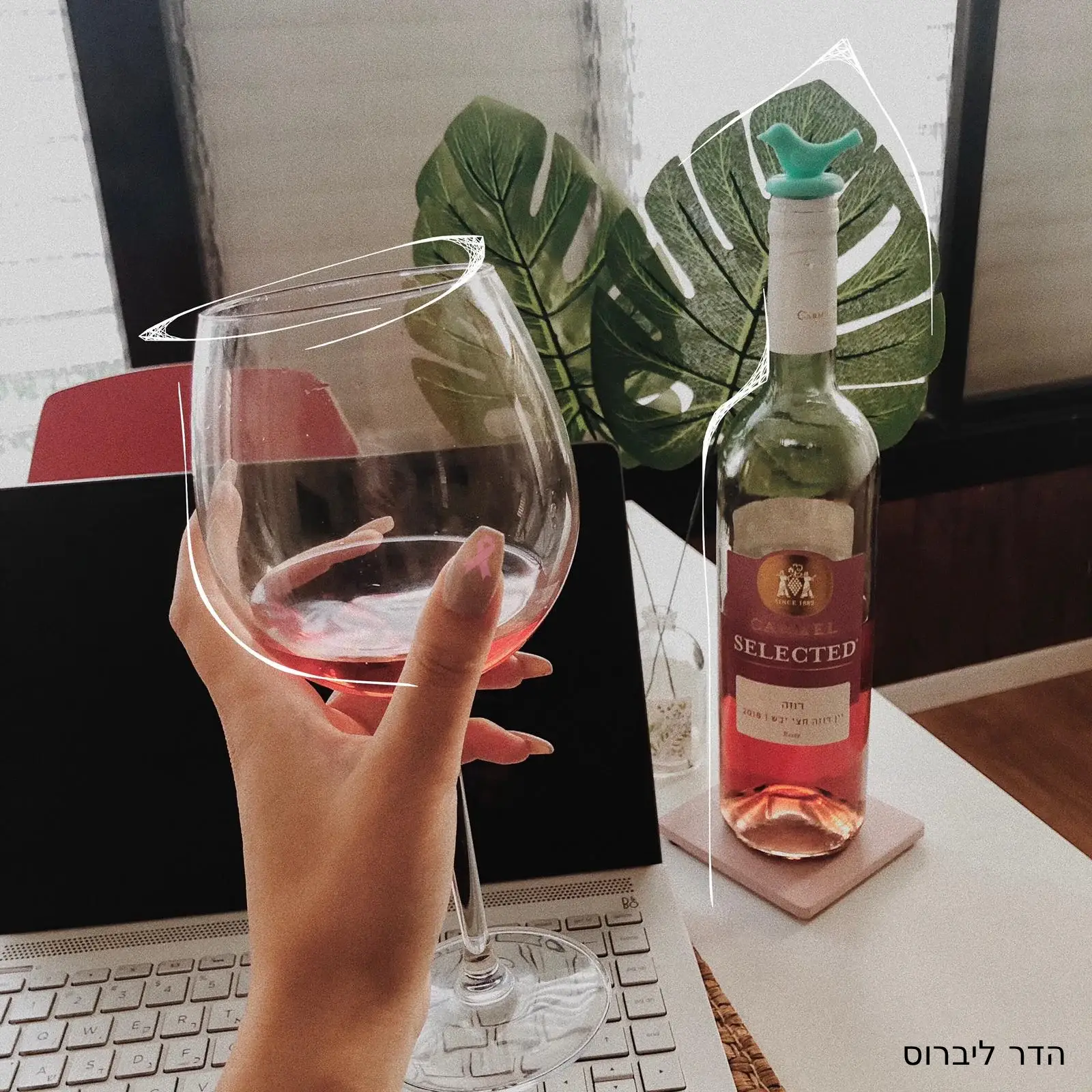
We are in our seventh year of pandemic or war. I am not sure whether we are in a continuation of the October 7th War, a repeat of the Second Iranian War or a never-ending sequel in the Third Lebanese War. Maybe it is a combination of all three. Covid was a peak time of domestic wine drinking at home. Unfortunately, with permanent ongoing wars, a blanket of anxiety has settled over the country. However, a glass of wine is recommended for a feeling of well-being. Drinking at home in moderation can be a pick-me-up and it can relax and soothe. I believe in the mantra: KEEP CALM, DRINK WINE AND CARRY ON!!
Shopping for wine terrifies many people, who are put off by the endless rows of wines in the average supermarket. Too much choice! However, don’t worry. Anyone who is capable of buying anything in a supermarket, is also more than capable of choosing a wine. It is just important to understand that you don’t have to be sophisticated or to understand wine. Just follow your gut instinct. You know what price you want to pay and maybe what brand you prefer. You have an idea whether you want red or white. So go for a brand or name you know, and a label you like. Unlike twenty years ago, there are no bad wines in a supermarket. Don’t feel you have to impress anyone. Choosing what you like, is always the best buy. For those reluctant to make a special journey to visit wine stores, there are plenty of online opportunities to buy from supermarkets, retailers and wineries.
Remember ninety five per cent of all wine sold worldwide, is under NIS 50 a bottle. There is no shame in buying lesser expensive wines. Don’t feel intimidated to buy a more expensive bottle than your budget can stand. It is ok to buy cheap. However, having said that, the fastest growing category, albeit from a smaller base, is that of wines in the NIS 50 to NIS 100 price range. Also wine lovers, wine critics and public tastings are more likely to focus on this price point, where quality, value and a wine story coincide.
In recent years there has been a crossover between supermarkets and wine stores. The supermarkets are today listing far more quality wines than ever before, so the choice for the consumer has never been better. There is an increasing selection of better quality, more expensive wines available. On the other hand, wine stores now usually have a range of wines, usually imports, at less expensive prices.
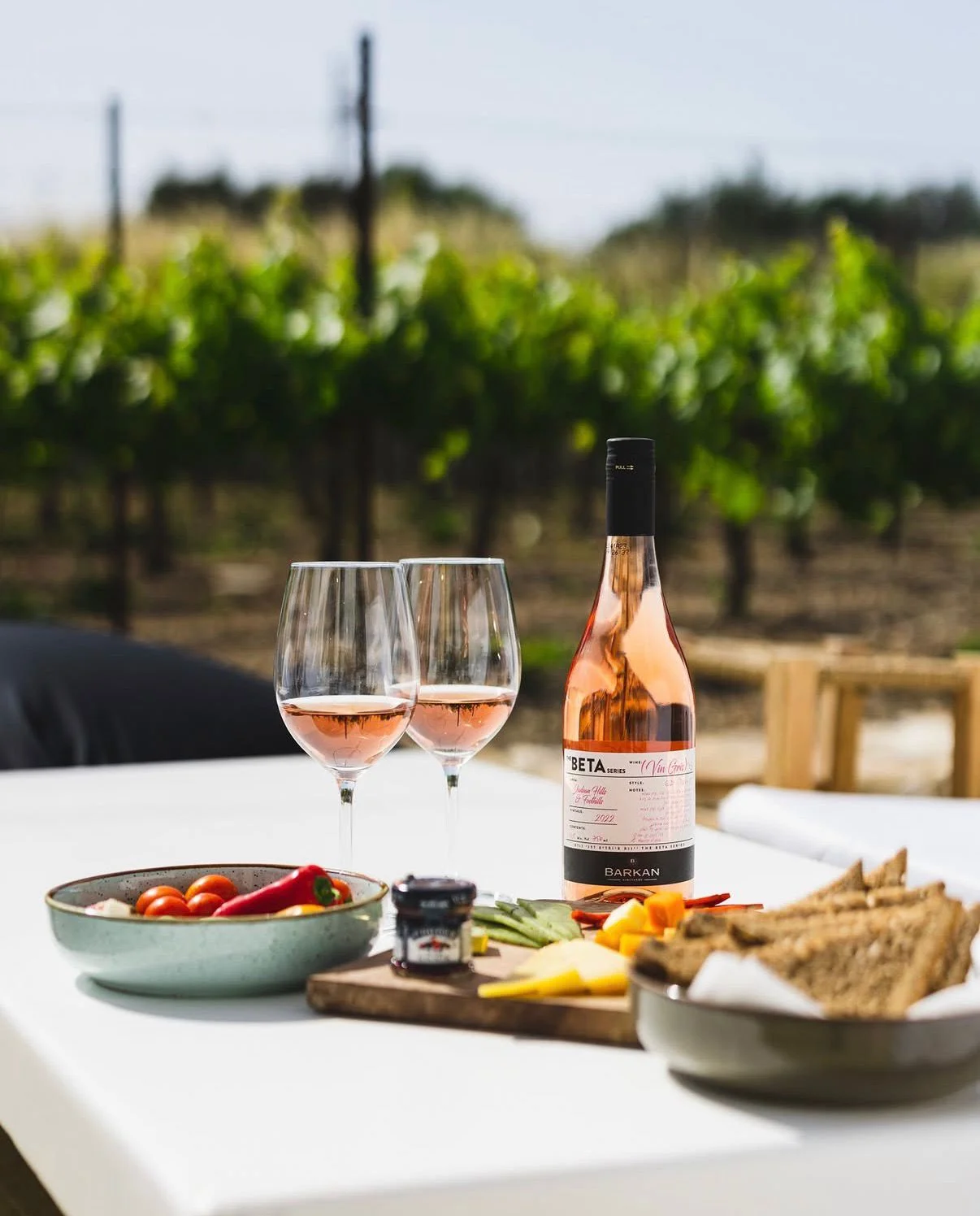
In some countries, the supermarket is gradually replacing the specialist wine store. It could happen here too. However, you will still receive a more personalized service in your local wine shop including better advice and more opportunities to taste. Most reasonable sized towns have their own wine store. I live in Ra’anana, and in this relatively small town, there are no less than six specialist wine stores, and that is along with too many supermarkets to count. So, there is no lack of places to buy wines. Wine shops are usually managed by experts who will give professional advice to match your needs. Just always beware of the wine store pushing the wine they import or represent, if you seek truly unbiased advice.
A few warnings; Wine is like a food stuff, so it will deteriorate if not stored correctly. So avoid the grocery store or kiosk at all costs. There, sales may be slow, and wines are likely to have been left on the shelves, maybe standing in the sun, for too long. This will ensure the wine you buy may not be at the standard it should be. It is easy to blame the winery for a faulty wine, but it is more likely to be an issue of how the wine was kept and transported.
Look out for signs that a wine retailer is not professional. Messy shelves, yellow colored white wines, too many old vintages, are all guides that wine professionalism was not what it should be. Certainly, a retailer that respects wine should have wines costing above 100 or 150 shekels displayed horizontally. This is because the turnover will be slower and the cork needs to stay wet, so it does not dry out. If you see quality, expensive wines standing up, then it is a sign that this is a place to avoid.
Likewise, beware of the over-generous promotions. A supermarket is geared to promotion culture, so there are great deals to be had, especially before Passover, Rosh Hashanah and Shavuot. However wines on sale may at first glance be attractive, but it could also be a dumping of old wines.
Remember for a bottle of wine, the fixed packaging costs are roughly the same. Bottles, corks and labels are similar in price. So the difference between a wine costing 25 or 50 shekels is the actual wine. Therefore, buying the cheapest possible is not always the smart purchase. You really get what you pay for.

Best advice for wine buyers, is to go to the source. Visit the winery itself. This can be fun, educational and wine may be less expensive or definitely kept better if it has not gone through the distribution channels. There are hundreds of wineries, and some near you, wherever you are. Some are closed because of the situation, but many are open and will be delighted, if not desperate, to see you.
Finally, there are many imported wines available, and many more kosher imported wines than ever before. However Israeli wines are so good today, and at every price point, that it is a pity if consumers do not support Israeli wine. So, my advice is to buy blue and white and be proud of the quality and variety of wines produced in Israel!
A rough guide when buying wine, is to use the rule of thumb that there are six glasses to a bottle. The conservative estimate would be to calculate that you will need two glasses per person.
Wine will deteriorate if not kept correctly at home. Most important is to keep wine bottles lying down or upside down to ensure the cork stays moist. If it dries out, the cork will rot and too much air will enter the bottle and the wine will become oxidized. Keep the bottle away from sunlight and large variations of temperature. Wine racks may be bought from wine shops, or a wine case, laid on its side, makes a workable wine rack. If you want to ensure a wine survives the heat of July & August in Israel, purchase of a small wine fridge is a sound investment. But wine is hardier than we are led to belief.
A red wine will last for longer than a white wine, and if you keep wine at home in normal conditions, you are recommended to drink white and rosé wines young when they are fruity & fresh.
Sparkling and sweet wines should be served very cold, regular white wines and Rosés cold, but high quality white wines are better chilled, because if they are too cold it will kill the flavor. Red wines should theoretically be served at room temperature, whilst some light, fruity red wines are excellent chilled. In fact, the most common fault in wine service is temperature. Red wines are invariably served too warm and quality white wines too cold. I believe all reds in Israel should be slightly chilled. Twenty minutes in a domestic fridge will bring down the temperature, but the wine will soon warm up in the glass.
Put your white or rosé wines in the fridge at least two hours before needed. Alternatively, 15 minutes in the freezer will do the job, but don’t forget it there! Believe it or not, the quickest way to chill a bottle is in an ice bucket (a sink or domestic bucket will also suffice) filled with ice and water. A pinch of salt will speed up the cooling process.
The simplest bottle opener is the ‘waiter’s friend’ and it is the easiest to use. It has a corkscrew, a knife for cutting the top of the capsule, just above or below the lip of the bottle and a lever, to assist with cork removal.
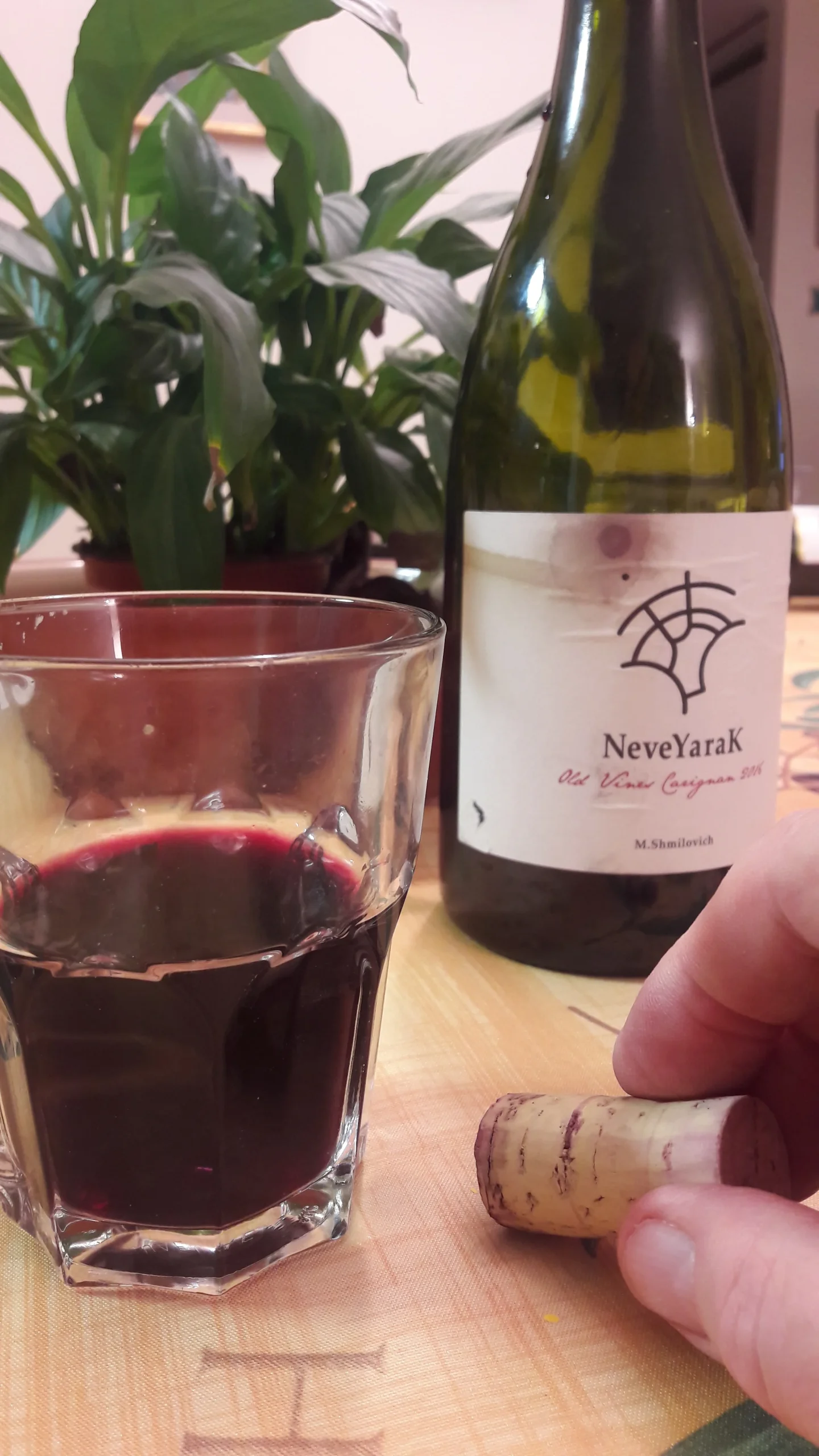
Opening a wine ‘to let it breathe,’ really does not achieve anything, as such a small part of the wine comes into contact with air. If you want to aerate a wine, then use a decanter. A decanter is usually used to remove a wine from its sediment. However, don’t ever keep wine in a decanter as it will deteriorate quickly. Best is to simply pour a wine into a water jug, and back into the bottle. It will be well aerated and better as a result.
An ideal wine glass for home use does not have to be expensive, but it should have a stem, a reasonable bowl and the glass should taper in at the top. Glasses should be of clear and not colored glass or expensive crystal. However, use what you have, if you only have a tumbler use that, though good glasses are readily available at inexpensive prices.
Most important is to choose a wine you like or that you would really like to try. This is far more important than buying something simply to impress anyone with you. When you pour the wine, fill the glasses so that they are half full or if you have large glasses, to just over a third full.
If you have only drunk half a bottle, rather than throwing the rest away, put the cork back in the bottle (hint: if the cork does not go in, turn it around the other way, it will go in more easily) and put the bottle in the fridge. This slows the aging process and the wine will last longer. Alternatively, there are wine saver devices which will help maintain quality and freshness for a few days. Another tip is to put the remains in a small, empty, plastic water bottle. Why this is ideal is that you can squeeze the bottle to get rid of any air as you put the top on. A quality wine may even improve by the second day, just make sure you take it out of the fridge in time for it to warm up.
The most important thing is to drink wine without feeling inadequate because of a lack of knowledge or suitable wine accessories. As we learnt from legendary American culinary personality, Julia Child, no need to apologize or explain your choice or your glassware. I may ‘taste’ wine on my own, but I only really like to ‘drink’ wine with company. However, the current uncertainty and tension can be alleviated by a little fruit of the vine. Spoil yourself. Just open a bottle, relax, take a shluk (sip) and allow yourself a breather! Let’s hope the seven years of famine, will soon be replaced by seven years of plenty. Le’Haim!
The writer is a wine trade veteran and winery insider turned wine writer, who has advanced Israeli wines over four decades. He is referred to as the English voice of Israeli wine and is the Wine Writer for the Jerusalem Post. www.adammontefiore.com