

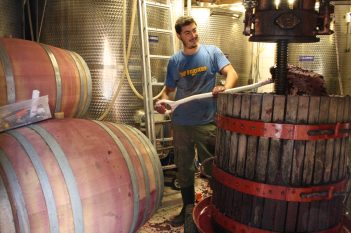
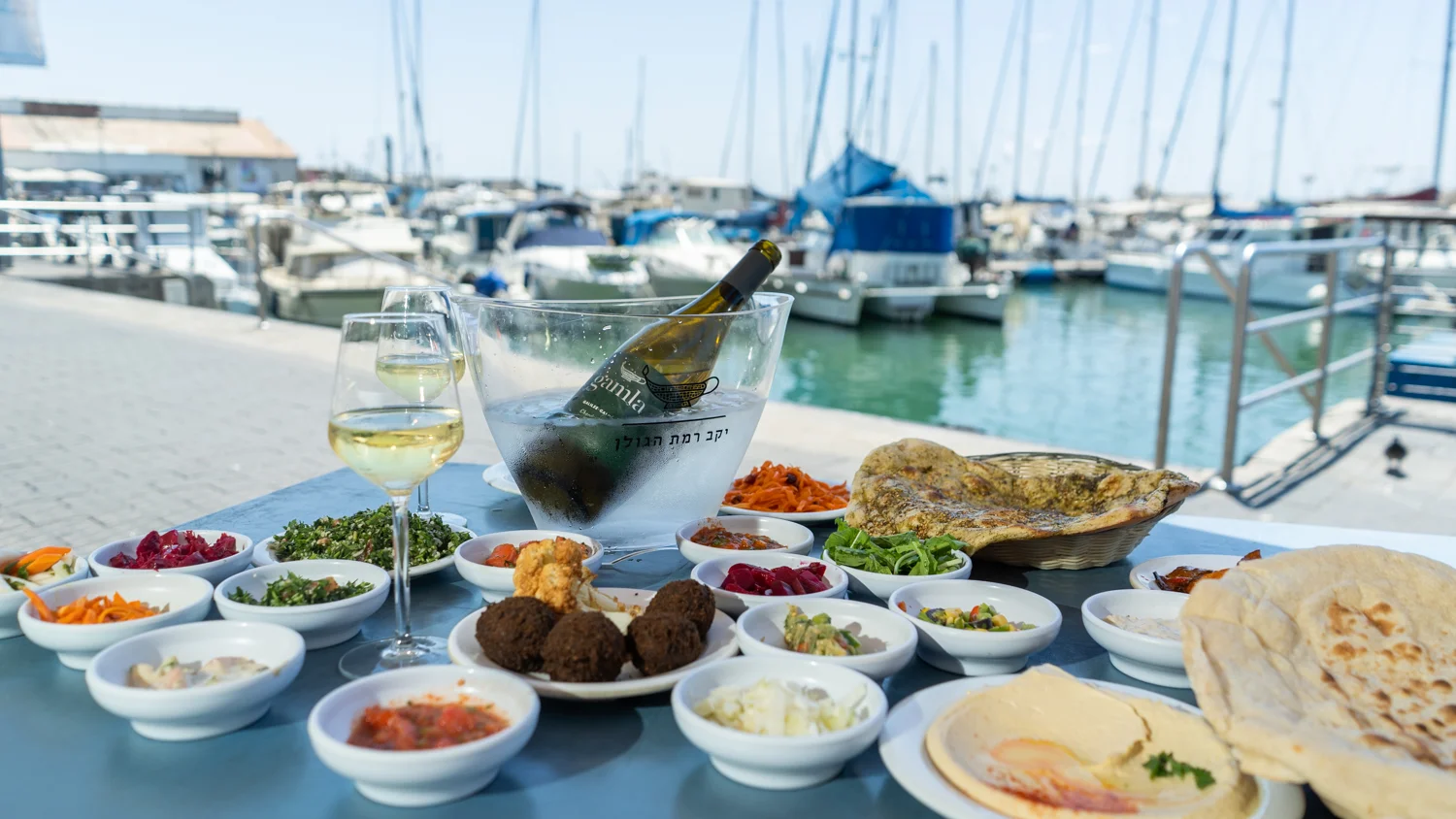
Many wine articles focus on matching wines to individual dishes. It is not that practical, because in real life, we tend to choose wines for a meal, and not for every course. For the first part of my professional career, I was involved with restaurants and hotels in the world of wine education, sommeliers and wine waiters. Matching wine to food was an intricate, fun and pretentious sport. All wine professionals did it. Often, we had to match wines to every course of a banquet. That was fun! To do this successfully, one would need to know the ingredients, cooking procedure and dominant features of each dish on the menu, and also be able to deconstruct the various aspects of the wines. The challenge of finding a match is to elevate both the wine and the food. When you get it right, both will taste better. It is a case of 1+1=3! The Sommelier Derek Todd has said “There is a magic space in that distance between the food and the wine. The ideal match fills in that space.”
Unfortunately, the emphasis the wine trade put on the importance of this, was not lost on regular wine drinkers who would be cowed by the responsibility of ordering “the right wine” that went with the food. This weighs heavily on the person ordering wine in a restaurant and buying wine for home use. It shouldn’t, but that is a downside of wine education. We should not put the fear of G-d into people. Where taste is concerned there are no black and white, rights or wrongs…and between you and me, it is not that important.
There is no doubt in my mind that wine should be part of a meal. It is part of a holy trinity of food, wine and good company (friendship). If one aspect of the three-legged stool is missing, it is not the complete experience. The stool collapses. Food tastes better with wine and I far prefer to drink wine with someone else rather than on my own. I like the Italian attitude. Wine is a fixture on the table like the salt or pepper. It does not have to be on a pedestal or talked about non-stop. It is just there, part of the meal, but modestly in the background.
Do you match wine to food or food to wine? Usually, one matches wine to food in almost all instances. If you are organizing a dinner party at home or ordering in a restaurant, the main course would most likely be decided first, before the decision about the wine.
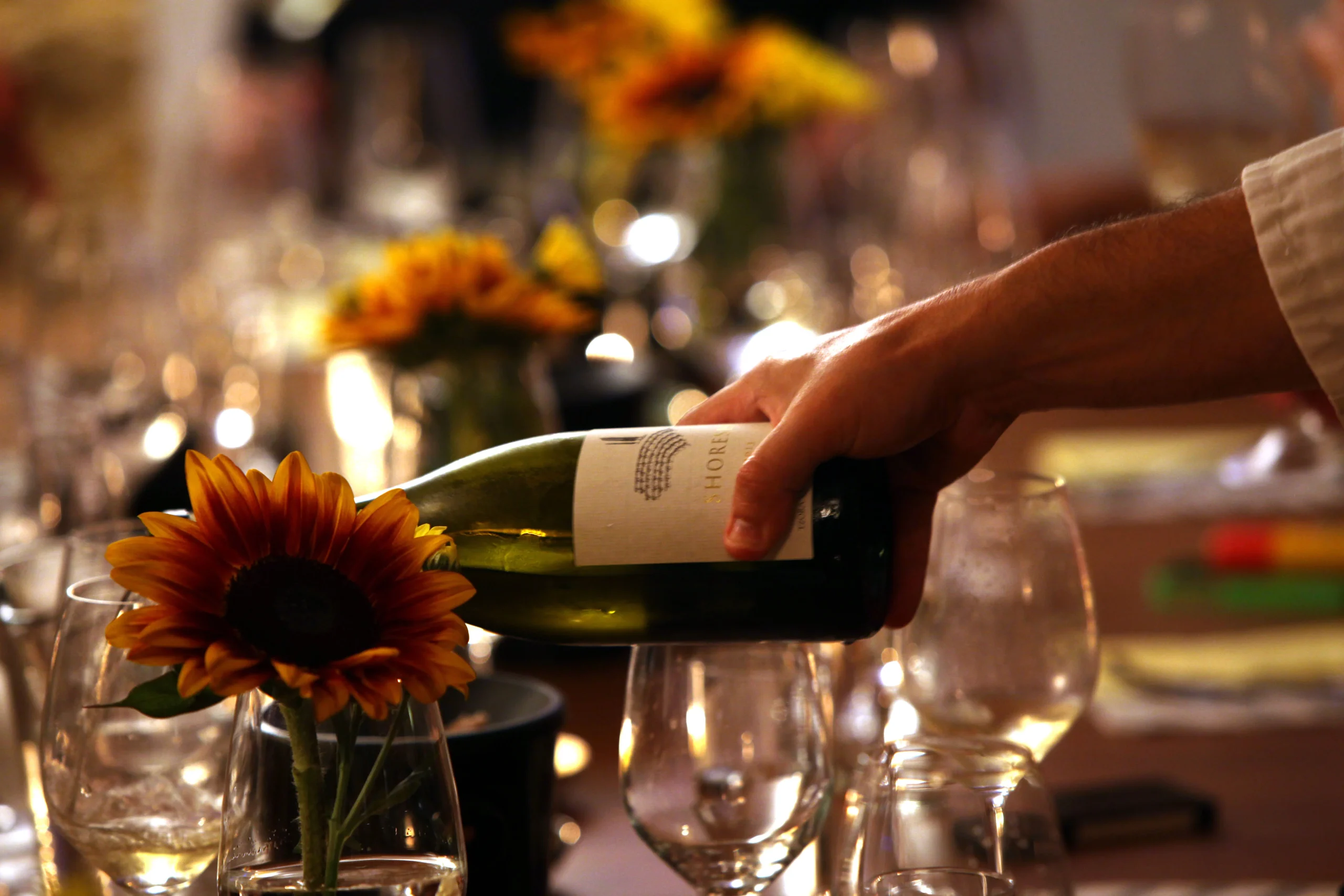
For those who want to play the game, the most basic rule we are told is “Red wine with red meat, white wine with fish.” It is quite a good guide. The idea is sound, but as soon as you look into it, one is confronted by all the exceptions. Taste is personal, expert opinions are varied. This is highly subjective, as all wine tasting is.
Most of the decisions are based on common sense. You won’t eat a rich stew or casserole with an unoaked, thin dry white wine. Nor would you have a rich, high alcohol, tannic red with a delicate fish dish. It is not rocket science. Quite clearly, a light dish should go with a light bodied wine. Similarly, a rich, heavy dish should go with a full-bodied wine. Also, the cooking method will be very relevant. Light dishes may include fish and vegetables. Light cooking methods would be boiling and steaming. Light wines could be Sauvignon Blanc, Riesling or Rose.
It is important to match the flavors. For instance, a fish in a butter sauce will be accompanied well with a buttery Chardonnay. Likewise steak in a pepper sauce will go with a peppery Shiraz. Also, an herbaceous Sauvignon Blanc will be a successful choice with grilled vegetables.
A medium dish would be one made from poultry, chicken and turkey. Baking or roasting would be a medium cooking method. A medium sauce may be based on butter, cream or olive oil. Medium bodied wines could be Chardonnay, Merlot, Carignan and Syrah. Of course I am generalizing to make the point, because in reality wines are made in different styles.
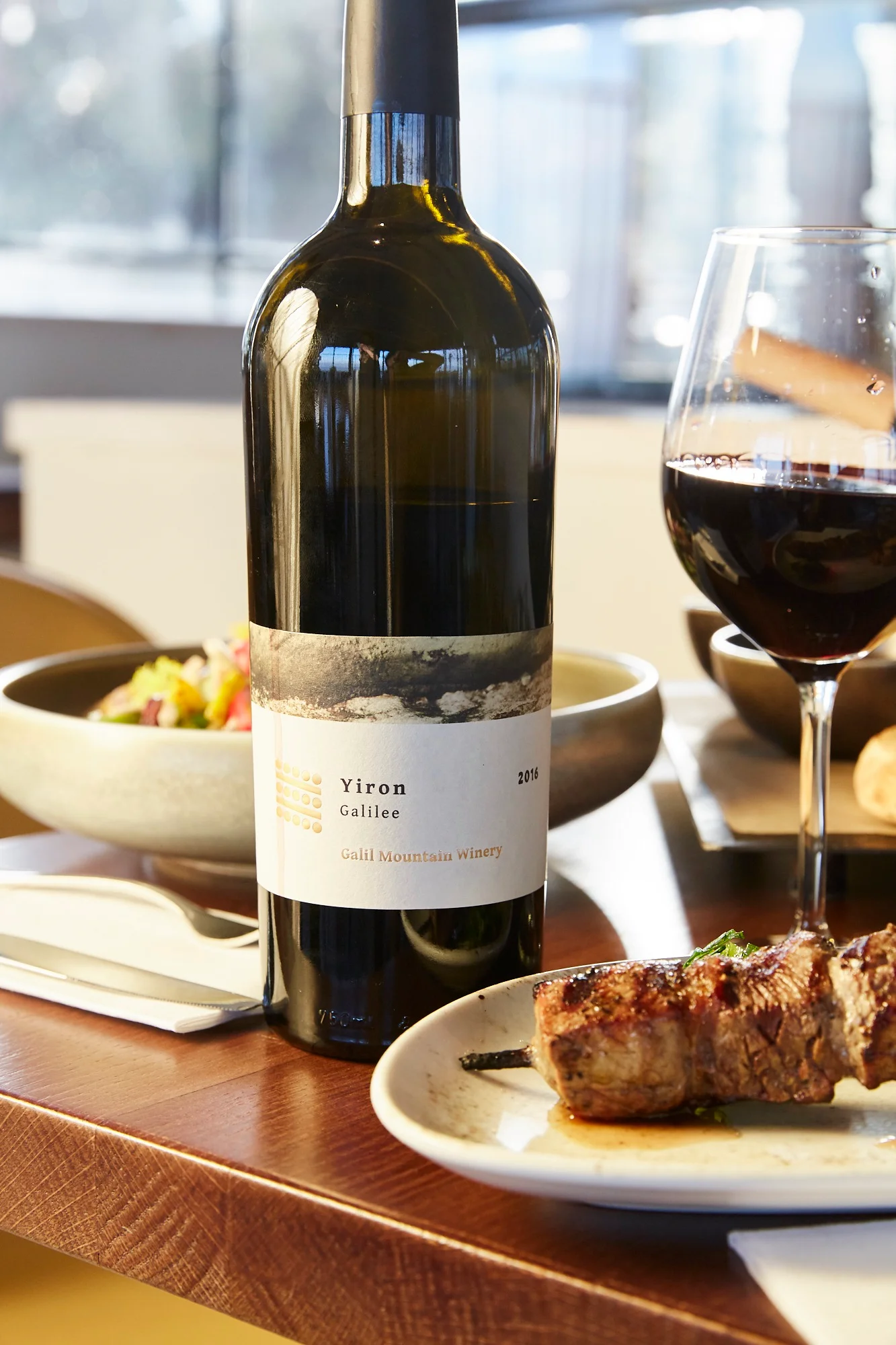
A heavy and weighty dish would be made from red meats, for example beef and lamb. A more intense cooking method would be grilling, stewing or barbequing. Fuller bodied wines to consider may be a Cabernet Sauvignon, Petite Sirah or Petit Verdot.
The sauce is crucial. It is likely to be more important than the protein and be the dominant flavor. Think how these dishes made with the same fish differ: Sashimi, grilled fish, fish in a cream sauce and fish in a hot, spicy harissa sauce. Clearly each would come in a different category. Think of wine like an additional corrective sauce. With wine you have a last opportunity to balance the dish.
It is vital to identify the dominant ingredient in a dish. Think of a regular hamburger. Let’s say for convenience of Kashrut that it is vegan. This will include onions (which are bitter), tomatoes (acidic), blue cheese (salty) or smoked cheese (smoky), tabasco (hot), and ketchup (sweet.) A complicated state of affairs, in a simple burger! If an ingredient dominates, that should be considered more than the sauce, meat or fish. The obvious example is coriander which would take over all flavors in a dish. You therefore have to match the wine to that ingredient.
We know that opposites attract. Think of a sweet and sour sauce in Chinese cuisine. The same may be said of food matching. A fish in batter would require a white wine with high acidity. A blue cheese with a distinct saltiness would be perfect with a sweet dessert wine.
The cooking method can be key. Compare Tuna Sashimi (which is raw), Tuna Ceviche (with lemon juice); a Tuna Dumpling (simmered), Smoked Tuna (smoked), Seared Tuna (pan fried), Tuna Steak (grilled) and Tuna Tempura (deep fried.) The weight and focus of the dish is different for each. So, it would not be an issue of matching the wine to tuna alone.
Cooking time can give a guide. Cold food is usually satisfactory with a lighter wine. Also, food cooked for a shorter time. However, a dish cooked for a longer time will need a heavier wine. Just a guide! Higher cooking temperatures, will inevitably go with a higher alcohol wine. Of course, boiled, steamed or microwaved, will less robust than grilled or an oven roast.
Regional matches do work. There is a saying if they grow together, they go together. Think of tomatoes and basil! Some regional combinations could be a Pepperoni pizza with Chianti; a Provencal garlic dish with Provence Rose; Beef Bourgignon with Red Burgundy; Tapas with Sherry; Quiche with an Alsace Gewurztraminer or Greek Mezze with Retsina. Remember that when you are in the Negev or Galilee. It is always good to drink wines of a region with local cheeses. Also, a Golan wine will be most suitable with beef raised on the Golan.
There are some classic matches that we are taught from day one illustrate the benefits of matching wine with food: Foie Gras with Sauternes; Goat’s cheese with Sauvignon Blanc; Steak with Cabernet Sauvignon; Lamb with a Bordeaux blend; Blue Cheese with a sweet dessert wine (think of Stilton and Port); Asian food with Gewurztraminer.
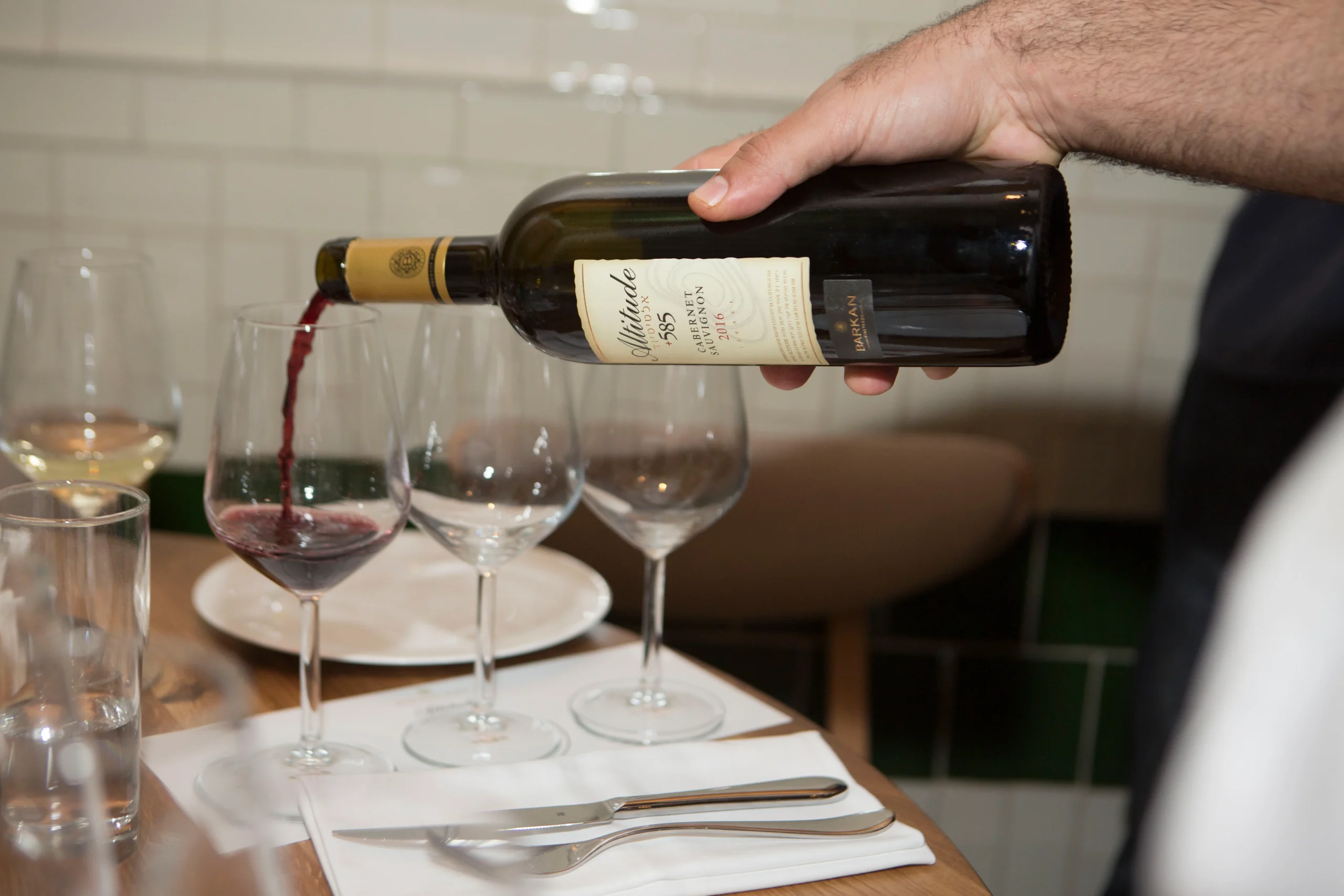
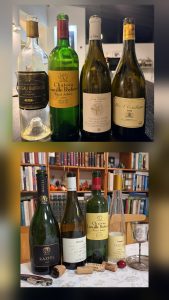
The only time you need to match the food to the wine, is if you open that special aged wine which has been cellared and kept for a special occasion. Then, all the food matching rules fall by the wayside. In this instance, the wine leads. You want to show it at its best, to give respect to the wine. In this instance, serve a dish with no complicated, intricate sauces, and no exaggerated use of herbs or spices. The cook or chef will need to take a back seat with no showing off. I have not forgotten that when once being offered Chateau Lafite 1947 at the winery itself, it was served with the plainest white fillet of fish!
In summary, some tips. Generally, whites go well with fish or poultry. However, if the cooking involves roasting or grilling, then a red wine may be more appropriate. For salty food, avoid high alcohol wines. Sweetness plus salty is a good match. If acidity or sourness is the issue, avoid tannin. Acidity matches well with acidity. Just be sure to choose a wine with greater acidity than the food, so the wine does not taste flat. White, rose and sparkling wines can provide acidity. If there is smoke, go with oak. Smoked foods with oak aged wine work together. A tannic bold red wine is good with fatty meat or hard aged cheese. Tannin does not go well with fish, and reds will not sit nicely with oily or “fishy” fish. Though there are always exceptions. The Portuguese will drink Red Vinho Verde with grilled sardines! For spicy, hot dishes, avoid high alcohol and oaky wines. A touch of sweetness, say in an off dry or semi dry white wine, will tone down the heat and spice in a hot dish, like Chraime (a spicy, North African fish dish.) Likewise, if there is sweetness, say in a pudding, the dessert wine should be just sweeter than the dessert. Otherwise, the wine will taste like water.
There are three particular books that I regard as my personal bibles with regard to matching food and wine. One is “Red Wine With Fish” by David Rosengarten and Joshua Wesson. It is decades out of print, but if you can find a copy it is a pearl. I once lent a copy to someone in the wine trade here, who will remain nameless. Apparently, he found it so useful, it was never returned. He claimed he posted it back to me and it must have been lost in the post, but gave himself away by making no effort to track it or find another copy. I am sure he found it as useful as I did! Then, there is “What To Drink With What You Eat” by Andrew Dornenburg and Karen Page. Finally, “Great Tastes Made Simple”, by Andrea Immer. They open up this whole world and explain all the possibilities. I give them all the credit for my explanations and the quotes used here.
“Any wine & food pairing will have one of three outcomes: ‘The flavor of the food is more dominant than the flavor of the wine. The flavor of the wine dominates the food. The food makes the wine taste better and the wine makes the food taste better.’ The last is the rarest of outcomes and the one I am always striving to achieve.” So, says Alan Murray, MS.
If all this sounds too serious, then note this slogan: “Match the wine to mood, not to food.” There is a lot to be said for this. So, if you have a barbeque, choose a fruity, fun wine. A beach picnic calls for a refreshing wine. A more serious formal dinner, calls for a serious wine…and so on. This is similar to another quote “match the wine to the diner, not the dinner.” (Thank you, Tim Hanni MW). In other words, delve into all this if you want to, but if not, buy the wine you want!
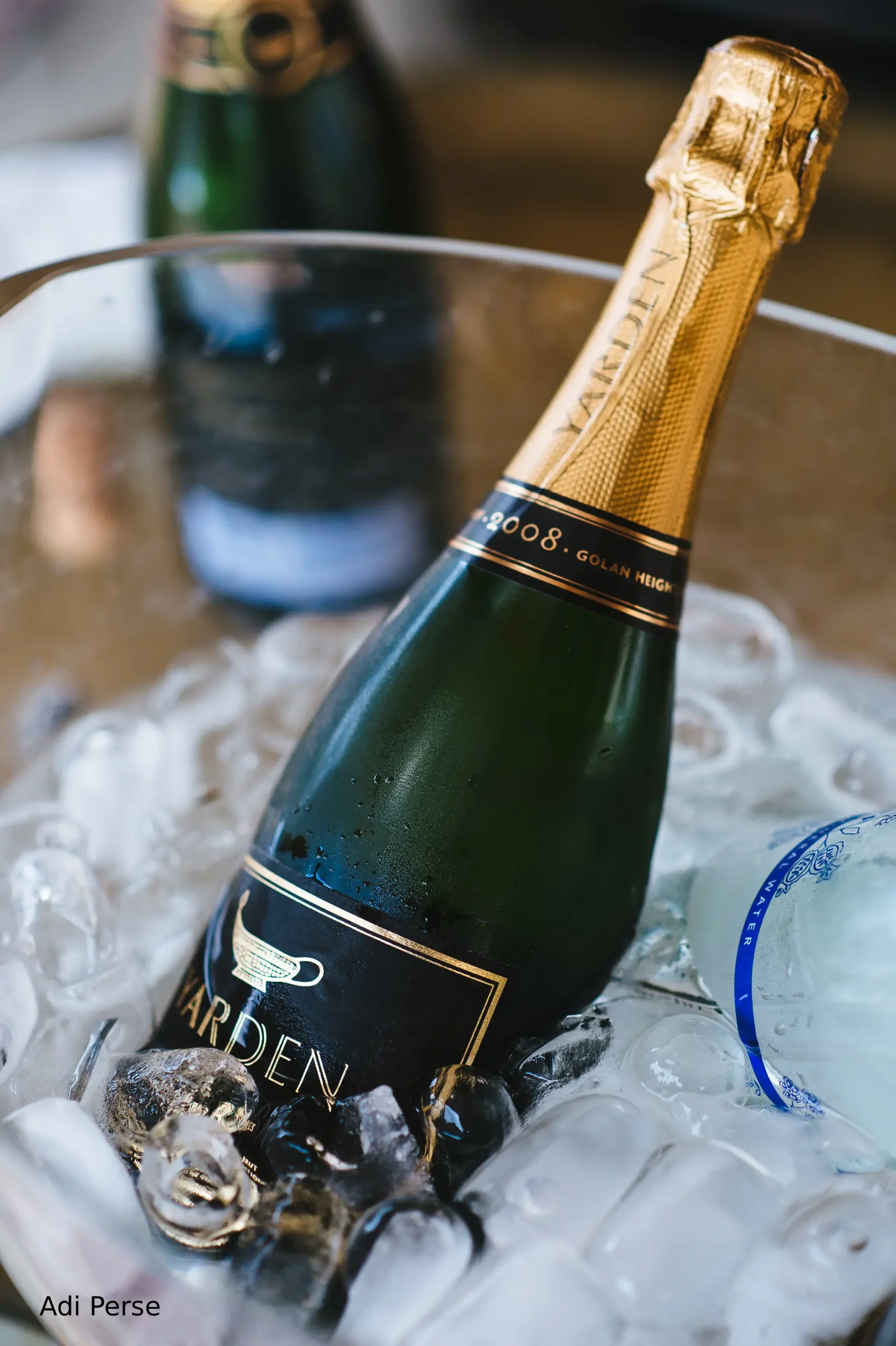
Finally, I bow down to the great sommelier, retailer, wine personality Joshua Wesson. He once came as a guest to Golan Vintage, the memorable food and wine culinary festival hosted by the Golan Heights Winery in the late 1990s. He uttered the immortal words: “Champagne goes with whatever beer goes with!” Not only it is true, it is also smart. I once drank Champagne for three straight days with every meal (in Champagne of course). Not only did I stay sober, but it seemed to go with everything. Therefore, my fallback advice is if in doubt, drink traditional method sparkling wine! It will never let you down!
The main thing to remember is wine goes with food. It helps the digestion, the discussion and the overall meal experience is enhanced with wine. I used to love the challenge of matching food to wine but in my later years I care about it a lot less. I don’t think it matters as much as I once thought. I tend to drink the wine I want with the food I want, and believe it or not, the skies do not fall in if the choice is not “correct.” Good wine goes with good food. It does not have to be complicated.
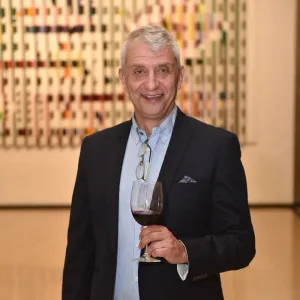
Adam Montefiore is a wine trade veteran and winery insider turned wine writer, who has advanced Israeli wines over four decades. He is referred to as the English voice of Israeli wine and is the Wine Writer for the Jerusalem Post. www.adammontefiore.com