Once upon a time, there was a winery that became the second largest winery in the country. It thrived particularly between the Two World Wars, and later faded away. It has largely been forgotten over time. I am referring to the Friedman Winery of Haifa and later, Petah Tikva. However, it is an important part of our wine story.
Wine played a big part in the development of Israel. The planting of vineyards around the valleys of southern Mt. Carmel and the Central Coastal Plain was symbolic of the Zionist dream come true. Then in turn, the Golan Heights, Judean Foothills, Galilee, Judean Hills, and more recently the Negev and Samaria, all became more established through the planting of vineyards and the founding of wineries in their midst.
The rebirth of wine in the 19th century set the tone for the revival. In 1839 Sir Moses Montefiore, a forerunner of Zionism, urged Jews to return to agriculture, to plant vines and olive trees and to work instead of living of charity. There were those that heard this voice.
We are familiar with the development of wineries in the 19th century. The first recorded winery was Ginio Winery, founded by a David Ginio who came to Israel from Salonika. His winery was established in 1840 in Yehudim Street in the Old City of Jerusalem. However, more attention is given to the wineries that survived the economic turbulence and still exist today, amongst these are Shor and Teperberg.
The Shor family established their winery in the Old City of Jerusalem on Haggai Street in the Muslim Quarter. It is Israel’s oldest existing winery, which was renamed Zion Winery before the founding of the state. That same Shor family today own six wineries or brands: Zion Winery, Arza Winery and Hacormim and their satellites, 1848 Winery, Hayotzer Winery and Shorr (sic) Estate. These wineries are still managed by different cousins of the Shor family. Here the Zion Winery is unique. The owner, CEO, senior management and winemaker are all still from the family – after nearly 178 years of production and trading.
The Teperberg family winery was founded in 1870 in the Jewish Quarter. It was called Efrat Winery after 1948, but in the 2000s was renamed Teperberg. It remains the largest family owned winery in Israel. The fifth generation Motti Teperberg is owner and CEO. He has been CEO since 1984 and is the longest serving winery CEO in the country.
Of course, the most famous winery is Carmel. This was the first truly commercial winery in Israel. It is the historic winery of the country and remains the largest winery even today. They trace their founding back to 1882. In fact, the first wineries, Rishon Le Zion Cellars and Zichron Ya’acov Cellars, were only established in 1890 and 1892 respectively. The word Carmel was first used in 1896, when Carmel Wine Company was established for export. The name was only used locally from 1902, when Carmel Oriental became the name of the company marketing wines in Israel and in the Ottoman Empire. The wine growers’ cooperative was established in 1906 and would last over 100 years. Then how is it they claim they were founded in 1882? This was the year of the First Aliyah. It was also the year of Baron Edmond de Rothschild’s first donation, the year he sent over the first agronomist to scout the land and the year the first experimental vineyards were planted. It is a sort of justification, at a stretch!
One day I received a telephone call from a Shimon Friedman. He was researching wineries of the 19th century. This has always been an interest of mine. He wanted to meet and I benefited from his thirst for knowledge, interest in the period and determined approach in seeking information. Initially I did not appreciate his involvement, but the name was a clue. His great grandfather was the Shimon Friedman, with the same name, who founded the Friedman Winery. This is another winery that also played a big part in our story, but is largely forgotten because it no longer exists. Meeting Shimon Friedman junior was an opportunity to learn more.
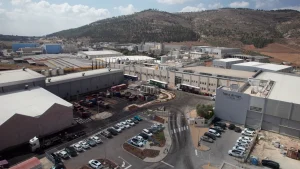
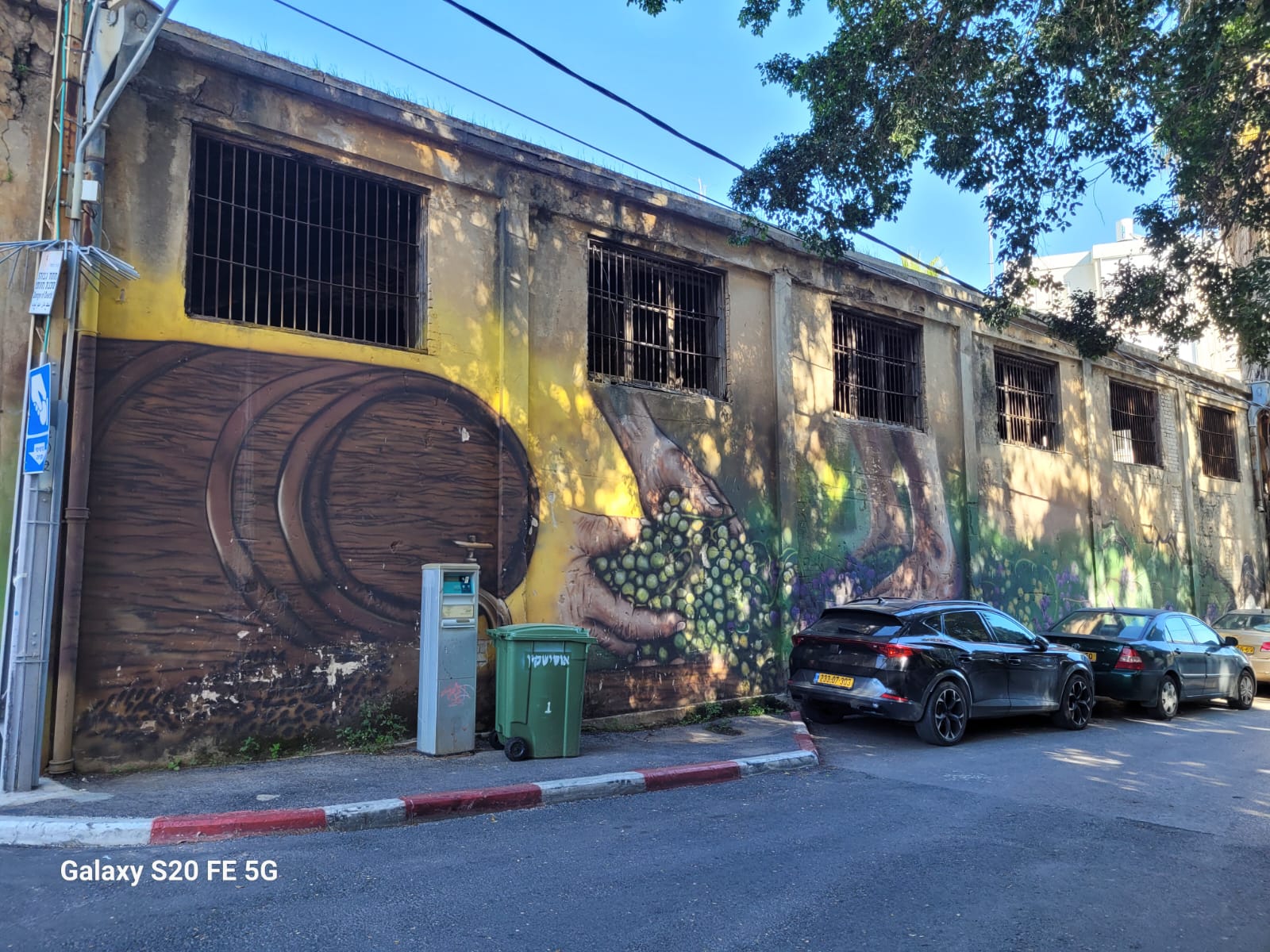
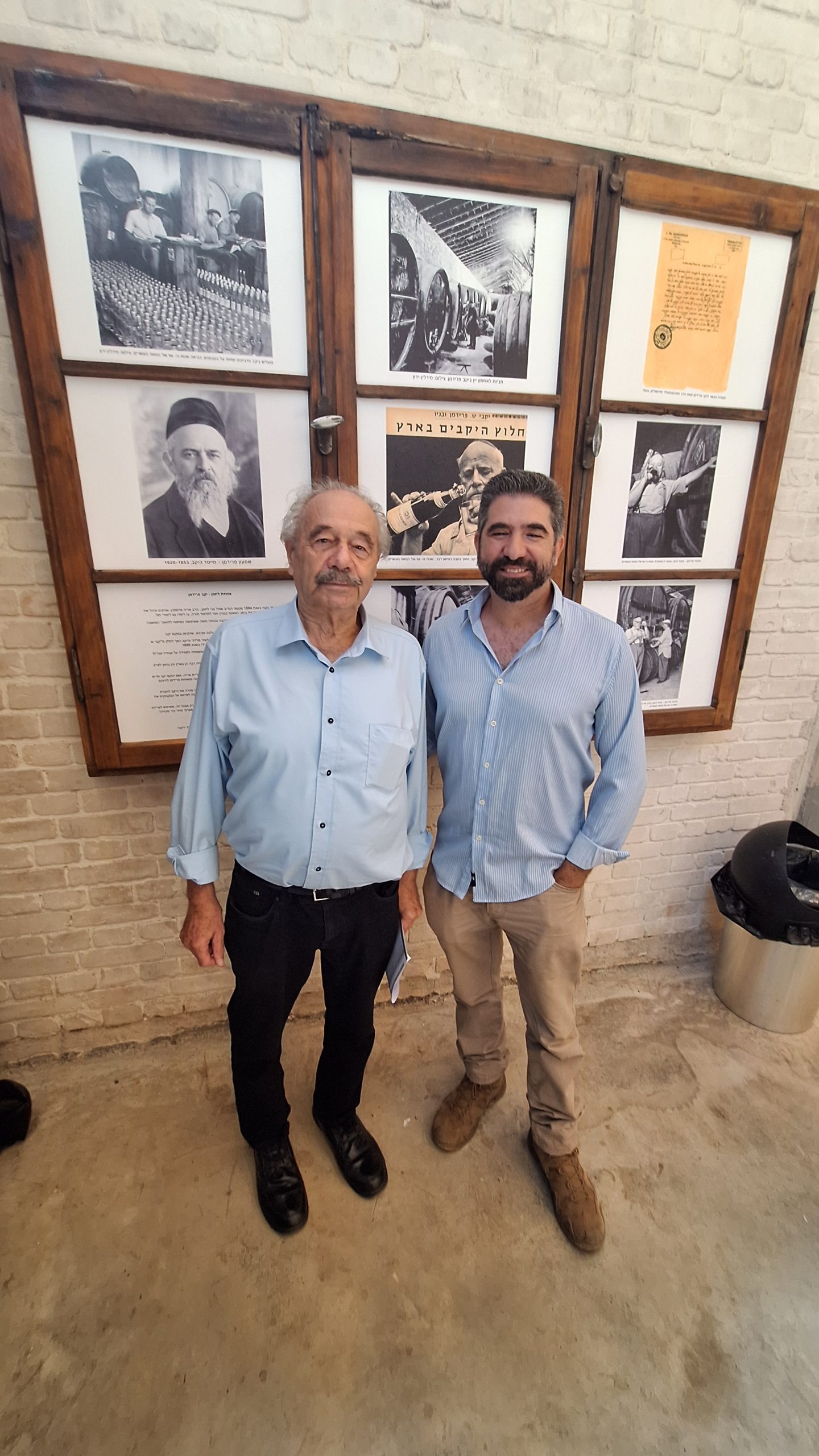
On the site where the winery stood in Petah Tikva, there is now a car park and the Young Adults Center. Part of the outer wall is original and inside they have a small but informative photo exhibition about the Friedman Winery. I met Shimon and his son Uriel there with notepad open and ears pricked.
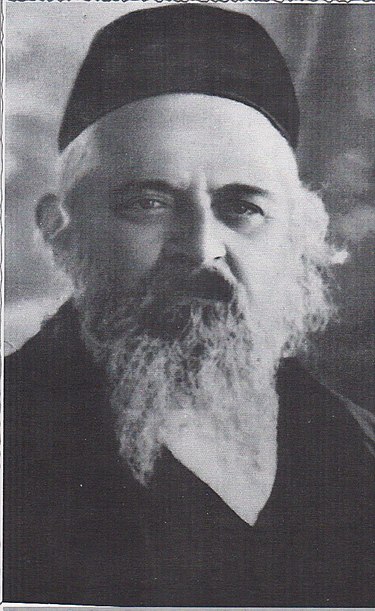
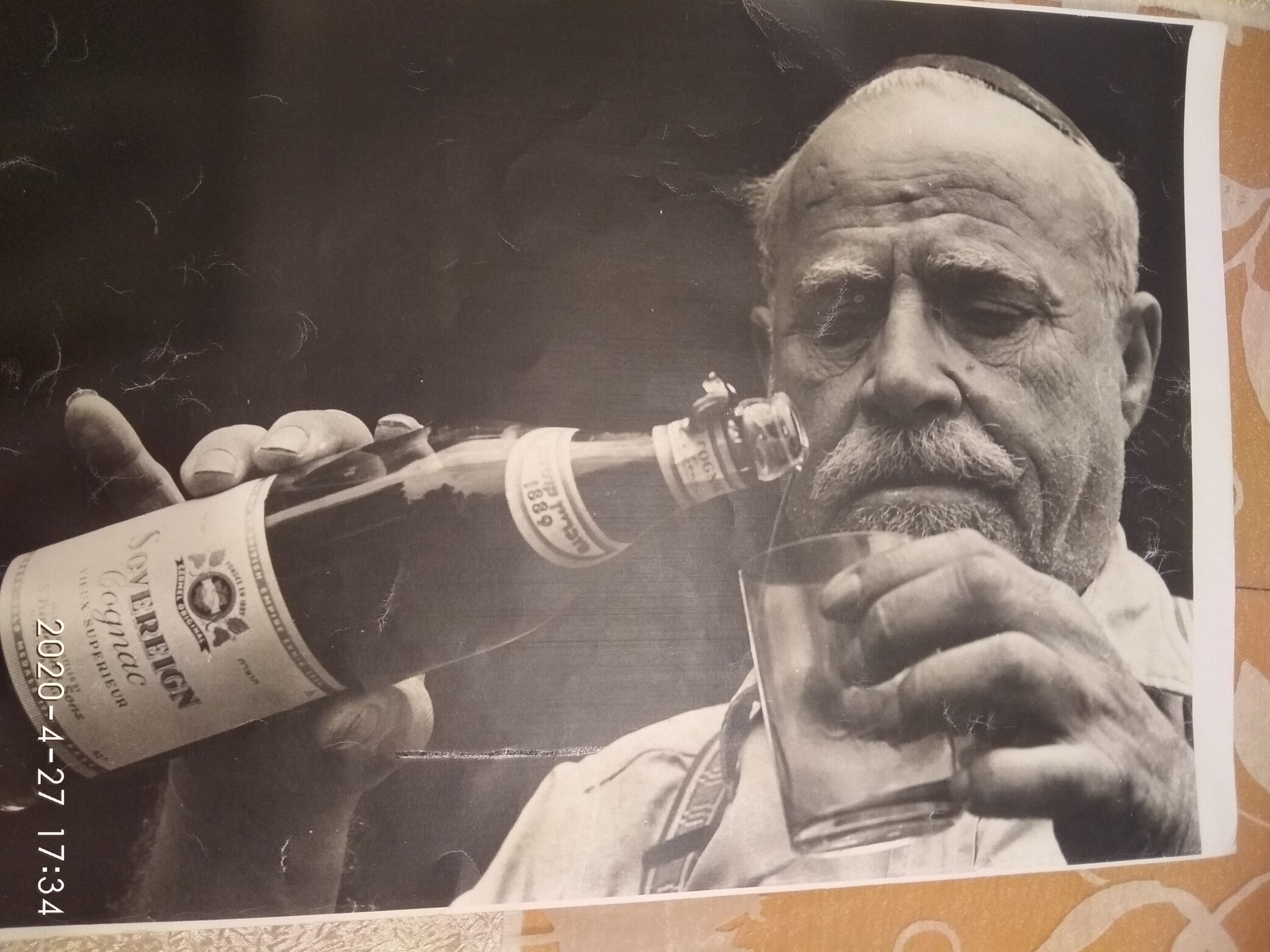
The original Shimon Friedman was a Karlin Hassid (as were the Shors) who came to Israel from Ossetia in Ukraine in 1817, long before the return became an unstoppable stream. He settled in Tiberias, as did the Shors too. From there, the family moved to other places in the Holy Land. When he moved to Haifa, he was one of the first Ashkenazi families to go there. He took advice from the Admor about what he should do. He was advised to go into the wine trade. The folklore says he went to Germany to check out how wine was made. In 1889 he founded the Friedman Winery in Haifa, where he was both important and influential. He was responsible for creating the Ashkenazi community there and is fondly remembered for founding a clinic of doctors and nurses to treat the sick and ill.
He was the Zionist representative for Haifa. When the Zionist Congress met to consider the Ugandan option proposed by Herzl, he voted against. He was a much-respected leader of the community. The family proudly showed me the correspondence between Herzl and Shimon Friedman. Herzl admitted he did not drink but thanked him for his wine. Herzl’s letter was addressed to “Shimon Friedman, Distillateur, Palestine.”
Friedman Winery produced wine, brandy and arak. It prospered and eventually outgrew its premises. They then moved to Ussishkin Street in Petah Tikva at the invitation of the Lachman estate. Laibe Frumkin had built a two storied house there. It was the first home built from stone of the colony. But this was where the winery grew and became the second largest winery in Israel, even though a long way behind Carmel which was a near monopoly. Originally, they took grapes from Arab growers in Hebron, but later bought grapes from Jewish grown vineyards in Saydoun Gezer and Gedera. The Haifa premises became a retail outlet for the winery’s produce.
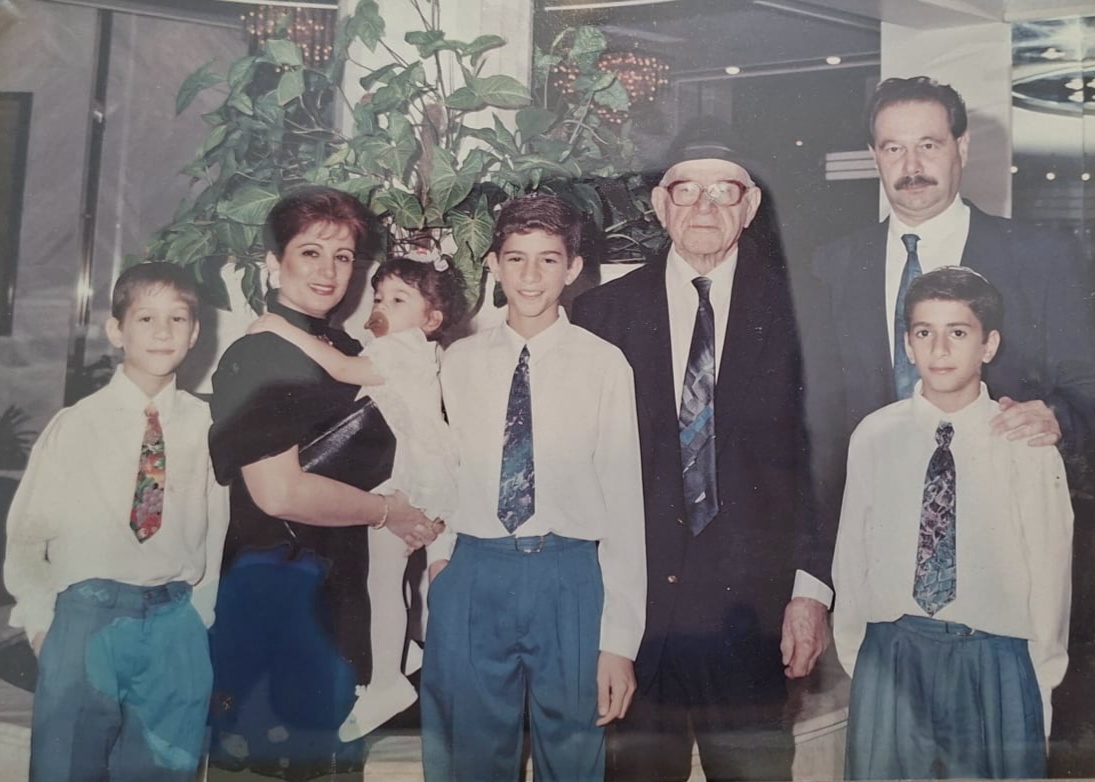
Shimon Friedman junior’s grandfather, Elazar Mordehai Friedman was by then the manager owner. The winery under his watch insisted on employing only Jewish workers, giving work and hope to many new immigrants. Rabbi Kook was an honored visitor. There was a legal confrontation between Carmel Mizrahi and Friedman at one stage. They both used the brand name Carmel. Friedman’s brand was Carmel Original. Carmel sold initially under the name Carmel Oriental. This was later translated to Carmel Mizrahi. Both had roots at different ends of Mt. Carmel. But in 1932 it was resolved out of court, and Carmel Mizrahi prevailed.
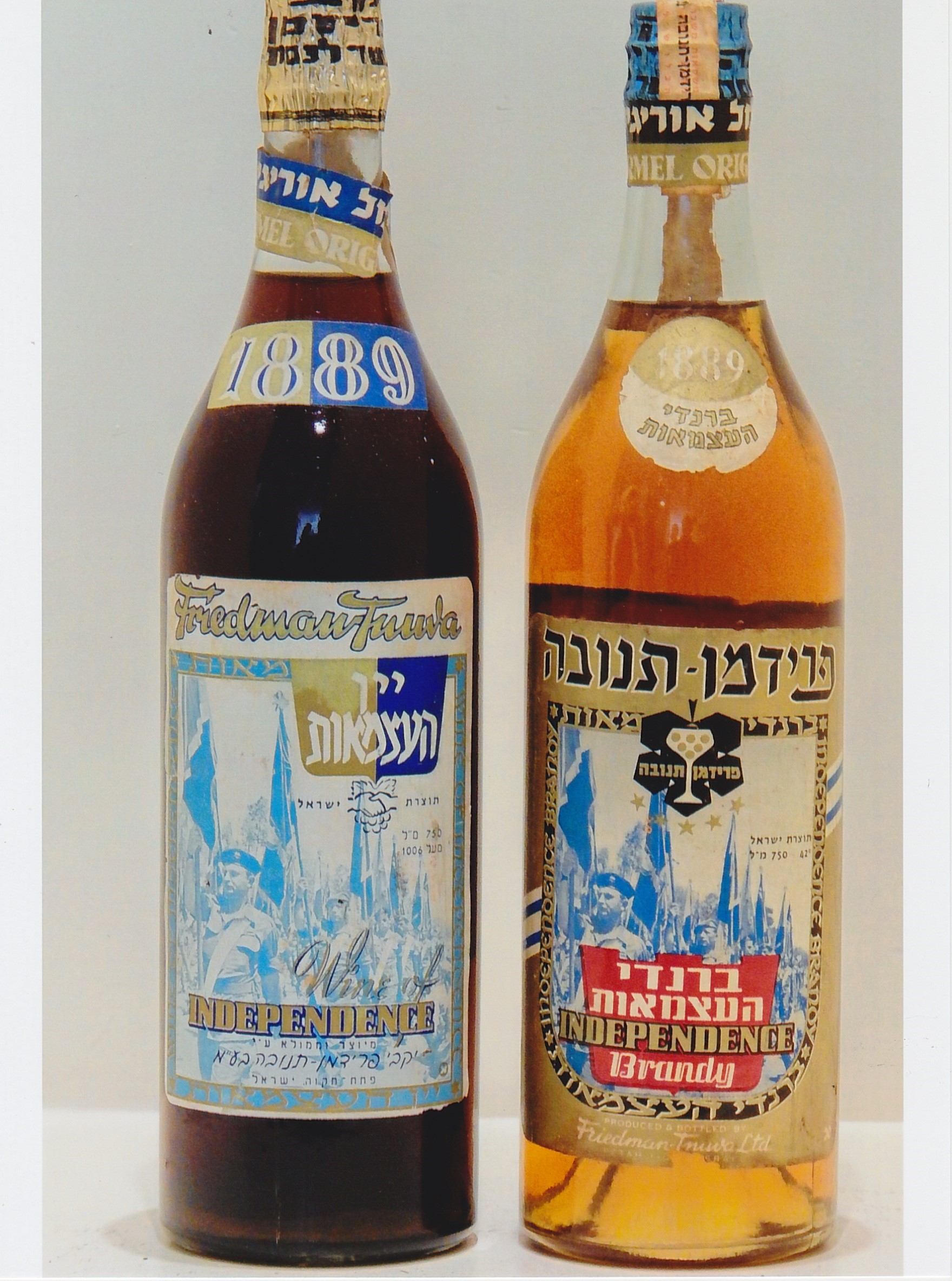
By 1960 the mayor, Mr. Pinchas Rashish, made the request that the winery move to an industrial zone. Friedman Winery moved to a 22 dunam site in Kiryat Aryeh. They had the offer for a joint venture with Tnuva which looked like a win-win deal. Friedman had wine, Tnuva had grapes. What could be better? By now Shimon junior’s father, Bezalel was the CEO. Tnuva were able to provide grapes from their farmers and Friedman could continue making wine without concern where the raw material would come from. In 1964 they started what was a 50:50 partnership and the winery was renamed Friedman-Tnuva.
At this stage there were three large wineries in Israel: Carmel, Eliaz and Friedman-Tnuva. Askalon Wines – Carmei Zion, Efrat and the Jerusalem wineries were tiny by comparison. Eventually Tnuva bought Friedman Winery outright, but this agreement which was so smart in theory, proved the winery’s undoing. Tnuva were big, too powerful and unseeing, without any understanding of the wine trade. They had too many growers eager to offload their grapes, and their interest was in keeping them happy rather than running a successful wine business. It was unsustainable economically. In a sense, their mismanagement ruined the winery.
They sold the business in 1971 to WEST, the Israeli representatives of Stock, the largest selling brandy in Israel. In the 1980s there was a major economic crisis. Carmel did not pay their growers and at one stage they had four CEOs in four years. This was one of the triggers that pushed Yonatan Tishbi, a member of the cooperative, to found his own winery.
WEST was not immune. Their main brand was Monfort, but they were panic selling with “buy one and get one free” promotions. Michael Ben Joseph, pilot and wine writer, visited the Petah Tikva winery and described it thus: “a substandard establishment falling into ruins – cracked concrete tanks, unpainted interior walls, non-existent minimum hygienic conditions.” He says the owners were “planning the future, but ignoring the present.”
The future was a brand new winery with a large capacity, using an Italian winery designer as a consultant. The place they chose was the Barkan Industrial Estate on the way to Ariel. The dreams ran amok, but the economic realities in 1988 were different. WEST went bankrupt and the winery was put in the hands of a Receiver appointed by the courts.
This is where two grape growing partners came in. Shmuel Boxer and Yair Lerner picked up the reins, founded Barkan Winery and the rest is history. Boxer was a 5th generation agriculturist and grape grower; Lerner was a partner. They took to the challenge with gusto and no little success. They were eventually bought by Tempo Beverages, the largest brewery in Israel, but Boxer remained CEO for many years and steadily grew to challenge Carmel’s hegemony as the largest winery in Israel. Indeed, for a few years in the 2010s they were probably the largest winery in Israel.
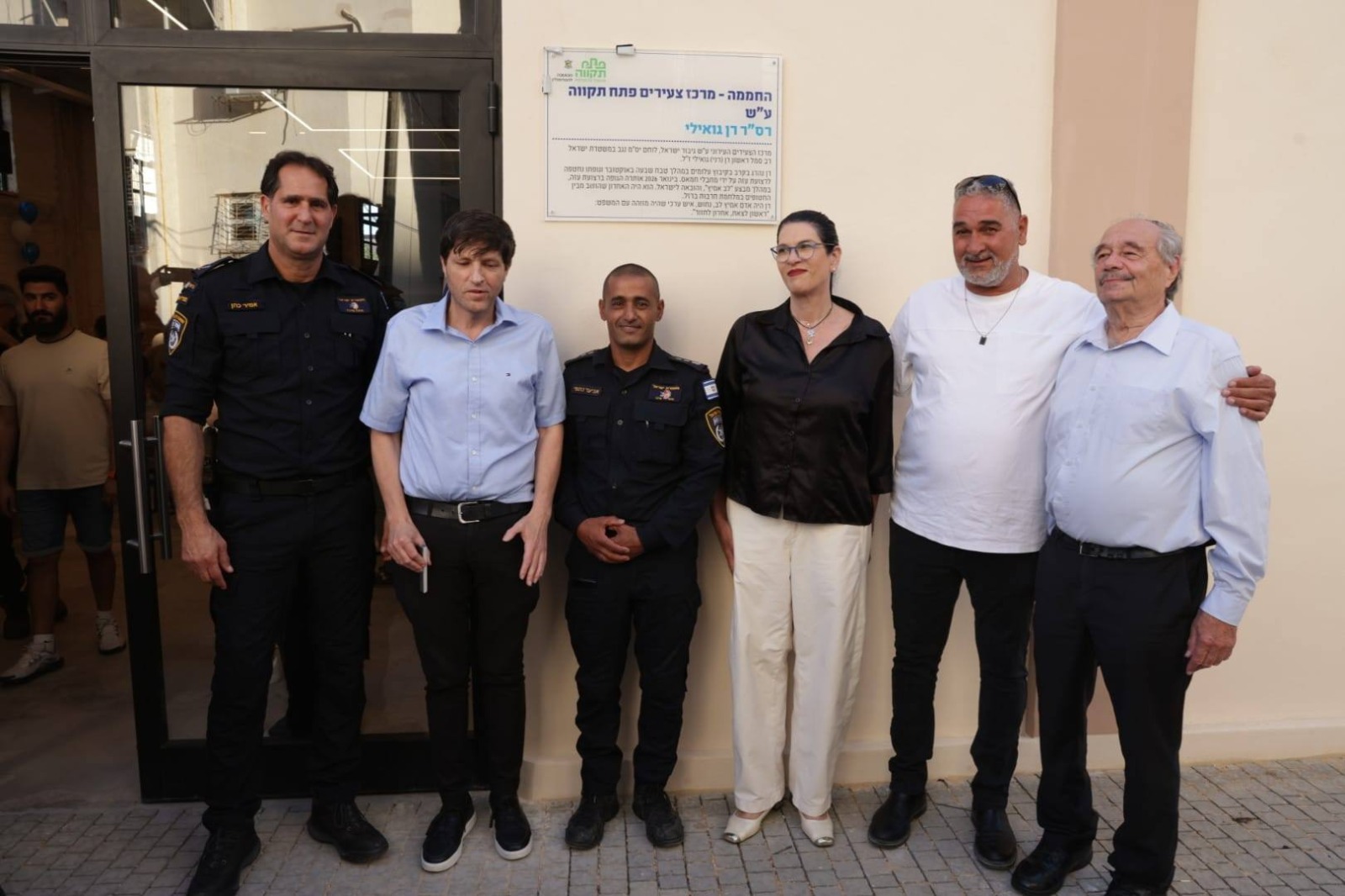
Regrettably, the old winery building in Petah Tikva was mostly demolished in 1986 during the time of Mayor Dov Tabori. It became a parking lot. However, forty years later, the Petah Tikva Municipality began conservation and restoration work to save what remained, and convert the building into an urban work space for students and young people. This year the building opened as a Young Adults Center, managed by Alon Hoter. It is named after the late Ran (Rani) Gwili of the Israel Police, who was killed in battle protecting others on October 7th 2023. It was opened by the Mayor of Petach Tikva, Rami Greenberg, in the presence of Gwili’s parents and Shimon Friedman.
In the corner of the building is the photo exhibition of Friedman Winery. A mini time capsule of Israeli wine. As Shimon Junior took me from picture to picture, he was able to give a background story suitable for every photograph. He was even able to name every individual featured. They were all part of the extended Friedman family and even the lowest worker’s name was remembered.
Now we should remember there were many wineries in the 19th century but most were tiny domestic wineries making wine in a cellar or back room for family and friends. That is how Shor and Teperberg Wineries began. They just had longevity other wineries didn’t. But Friedman Winery grew more quickly into a commercial winery which from 1889 to 1971 was an integral part of our developing wine industry. Thanks to Shimon Friedman junior, we have the opportunity to remember his great grandfather and his contribution to the Israeli wine story.
When Barkan Winery retrospectively published they were “established in 1899 when Shlomo Friedman founded his winery in Petah Tikvah”, I decided to check the facts. Firstly, it was Shimon Friedman (not Shlomo) that founded his winery in 1889 (not 1899) in Haifa (not Petach Tikvah). Secondly, without doubt, Barkan Winery was founded in 1990. I was around at the time to witness this and that was what was published in the years following. However, a creative marketer, must have scrolled backwards from Barkan via WEST Stock, to Friedman-Tnuva, finally arriving at Friedman Winery.
Does this mean Barkan was founded in 1889? The answer has to be no, but at the same time, it is true the winery they took over has winemaking roots that go back to Shimon Friedman in 1889. The Barkan interpretation of their story at least gave me the excuse to look into the history of Friedman Winery, and for that I am grateful.
The writer is a wine trade veteran and winery insider turned wine writer, who has advanced Israeli wines over four decades. He is referred to as the English voice of Israeli wine and is the Wine Writer for the Jerusalem Post. www.adammontefiore.com