In the mid-1980s, Peter Hallgarten, doyen of the English wine trade, arrived in Israel having heard about a new winery. Curious and interested, he visited the Golan Heights Winery. Not many people made the long drive north and certainly not to visit a winery. There was little to see in those days. The area was sparser and less populated than today. Wine in Israel meant Carmel Mizrahi which was then a monopoly. Hallgarten was there to visit the new upstart winery on the Golan. He was greeted by Shimshon Welner, the general manager and Peter Stern, the Californian winemaking consultant of the winery.
Amongst the wines set up before him, was a youthful Yarden Cabernet Sauvignon. Hallgarten gingerly tasted it, not knowing what to expect. He thought it was ok, but nothing special. The two Peters then went for a drive to tour some of the vineyards on the volcanic plateau of the Golan. When they returned, they tasted the wine again. It had opened up and was already something else altogether. It had softened and showed layers of hidden complexity. Hallgarten understood it was something special. He was also impressed by the technology, viticulture and the spectacle of the night harvest. He was the right man to impress. He was managing director of the House of Hallgarten, a very respected British wine merchant. The company had been founded in 1933 by his father Fritz Hallgarten, who was a German Jew working in the wine trade. He had fled to Britain from the Nazis. Peter Hallgarten was impressed enough to import the Israeli wines to Great Britain, which in itself gave an injection of credibility to the new winery.
There were two strokes of luck in the founding of the Golan Heights Winery. Firstly, they planted Cabernet Sauvignon at a time when the inferior Carignan was far more prevalent. In retrospect, it looks like the obvious choice. At the time, it could have been considered unlikely. Baron Edmond de Rothschild an owner of Chateau Lafite no less, had insisted in planting Cabernet Sauvignon in the 1880s. The Baron wanted to make a good quality wine. Sadly, his vision was almost exactly 100 years before its time. The grower farmers complained the yields were too low, the vines were destroyed by the phylloxera aphid and there was no genuine demand for quality wine. What the customer of the day wanted was liquid religion – whether Kiddush wine for Jews or Sacramental wine for Christians, seeking Communion or Altar wine “from the Holy Land”.
It is probable that those first vineyard owners on the Golan had no inkling how suitable Cabernet would prove to be for the new region. The next stroke of luck was that out of the first three vineyards planted, two of them were outstanding sites. They were the perfect terroir for the production of a high-quality wine. The Yonatan vineyard in the Central Golan and Ramot Naftali vineyard in the Upper Galilee were immediately, two of the best Cabernet Sauvignon vineyards in the country.
The first Yarden Cabernet Sauvignon produced, the 1983, went under the radar. It was launched in 1986 – forty years ago. It was the Yarden Sauvignon Blanc 1983 which was noticed. The New York Times referred to it as Israel’s first world class wine. However, the second red wine would shatter the glass ceiling for both Israeli and Kosher wines for that matter. The Yarden Cabernet Sauvignon 1984 won not only a Gold Medal at the International Wine & Spirits Competition in London, but also the Winiarski Trophy for best wine in the competition. The IWSC was in those days the major wine tasting competition. It was an astonishing result which no-one could quite believe. Peter Stern told me he had walked the vineyard deciding which plots should be used. Peter Hallgarten was correct in his analysis. It was a world class wine from a pioneering winery that shook up the Israeli wine scene and put Israel on the international wine map.
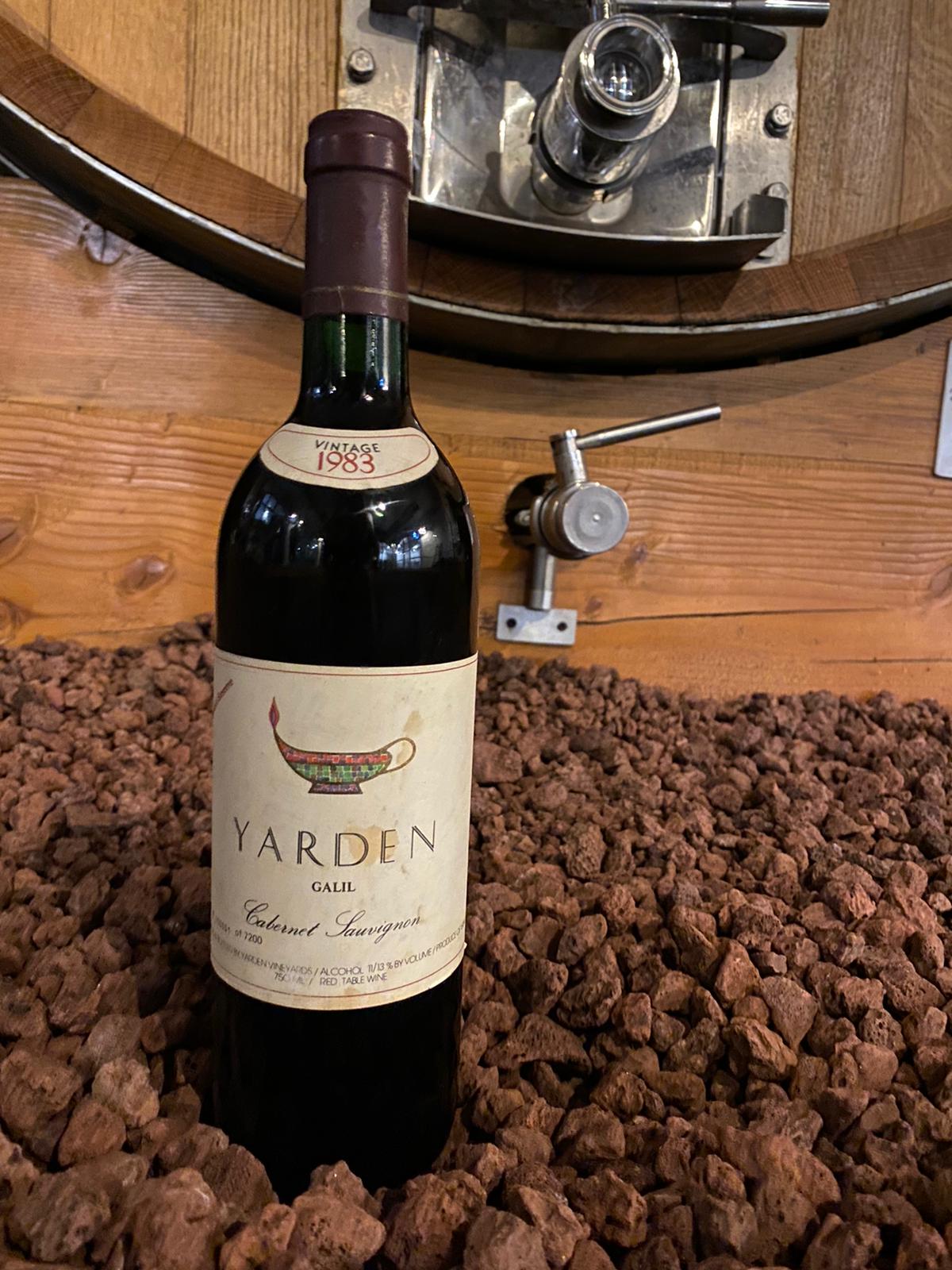
It was not a flash in the pan. Yarden wines, and in particularly their Cabernet, kept on winning important awards. The following vintage, Yarden Cabernet Sauvignon 1985 won no less than three major awards: Gold Medal at Challenge International du Vin in Bordeaux, the Grand Prix d’Honneur Trophy at Vinexpo and another Gold Medal at the IWSC. In the next decade the Golan Heights Winery won awards in all the major competitions, and the chief trophy and medal winner was Yarden Cabernet Sauvignon. After the turn of the millennium, Yarden Cabernet Sauvignon 2004 became the first Israeli wine to appear in one of those valued annual “100 Best Wines Of The Year” lists. The wine appeared in “The Wine Spectator’s Top 100 Wines” of 2007.
In the meantime, Cabernet Sauvignon embedded itself on the Israeli wine scene. Almost without exception the best wines from Israeli wineries were either Cabernet varietals or blends based on Cabernet Sauvignon. Baron Rothschild was proved right in the end. In the 2000s, Cabernet Sauvignon became the most planted variety in Israel taking the mantle from Carignan. These days Mediterranean varieties are more in, and blends are becoming more popular at the quality level than varietals. Nevertheless, Cabernet Sauvignon remains the biggest brand in Israeli wine. It is more recognizable than the main winery labels. Reds are still the most popular wines, and Cabernet Sauvignon is certainly dominant in the mass market. The largest selling wine is a Cabernet Sauvignon (Carmel Selected Cabernet Sauvignon.)
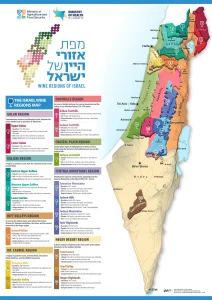
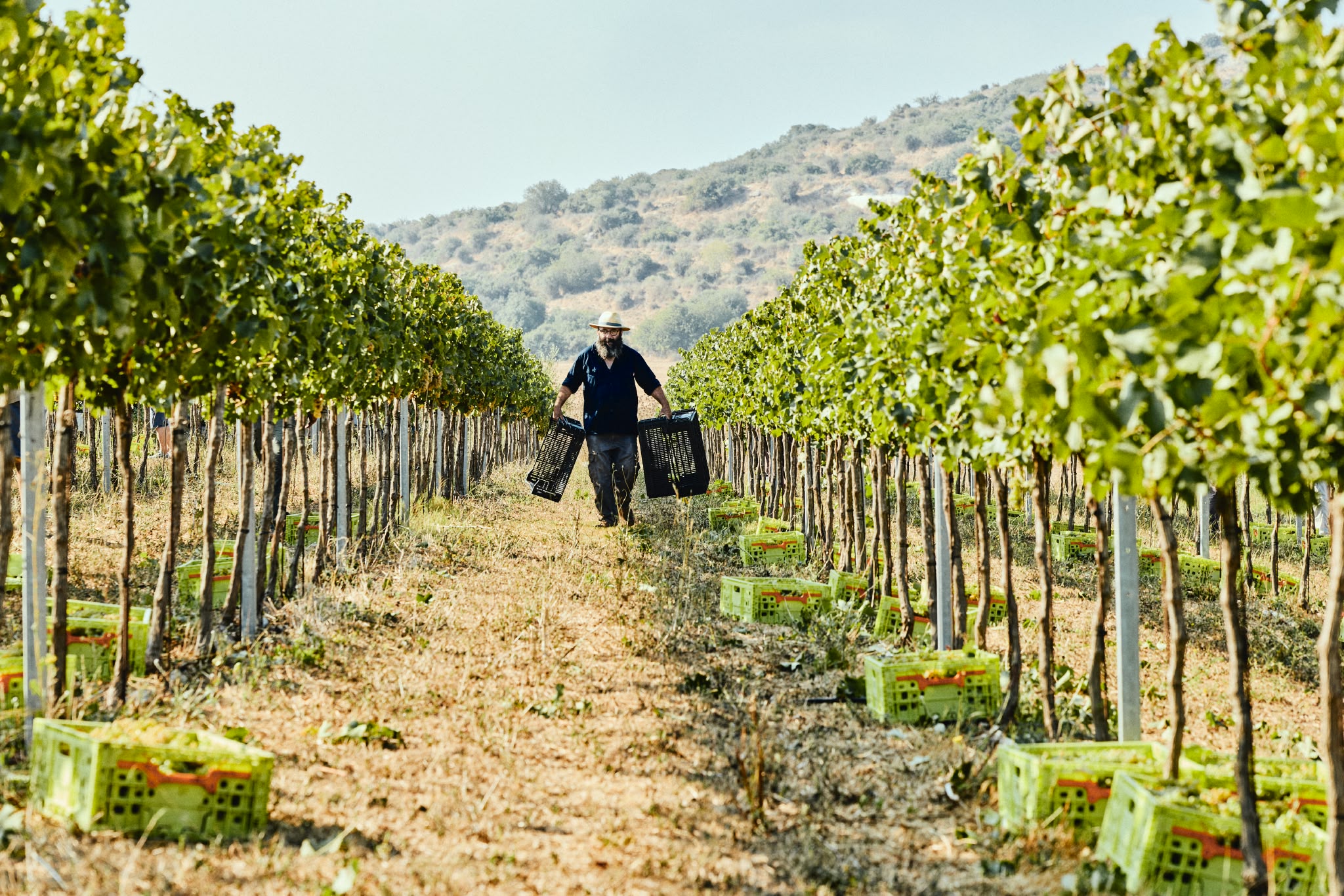
As for the Golan Heights Winery, they diversified considerably, but continued to keep Cabernet Sauvignon fairly central to their operations. Their Yarden and Gamla Cabs, and Mount Hermon Red blend, became regarded as the best quality at their respective price points. It was understood that Cabernet Sauvignon is a variety that needs high elevation, and still today it is thought that the Upper Golan is one of the best terroirs in Israel for this most noble of grapes. The Upper Golan Region is defined by the Northern Golan and the Central Eastern Golan at elevations of more than 500 meters above sea level.
Along the way, the Golan Heights Winery grew, developed and enlarged the range. They launched new prestige wines. Firstly, and most notably, was the launch of the Yarden Katzrin 1990. This was a Bordeaux style blend, though it was based on Cabernet Sauvignon. It became the most rare and expensive wine in the country. The first branded single vineyard wine, Yarden El Rom Vineyard Cabernet Sauvignon 2001, was another pioneering wine.
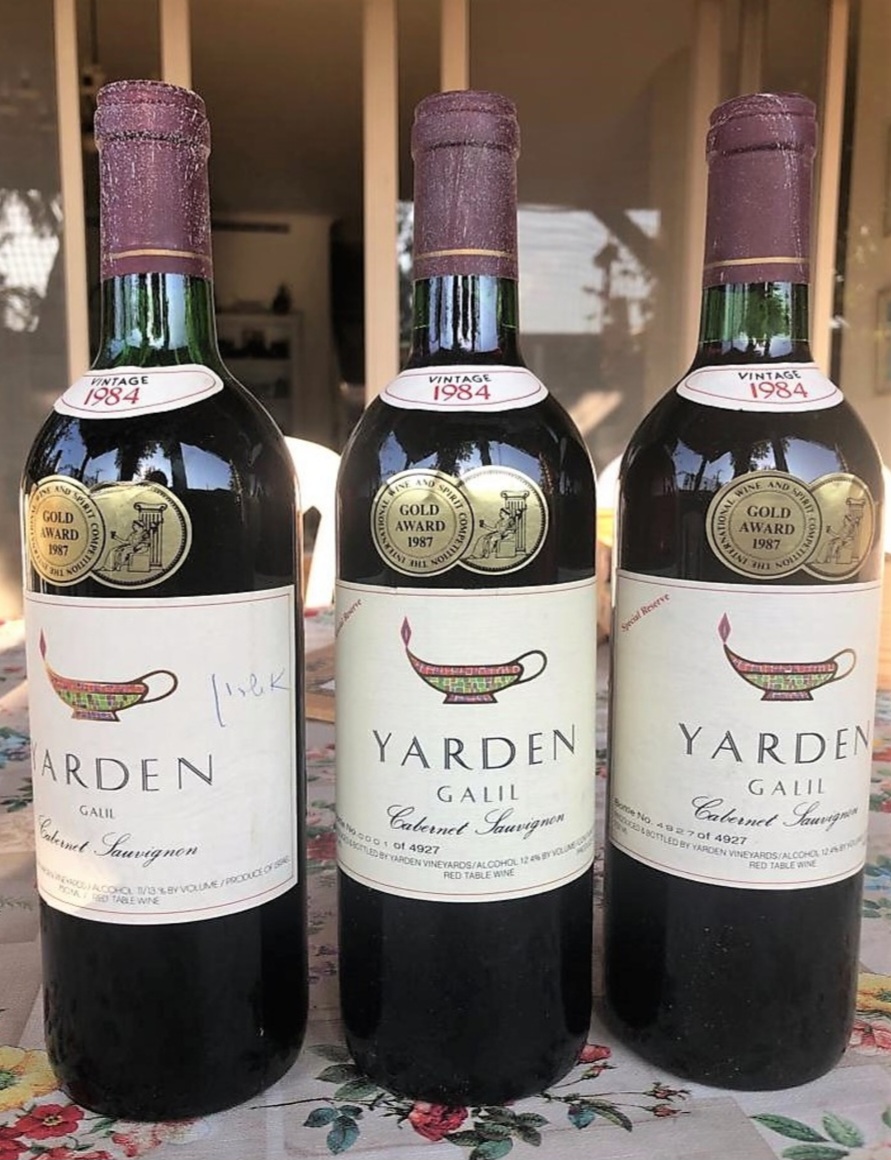
Though the Katzrin, Rom and the Yarden Single Vineyard wines are undoubtedly the prestige wines of the winery, the true flagship wine from 1983 until now, is and has always been, the Yarden Cabernet Sauvignon. It seems to symbolize and represent the winery more completely than any other wine in their large portfolio. It is far easier to produce 10,000 bottles of a top-quality wine than a wine of a few hundred thousand bottles. Yet the Yarden Cab has been a rock of quality and consistency over four different decades.
The Golan Heights Winery is the master of managing over 520 different blocks in its vineyards. Each block can in theory be managed separately, harvested on separate days, fermented separately and aged independently before tasting and blending. It is a most impressive example of cutting-edge viticulture and ‘hands on’ boutique winemaking, but on a very large scale.
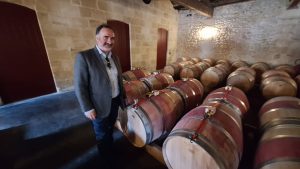
Victor Schoenfeld has been 35 years at the winery. He joined in 1991, became head winemaker in 1992 and must be one of the longest serving winemakers in Israel. He works his magic with his team, building a mosaic of different Cabs from different plots. Blending is like completing a large jigsaw puzzle each year from scratch. Each block and then each barrel are meticulously tasted during the winemaking process.
The Yarden Cabernet Sauvignon is made up from no less than 70 blocks in thirteen different vineyards in the Upper Golan. The wine is normally aged in small French oak barrels for 18 months The winery has over 14,000 barrels which is in itself a massive investment in quality. The goal is to achieve the gold standard of a final wine, which they achieve again and again. Schoenfeld says “it is the most important wine we make.” It is a fact they never make enough. The wine has to be rationed and allocated. This despite the fact that he once was quoted on a podcast saying that production was 200,000 bottles a year. I have no idea if this is the reality today, but consider how many small and boutique wineries produce less than this annually.
Having won the major awards in England, France, Italy, Germany and America, Yarden Cabernet Sauvignon continues to be Israel’s most awarded wine. Just to bring the story up to date, in 2025 for example it earned the Critics Award from the Wine Spectator and was poured at the New York Experience. The Yarden Cabernet Sauvignon 2021 was also awarded with the Platinum Medal at the Decanter World Wine Awards in London and given 97 points, equaling the highest score for an Israeli wine in the competition. The New York Wine Experience is the most exclusive wine event of the year and Decanter WWA is the world’s largest and most important wine tasting competition. So Yarden Cabernet Sauvignon is still on top of its game.
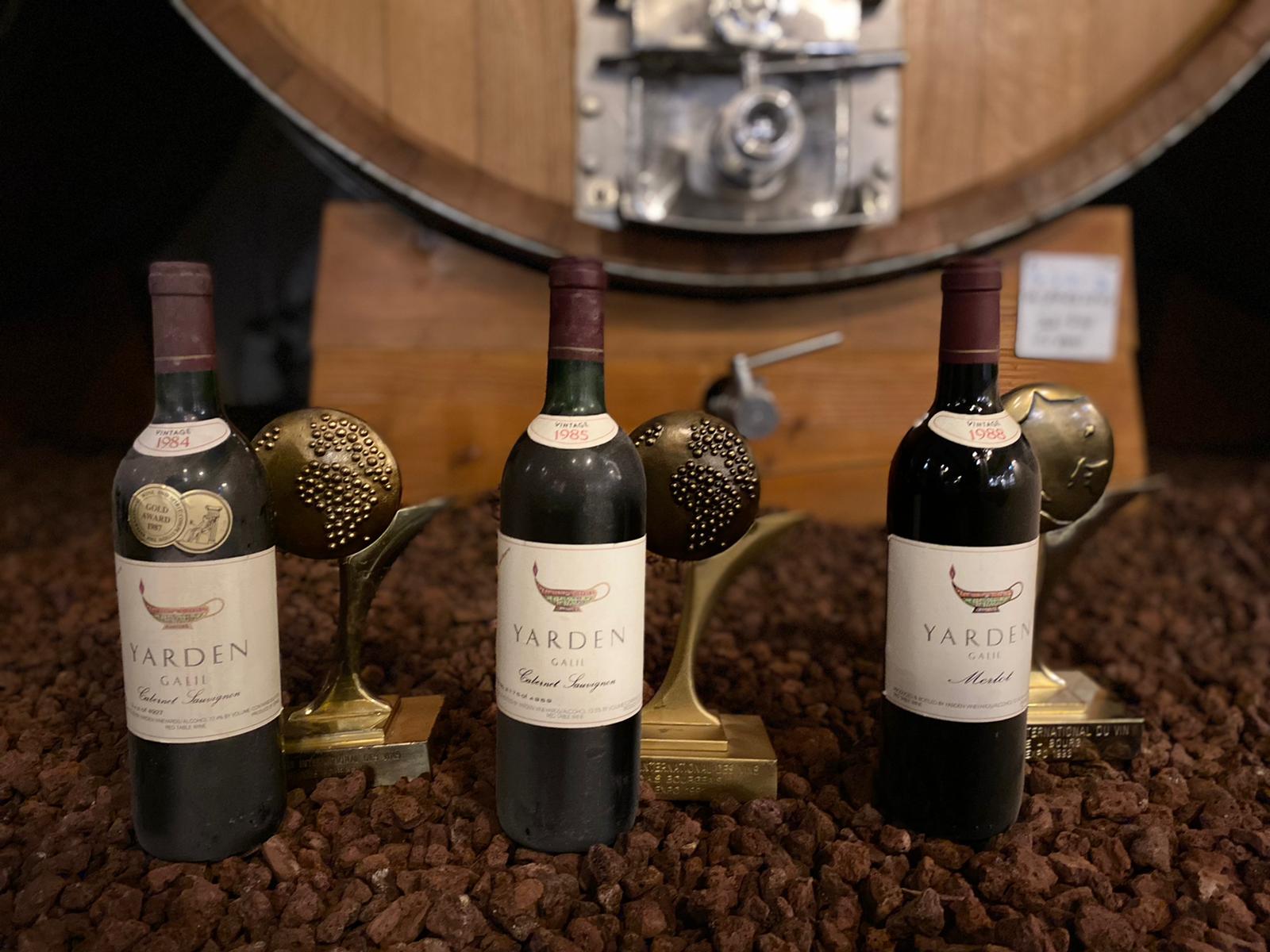
Furthermore, Yarden Cabernet Sauvignon is proven to be a good wine to cellar. Over the years I have tasted wines of twenty five years, even up to thirty years old. Though obviously in decline, they still held up. This was once considered inconceivable for an Israeli red. If you want to invest in wines for future Bar Mitzvahs or to open at children’s weddings, the Yarden Cab is as good a bet as any.
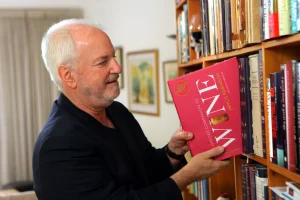
My association with the Golan Heights Winery began as a trade customer in Britain in 1986. It was the aforementioned Peter Hallgarten who introduced me to Israeli wines. I was the wine buyer for a large hotel chain and put Yarden, Gamla and Golan wines on the corporate wine lists. When I moved to Israel I worked for Golan Heights Winery for 11 years, then in turn became firstly a competitor, then a wine critic, a consultant and most recently, the biographer of the winery. I have viewed the progress of the winery from all these differing standpoints. It all helped when I wrote the winery’s story. My book “Golan Heights Winery: Forty years of Quality, Innovation and Authenticity” won the “Gourmand Award for Best World of Wine Book of the Year” in 2025. (Known as the Oscars of cookery and wine books.)
The first Yarden Cabernet Sauvignon I met was the iconic 1984. However, it was the Yarden Cabernet Sauvignon 1985 which really blew my mind. This was my real introduction to Israeli wines. For me it was a revelation. I could not believe Israel produced wine of this quality. I was in the British wine trade at the time and felt excitement at the winery which was termed “a rising star of the wine world.” For many years after, I looked back at that 1985 as a watershed in my Israeli wine education.
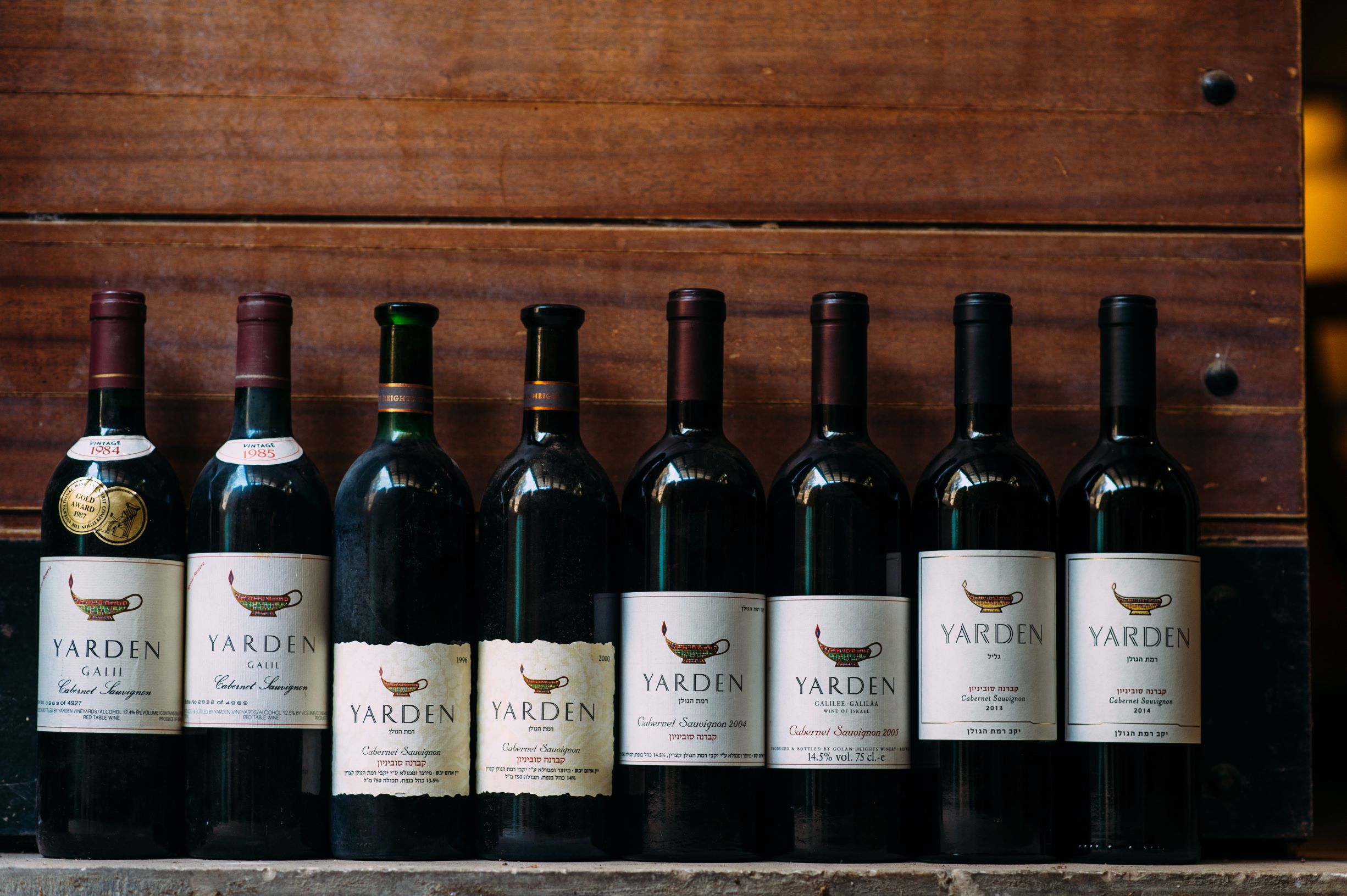
I have had many personal memories with Yarden Cabernet Sauvignon. Perhaps the best was when the Golan Heights Winery was the first Israeli winery to be invited to the New York Wine Experience in 1999. I was privileged to be the first Israeli representing Israeli wine at this prestigious event. We poured the Yarden Cabernet Sauvignon 1996.
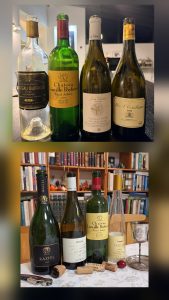
I even had a rare bottle of the Yarden Cabernet Sauvignon 1983 which we opened on 2023, on my son David’s 40th birthday. I kept the empty bottle on display. That was until, in a rare moment of housekeeping zeal, I knocked it with a broom handle and the bottle broke. I have not yet given myself permission to throw away the broken pieces.
What is special about Yarden Cabernet Sauvignon? It has a combination of power and depth, good structure yet velvety smoothness, and it finishes with a kind of New World elegance. It also has an attractive drinkability. During a meal it slips down imperceptibly, almost while you don’t notice. It is a wine that never lets you down, never disappoints in a blind tasting and actually represents good value, even at its new price of 150 shekels a bottle.
Above it in the quality stakes are the single vineyard wines from the winery’s grand cru vineyards like El Rom, Bar’on and Allone Habashan. They retail for about NIS 220. Talking value, you then have the always excellent Gamla Cabernet Sauvignon at say NIS 65, which gives an unbeatable QPR.
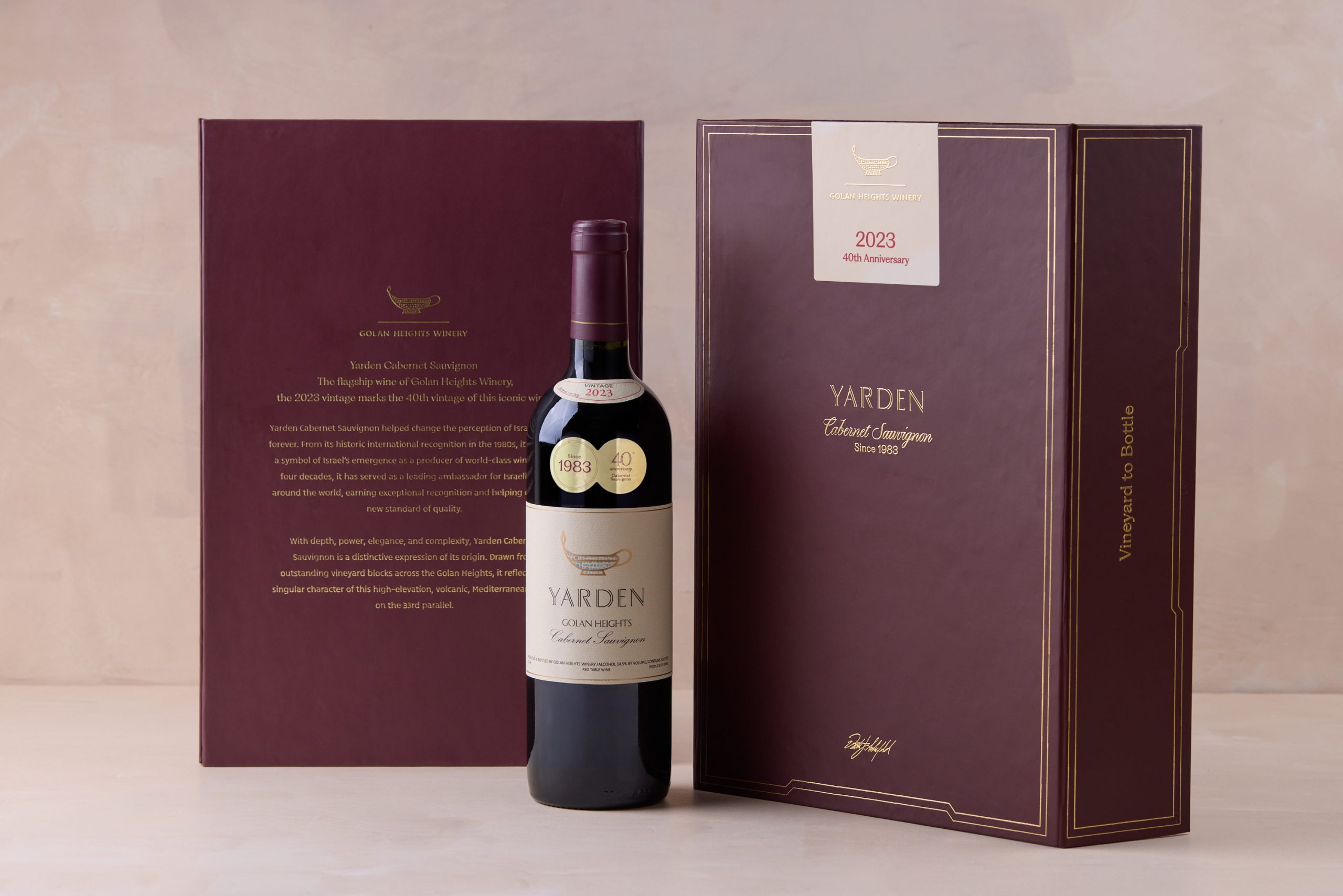
The Yarden Cabernet Sauvignon 2023 has just been released. In honor of the 40th anniversary, the winery also launched an attractively packaged limited-edition wine in a beautiful gift box. The bottle is dressed to look like that first Yarden Cab. A mere 2,301 bottles of Yarden Cabernet Sauvignon 40th Anniversary Special Edition 2023 have been produced from eight specially selected barrels. This wine costs NIS 1,458 and is available from the winery visitors’ center. It will certainly be of interest for collectors I should think! Part of the proceeds will go to the Kaima Hakuk Farm, which specializes in sustainability. Like the winery, they protect the land and support the community.
The launch was at an impressive event presided over by Yoram Avigad, the CEO of Golan Heights Winery and Galil Mountain Winery, Sarit Cohen, VP Marketing and Victor Schoenfeld, Director of Winemaking. They are the triumvirate steering the Golan Heights Winery through its fifth decade.
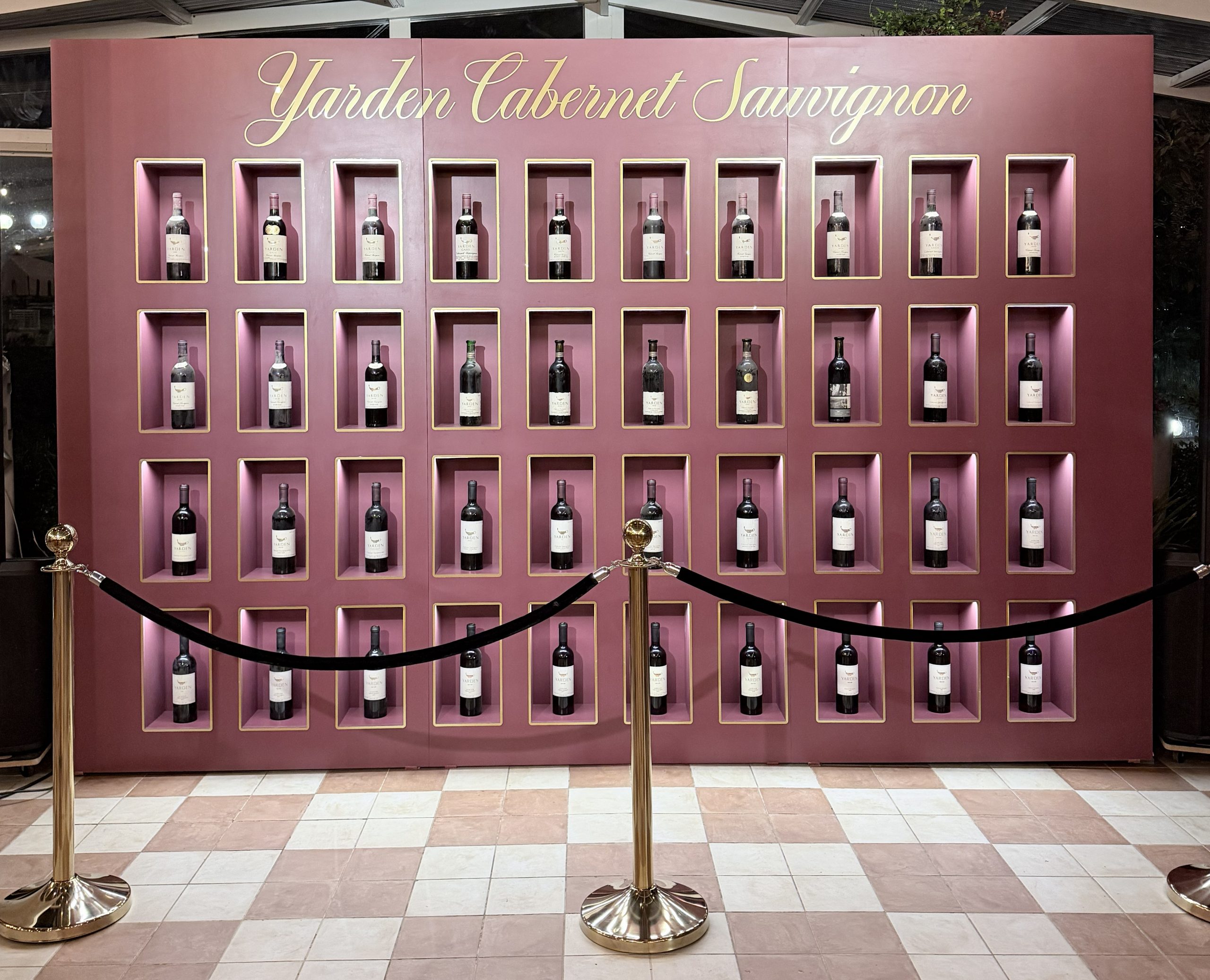
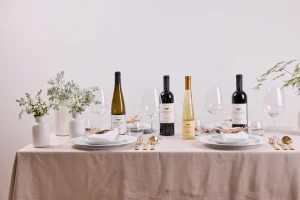
At the celebratory event, Yarden Blanc de Blancs 2018 was the aperitif and the Yarden Sauvignon Blanc 2025 matched the first courses. The Yarden Cabernet Sauvignon 2023 was pre-poured into glasses, giving it time to open up. We were then flattered with the Yarden El Rom Cabernet Sauvignon 2020, Yarden Bar’on Cabernet Sauvignon 2020 and Yarden Allone Habashan Cabernet Sauvignon 2020, with nuanced differences, but all clearly wines of class and distinction. This was by followed by Yarden Cabernet Sauvignons from the 2001, 2002 and 2003 vintages, which were drinking superbly. Just in case we were not satisfied, we were also served a five liter jeroboam of Yarden Cabernet Sauvignon 2019. My overriding impression was that the Golan Heights Winery really are the Kings of Cabernet. We finished with the Yarden HeightsWine 2021. It was an impressive demonstration of quality, consistency and longevity.
Yarden Cabernet Sauvignon remains arguably the most recognized Israeli wine around the world. It is a wine that tells our story, including the success of the Golan Heights Winery and the development of Israeli wine. After forty years of success, it remains Israel’s number one wine ambassador.
Adam Montefiore is a wine trade veteran and winery insider turned wine writer, who has advanced Israeli wines over four decades. He is referred to as the English voice of Israeli wine and is the Wine Writer of the Jerusalem Post. www.adammontefiore.com