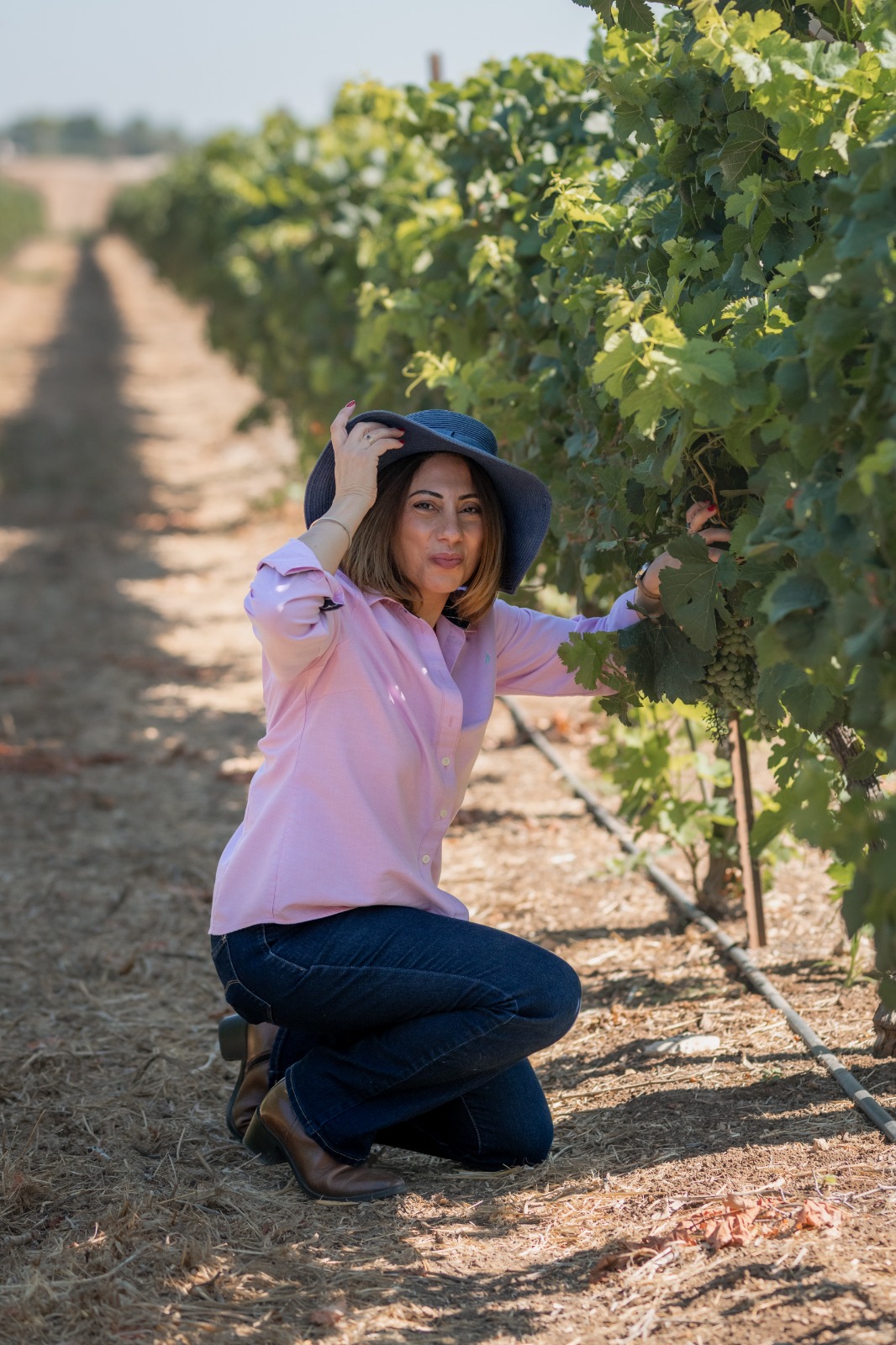
There are some unsung heroes fighting to support Israeli wine, without flags and whistles, far from the gaze of wine folk. Ilanit Tzemach is such a person. She is a fighter for small wineries, with the knowledge and experience to make a difference. She knows who to nudge, who to schmooze and who to shout out. And she has spectacular achievements to her name.
Her background was originally in communications, PR, events and tourism. Then she became infatuated with wine. She chose to work with a grower to learn about vineyards and their management. She even had experience with a bigger winery soaking up knowledge from the winery agronomist. She completed a vineyard management course at the Soreq Winery Winemaking School. Then she became in charge of the development of Nachshon Winery. Here she used her experience in PR, tourism and events to create activity and interest from nothing.
Her next project was creating and developing a retail space for selling wines of the region. She became a focal sales point for the regional wines of the Judean Foothills and Judean Hills. She completed her basic wine experience by making a couple of barrels of Cabernet Franc, her favorite variety, with Shuki Yashuv, founder of Agur Winery. Therefore she has scratched the surface of wine from every angle.
Next, she gave her expertise in developing the region of Judea. At the time this involved rallying together say thirty wineries to share and implement joint plans for advancing the region. This was a job that combined marketing, organization, public relations and tourism. She then marketed a small group of wineries in the Judean Foothills. She became the wine queen of Judea.
Now, already for over twenty years, she has been active in strategic and business development, statutory planning, regulation, tourism, and economic development within rural areas. For about a decade, she focused on developing rural tourism and promoting entrepreneurship, working alongside regional councils, the Moshavim Movement, the Ministry of Tourism, various funds, and private entities. Her core expertise lies in the intersection of public policy, planning, regulation, and business development. She specializes in leading complex ventures and processes involving government ministries, public authorities, entrepreneurs, and other professional stakeholders.
Israeli wine is an entity dominated by the power and influence of the large wineries. There are four monster wineries that take something like 75% of the Israeli wine industry. These are Carmel, Barkan, Teperberg and Golan Heights, and each winery produces over 5 million bottles a year. They are pretty large by any criteria. Then there are a further seven wineries producing more than million bottles a year. These are Zion, Binyamina, Arza – Hayotzer, Jerusalem Vineyard Winery, Recanati, Tabor and Dalton. These eleven wineries account for most of the production in Israel. All the small wineries, and there are hundreds of them, fit into the remainder. When the new Food Law was published, it seemed to be geared to the large, commercial winery. How can you compare a wine factory producing millions of bottles a year, with a boutique winery (less than 100,000 bottles) or micro winery (less than 10,000 bottles annually)? The problems of the small and tiny wineries were not referenced at all. Tzemach immediately understood what most had ignored. It suddenly occurred to her that if implemented, many wineries would simply be forced to close.
So, Tzemach a person of action not talk, decided to get involved. Her first campaign was to support boutique wineries. She initiated an effort to bring together approximately 100 wineries. She sought their support and agreement to represent them in the Knesset, advocating for regulatory relief for boutique wineries. Tzemach took upon herself to learn the material, to turn up to committees and represent those hundreds of wineries that were invisible to the authorities and powers that be. She was prepared to shout, bang on tables and fought like a lioness to represent the unrepresented. Why did you do it I asked? She said she could not stand the injustice of it all.
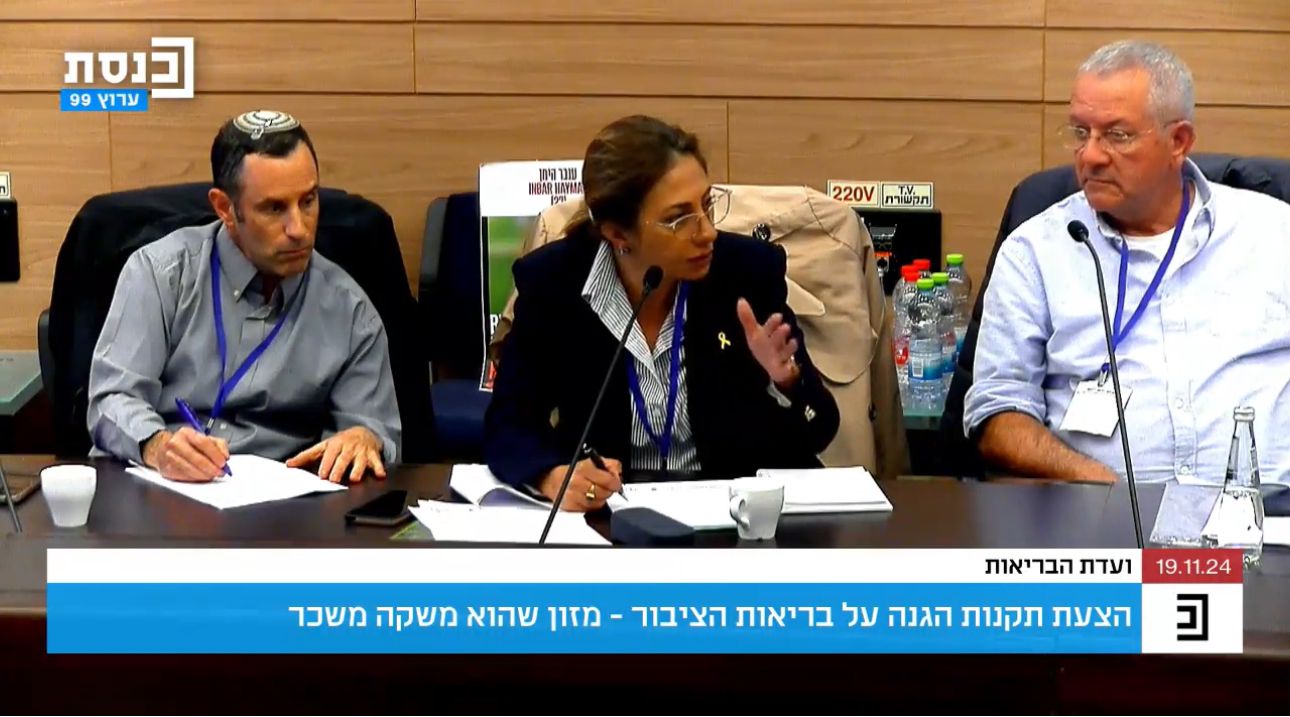
She was not a representative of any government body, nor was she appointed to this role. Having identified a fundamental problem that threatened the continued operation of many wineries, she decided to take action to address it. A critical aspect of this work involved engaging and enlisting the relevant entities: the Ministry of Agriculture, the Wine & Grapes Council, the Ministry of Health, the Ministry of Tourism, the Government Appraiser, the Israel Land Authority, and, of course, local government authorities.
Each of these entities possessed distinct areas of authority, interests, and constraints. The challenge lay in fostering cooperation among all these parties and formulating solutions that would safeguard public health while remaining aligned with the economic and operational realities faced by small wineries. In 2018, the first significant achievement was reached: the Ministry of Health published a procedure titled “Guidelines – Flexibility in Requirements for Small Wineries.”
This was an important document that shifted the approach toward boutique wineries, explicitly recognizing—for the first time—the need to tailor regulatory requirements to their specific characteristics. The intent was not to grant an exemption from food safety standards, but rather to acknowledge that the same public health objectives could be achieved through solutions tailored to the scale and nature of the winery.
In 2024, ahead of the entry into force of new regulations concerning alcoholic beverages, she was once again called upon to engage in a significant campaign. This time, she worked alongside Mateh Yehuda Regional Council, in collaboration with the Moshavs Movement, the Wine & Vine Council, the Ministry of Health, and the Ministry of Agriculture. The objective was to prevent a scenario where regulatory requirements would impose such a heavy burden on small wineries that their very ability to continue operating would be compromised.
The campaign concluded with another major achievement: under the regulations approved by the Knesset Health Committee in November 2024, a distinction was established—for the first time—between a “boutique winery” and a “micro-winery.”
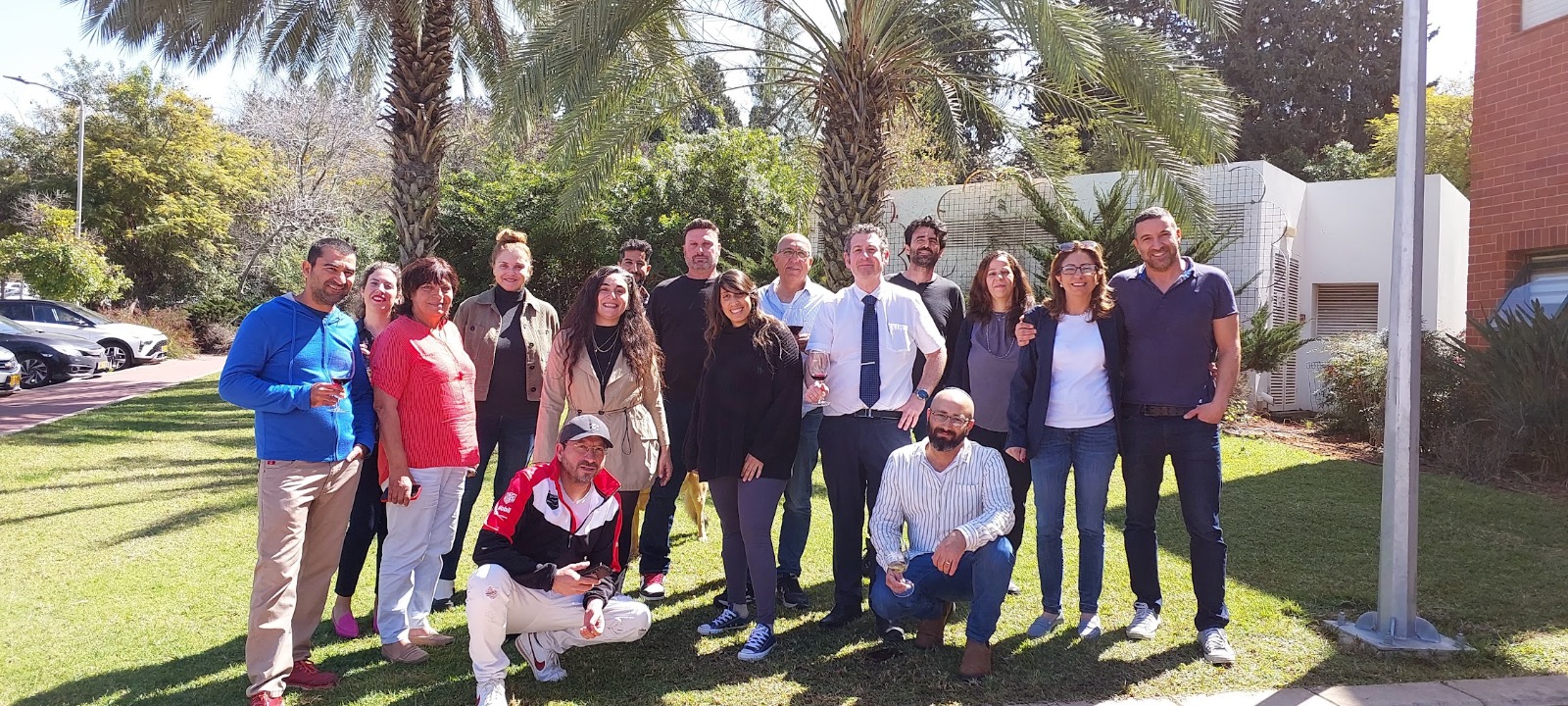
Furthermore, transitional provisions were approved, allowing micro-wineries—as well as wineries currently undergoing a formalization/licensing process—to continue operating under certain conditions and for a defined period, even in the absence of a valid production license.
The significance of this achievement lies not only in the specific relief measures granted, but also in the formal recognition that the state must distinguish between producers of different scales and create proportionate regulatory pathways for each. Both of these campaigns were joint efforts, and she deeply appreciates the partners who assisted her.
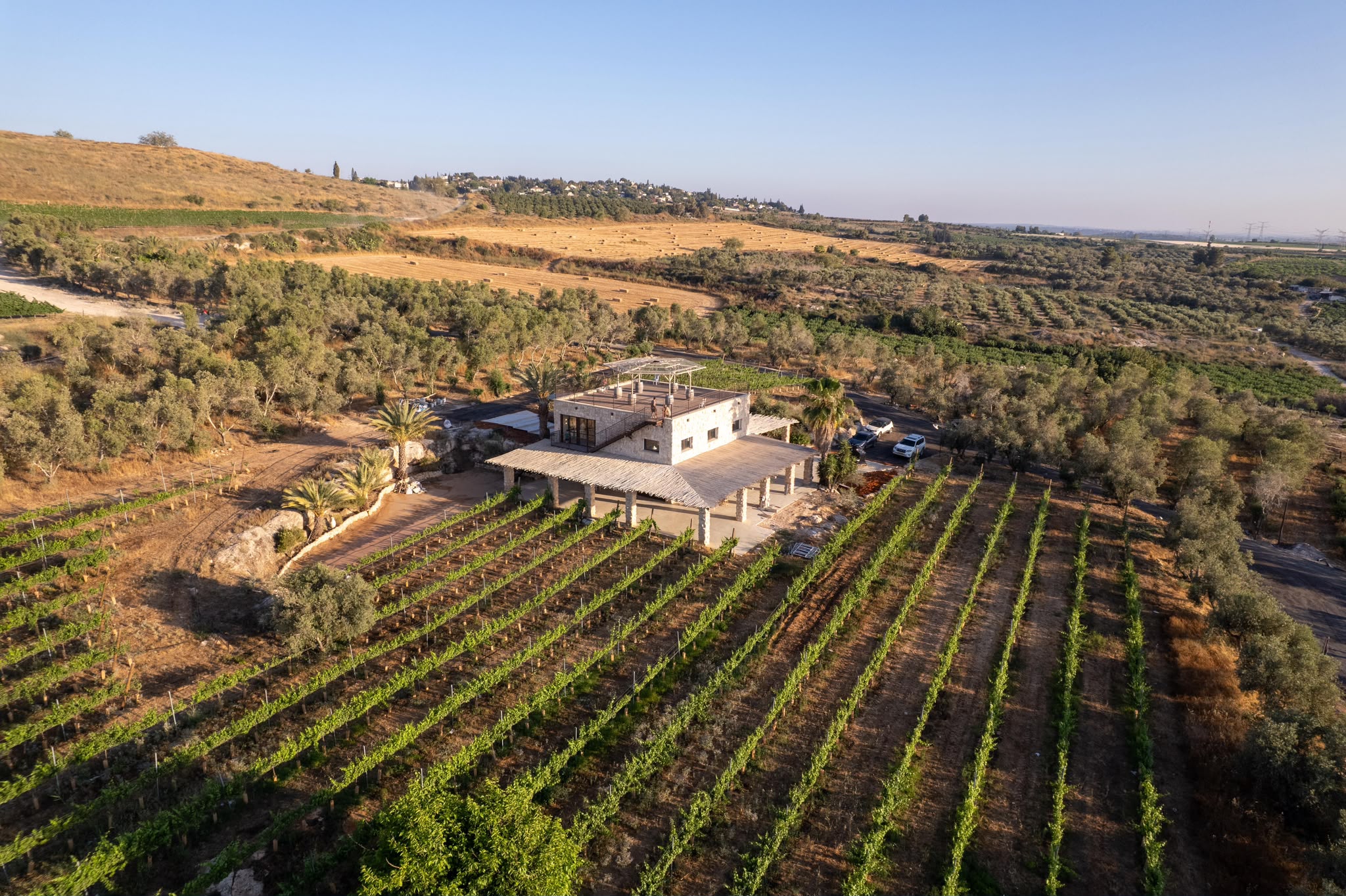
Another success was the positioning of wineries in rural villages. Israeli wine is working with its hands tied behind their backs. We live with the absurdity that wine is considered industry and fruit, agriculture. So, a farmer picking fruit sending it to a packing house and onward for distribution is considered agriculture and the winemaker picking fruit, sending it to a winery before onward distribution in a bottle, is considered industry. The result of this is that Israeli wineries had to be situated on industrial estates, when in the rest of the world, the winery is situated by the vineyard. Overseas, the growing, the making, the selling and tourism are in the same charming unit. This benefits everyone. Thankfully, the Ministry of Agriculture at least changed the policy for wineries within villages. In Israel-speak, that means kibbutzes and moshavs. This showed welcome flexibility, and it has proved a lifeline to some, benefitting both the winery and community.
Ilanit Tzemach-does not view myself as someone fighting the system for the sake of the fight itself. Her goal is to understand the system, engage the relevant stakeholders, and find solutions that will enable wineries and agricultural businesses to develop and operate sustainably over the long term.
Despite these achievements, a great deal of work remains. Tzemach says “A winery is not merely a facility for producing wine; in many cases, it is part of a broader ecosystem encompassing agriculture, employment, tourism, and regional development.” Therefore, a policy is needed that addresses the full scope of activity, rather than focusing solely on the production process.
In 2016 Tzemach founded a course for “Establishing and Managing a Boutique Winery.” This was based on the understanding that creating an appropriate regulatory framework is only one side of the equation. The other side involves training winery owners and entrepreneurs, providing them with the professional tools needed to establish and manage a winery as a business.
The course covers planning, licensing, financial management, operations, marketing, business development, wine tourism, and visitors’ centers. The lecturers include government representatives and professionals from the wine industry. To date, thirteen courses have been completed, with approximately 220 graduates.
Together with Sharona Paz-Blogolovsky CEO of Vitkin Winery and Odelia Banai, she founded the Winery Cluster. The concept took shape in 2021, though the non-profit organization was officially approved in 2025. The organization’s objective is to establish a shared framework for boutique wineries, advance their interests, address regulatory challenges, develop wine regions and wine tourism, and generate business opportunities both domestically and internationally. She believes that collective organization is essential for small wineries to have a meaningful voice and to pursue goals that would be difficult to achieve independently.
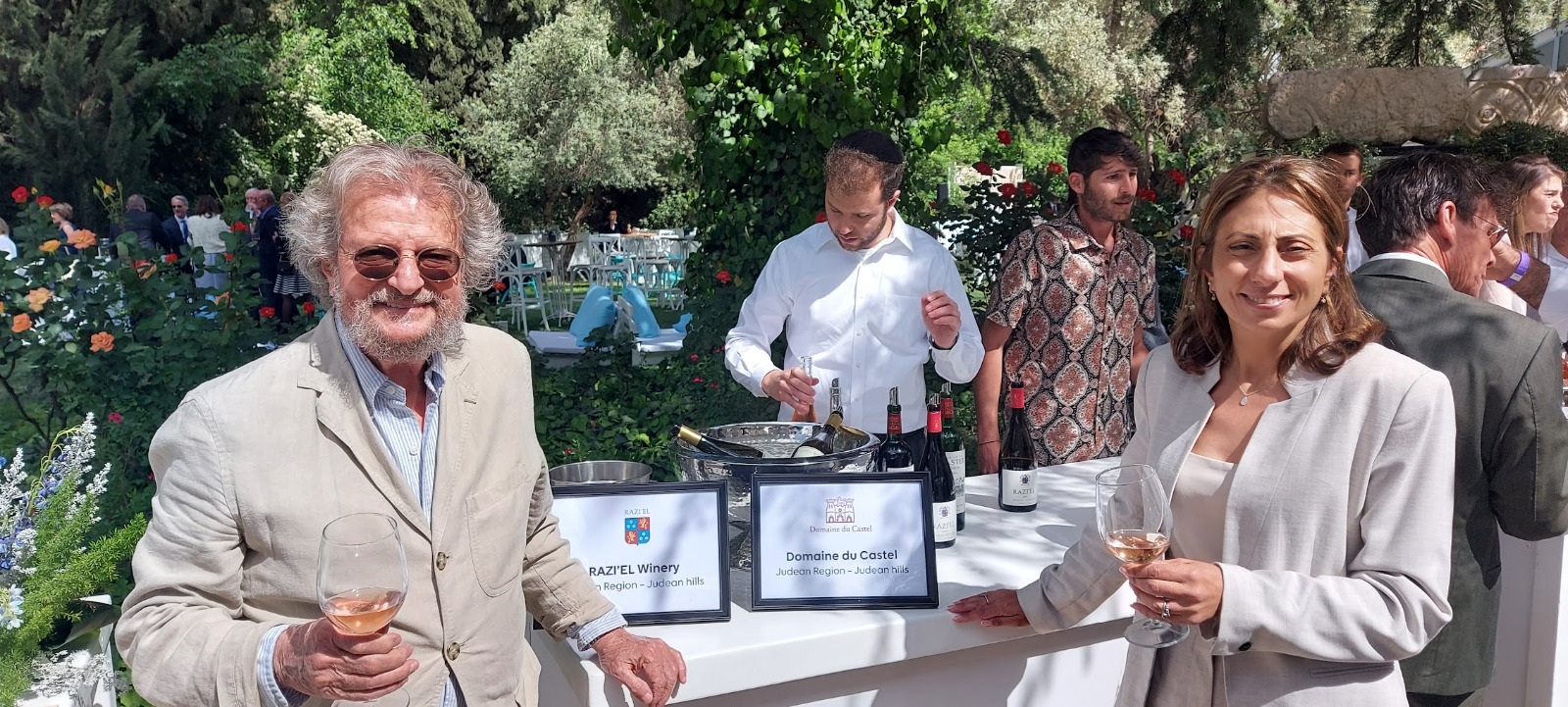
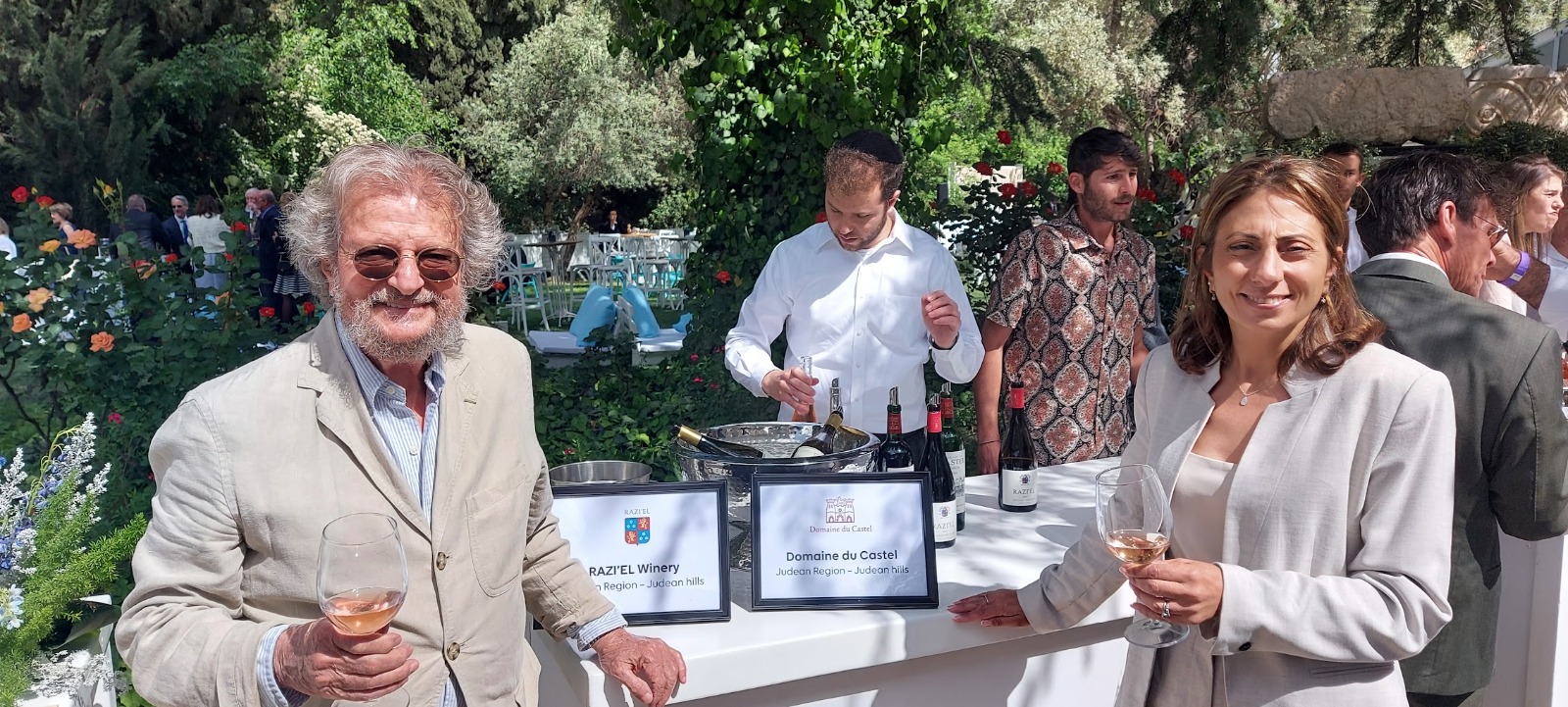
Tzemach’s activities to advance wine are broad and varied. She also worked with the Ministry of Tourism, focussing on the strategic development of wine tourism and wine regions in Israel, the promotion of “wine routes,” and the creation of synergies between government policy, entrepreneurs, and local authorities. More recently, at the Israel Export Institute, she led a project dedicated to the branding and international promotion of Israeli wine, including hosting VIP guests from abroad. On Yom Ha’atzmaut, she arranged an annual wine event at the President’s House, representing about fifteen wineries each time. President Herzog took the time to visit the winery stands. This was another initiative that gave a focus to Israeli wine.
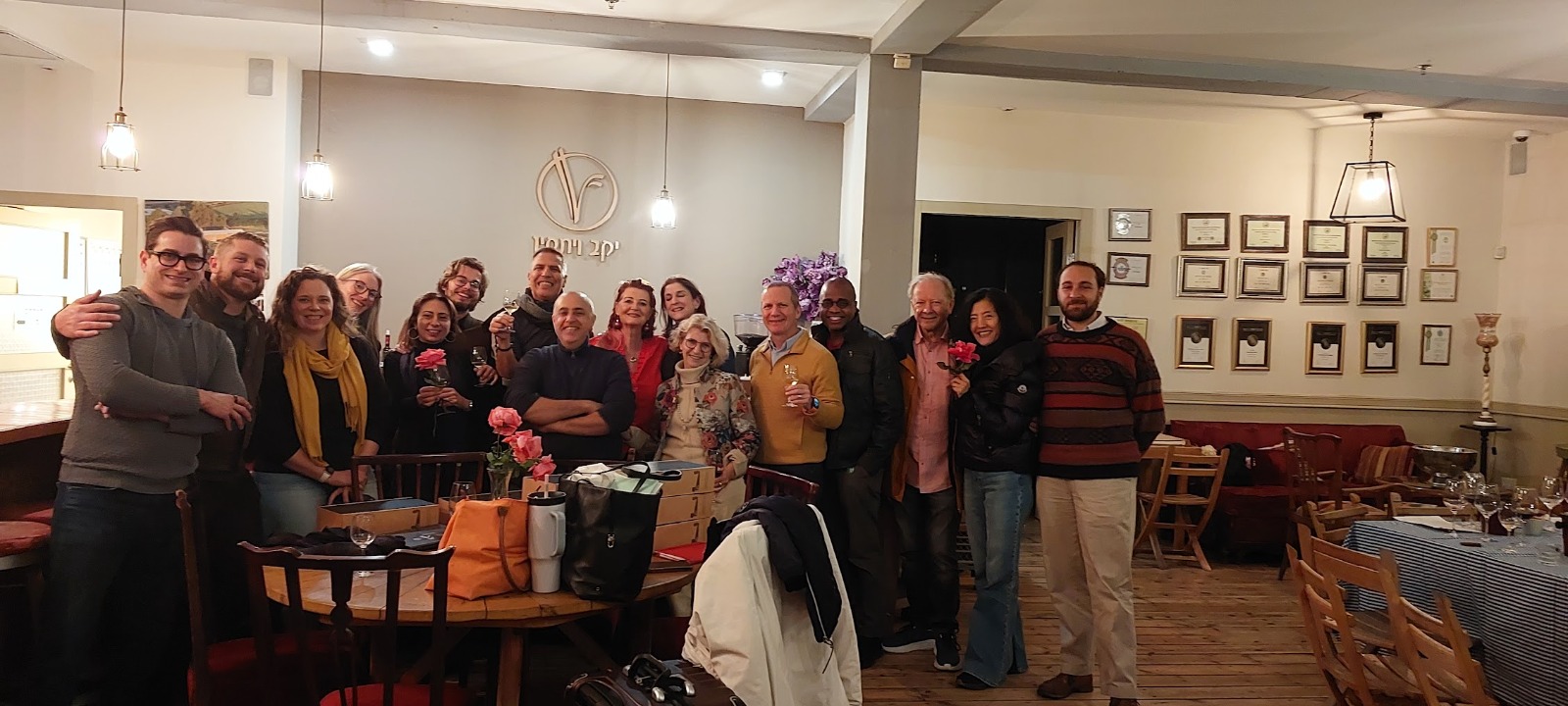
At the end of our discussion, we discussed importers and the on-premise market. Tzemach was frustrated that Israeli wines are squeezed out of restaurants in favor of imported wine. Only in Israel are restaurants happy to select Chateau Something from France instead of an Israeli wine. Go anywhere in the world and the restaurants support their own country’s wines. Here, Israeli wines are becoming scarcer and scarcer by the minute. My answer? I always try and buy Israeli. The message is fly the flag and buy Blue & White when you can.
Ilanit Tzemach has filled a gap that was previously unrepresented. For that we should all be grateful. She says “the system is full of holes. I can’t fill them all by myself, but we are stronger if the wineries work together.” The Wine Lioness does so much to advance Israeli wine, but much of her work is under the radar. But she will not be stopped. She works unceasingly to make a difference. I say to Ilanit, keep on with your activities. Your objectives are essential to us all. We should all be grateful for your determination to push on. Your success, is our success.
Adam Montefiore is a wine trade veteran and winery insider turned wine writer, who has advanced Israeli wines over four decades. He is referred to as the English voice of Israeli wine and is the Wine Writer of the Jerusalem Post. www.adammontefiore.com